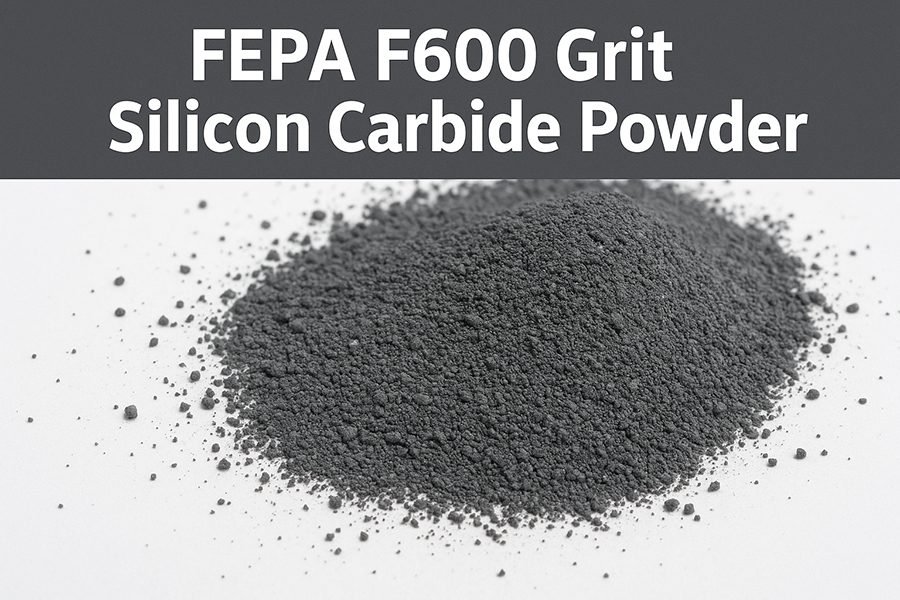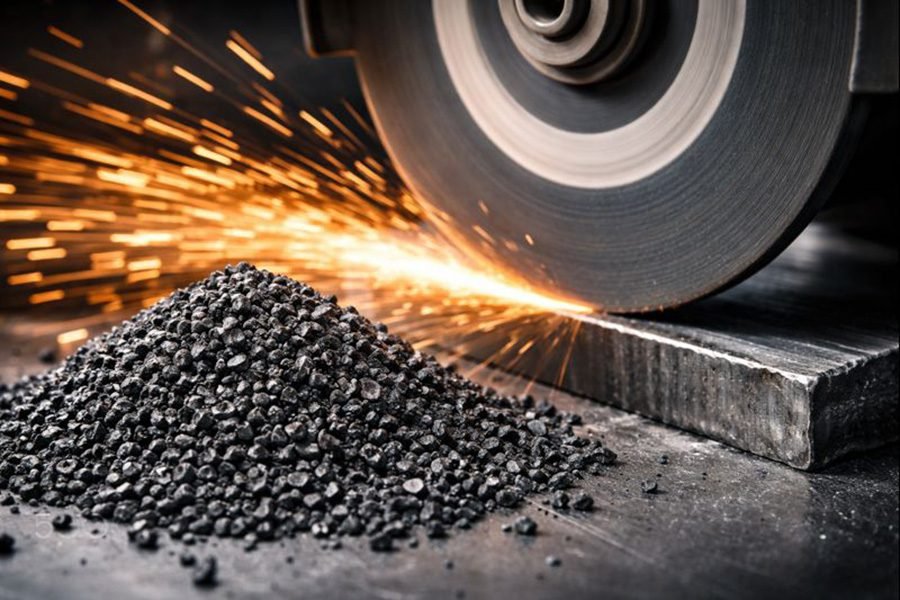
Black Silicon Carbide (Black SiC) is widely used in grinding wheels due to its high hardness, sharp cutting edges, and excellent thermal conductivity. It is especially suitable for grinding cast iron, non-ferrous metals, stone, glass, and refractory materials.
However, despite its advantages, improper selection or usage of black silicon carbide can significantly reduce grinding efficiency, wheel life, and surface finish quality. Below are five common mistakes manufacturers and users often make when using black silicon carbide in grinding wheels—and how to avoid them.
Mistake 1: Choosing the Wrong Grit Size for the Application
One of the most frequent mistakes is selecting an inappropriate grit size.
- Too coarse grit → Causes deep scratches and poor surface finish
- Too fine grit → Low material removal rate and wheel glazing
For rough grinding of cast iron or stone, coarse grits (e.g., F16–F36) are suitable. For finishing operations, finer grits (F80–F120) perform better.
To ensure consistent particle size distribution and stable grinding performance, sourcing from a reliable black silicon carbide manufacturer is critical.
Mistake 2: Using Low-Purity Black Silicon Carbide
Some buyers focus solely on price and overlook chemical purity. Low-purity black silicon carbide often contains excessive free carbon, iron, or other impurities, which can lead to:
- Reduced hardness
- Poor thermal stability
- Increased wheel wear
High-purity black silicon carbide (typically ≥98% SiC) ensures sharper cutting action and longer wheel life, especially in demanding industrial grinding applications.
If you are producing grinding wheels for export markets or high-performance use, selecting industrial-grade black silicon carbide from a stable supplier like https://www.silicon-carbides.com/black-silicon-carbide can significantly improve product consistency.
Mistake 3: Ignoring Bond Compatibility
Black silicon carbide works differently with various bonding systems:
- Vitrified bond → High rigidity, good for precision grinding
- Resin bond → Better shock resistance, suitable for heavy-duty grinding
A common mistake is pairing black silicon carbide with an unsuitable bond, which may result in premature wheel breakage or poor self-sharpening behavior.
Always evaluate cutting pressure, workpiece material, and grinding speed before finalizing the abrasive–bond combination.
Mistake 4: Applying Black Silicon Carbide to the Wrong Materials
Although black silicon carbide is versatile, it is not ideal for every material.
Black SiC performs best on:
- Cast iron
- Aluminum alloys
- Brass and copper
- Glass, ceramics, stone
For hardened steel or alloy steel, brown fused alumina or white fused alumina may be more appropriate. Using black silicon carbide on unsuitable materials can cause excessive wear and unstable grinding performance.
Mistake 5: Overlooking Consistency Between Batches
Grinding wheel manufacturers often test one batch successfully, but later face quality complaints due to inconsistent abrasive supply.
Variations in:
- Particle shape
- Bulk density
- Impurity levels
can all affect wheel balance and grinding behavior.
Partnering with a supplier that offers stable production, strict QC, and batch traceability is essential for long-term grinding wheel quality and customer satisfaction.
Conclusion
Black silicon carbide is a powerful abrasive material—but only when used correctly. By avoiding these five common mistakes, grinding wheel manufacturers and end users can achieve:
- Higher grinding efficiency
- Better surface finish
- Longer wheel service life
If you are looking for industrial-grade black silicon carbide with stable quality and global supply capability, visit https://www.silicon-carbides.com to learn more about product specifications and applications.