

Silicon Carbide Grit Sizes Explained: Split, Macro Grit and Micro Powder
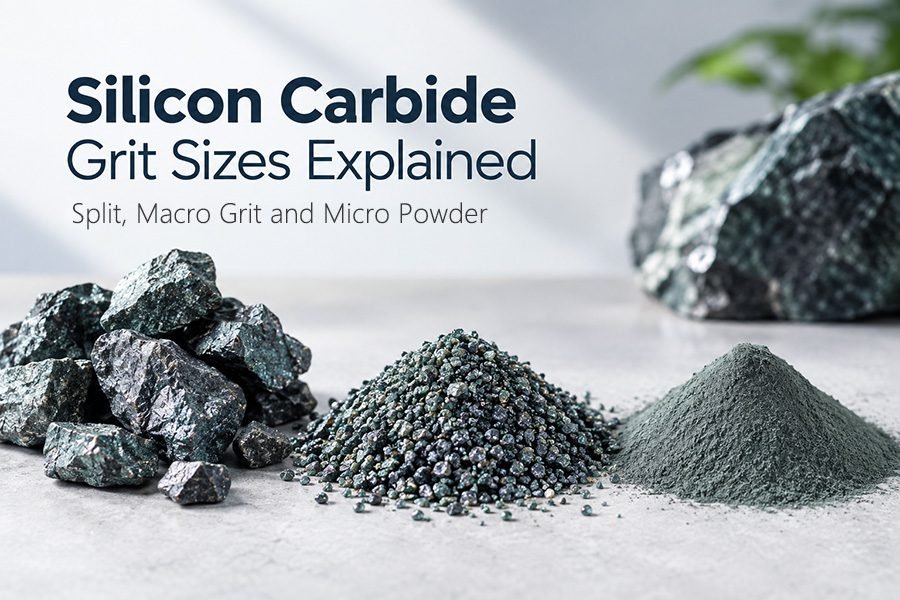
Silicon carbide (SiC) is widely used in abrasives, refractory materials, ceramics, metallurgy, surface treatment, and other industrial applications. However, buyers who are new to silicon carbide often encounter different product descriptions such as SiC Splits, silicon carbide macro grit, and micro powder. What is the difference between them? What particle sizes do they represent? And […]
Is 99% Green Silicon Carbide Always Better?
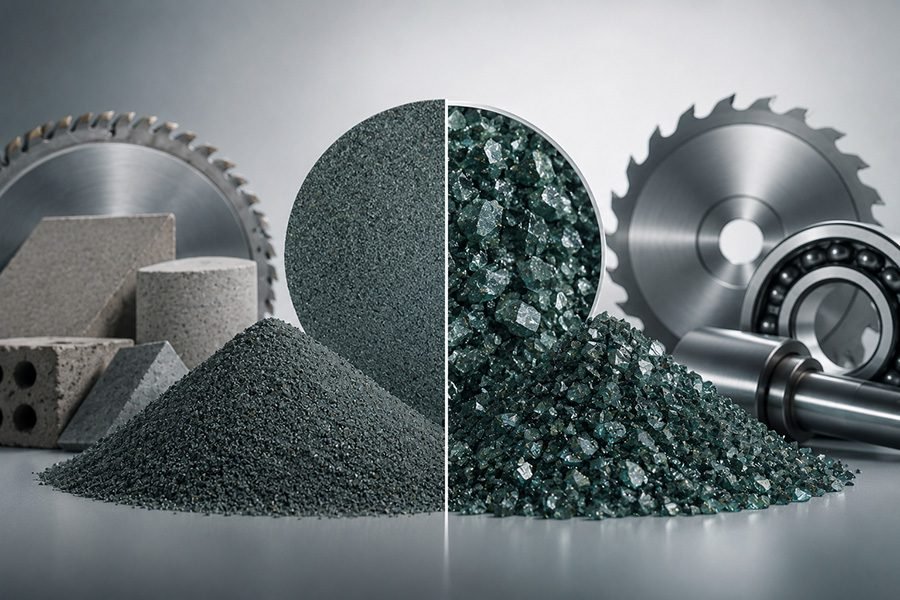
Introduction: The Purity Paradox in Abrasive Selection When shopping for green silicon carbide (GC), many buyers instinctively gravitate toward the highest purity option available—typically 99% SiC content—assuming that “higher purity equals better performance.” But is this assumption always correct? The truth is more nuanced. While 99% green silicon carbide offers exceptional properties for specific high-precision […]
Metallurgical Grade Silicon Carbide: Cut Costs, Improve Steel Quality
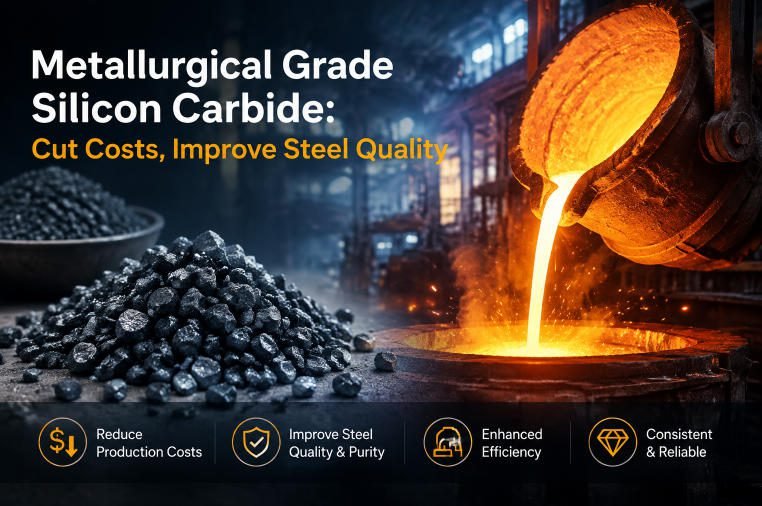
What Is Metallurgical Grade Silicon Carbide? Metallurgical grade silicon carbide (SiC) is a synthetic compound produced by reacting quartz sand with petroleum coke (or anthracite coal) at extremely high temperatures (above 2200°C) in a resistance furnace. Unlike abrasive-grade silicon carbide, which is used for grinding and cutting applications, metallurgical grade SiC has relatively lower purity […]
The Science Behind Abrasive Grain: What Every Manufacturer Should Know
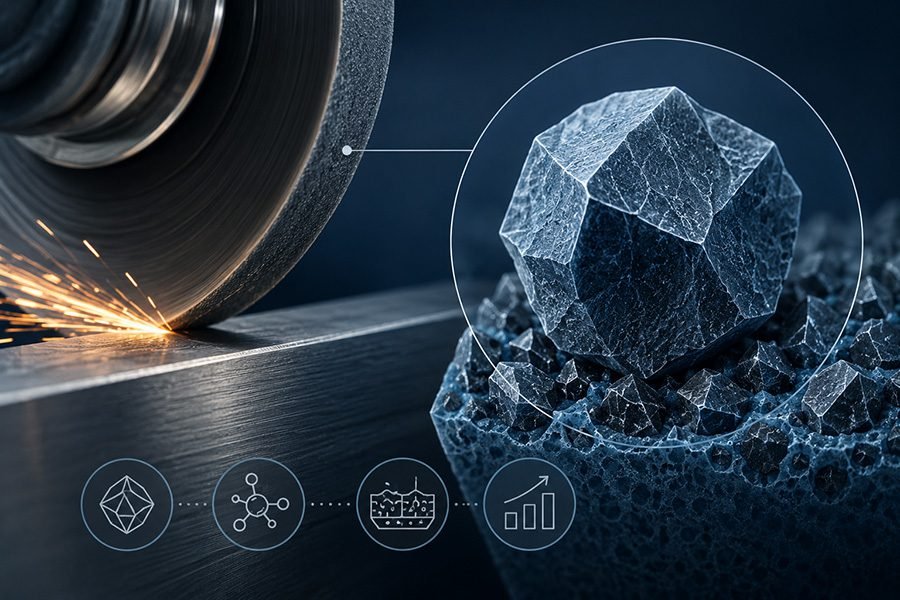
Walk into any precision manufacturing facility and you will find abrasive grain doing quiet, essential work. It shapes turbine blades, polishes optical lenses, sharpens cutting tools, and finishes surfaces that other processes simply cannot reach. Yet despite its ubiquity, abrasive grain is often selected by habit rather than by informed choice — and that habit […]
Applications and Standards of Black SiC in Steel Blasting
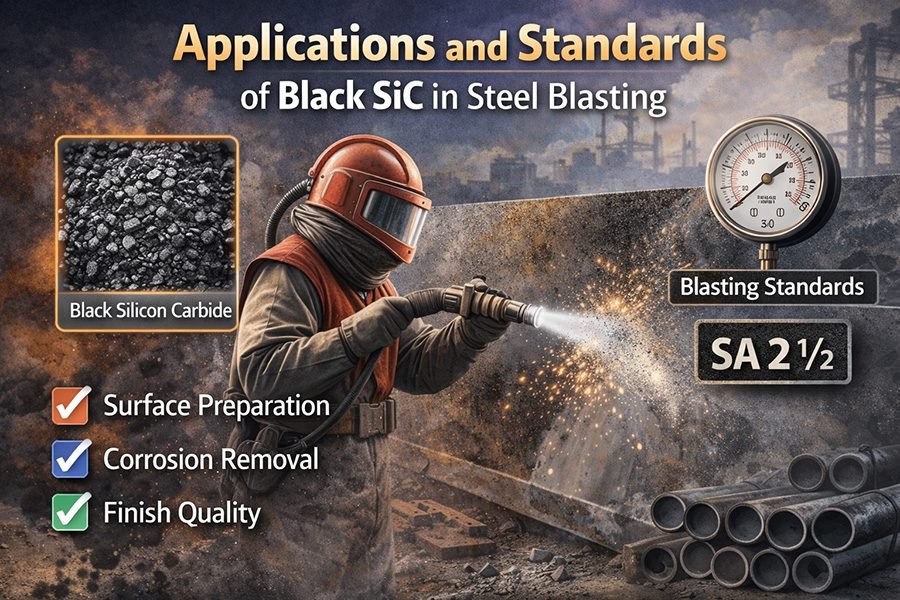
Black silicon carbide (Black SiC) has become one of the most trusted abrasive media in industrial steel surface preparation — combining exceptional hardness, sharp angular geometry, and cost-effectiveness in a single material. This article explores how Black SiC performs in blast cleaning operations, which international standards govern its use, and how to select the right […]
Why Silicon Carbide Is the Material of Choice for Diesel Particulate Filters (DPF) in Vehicle Exhaust Treatment
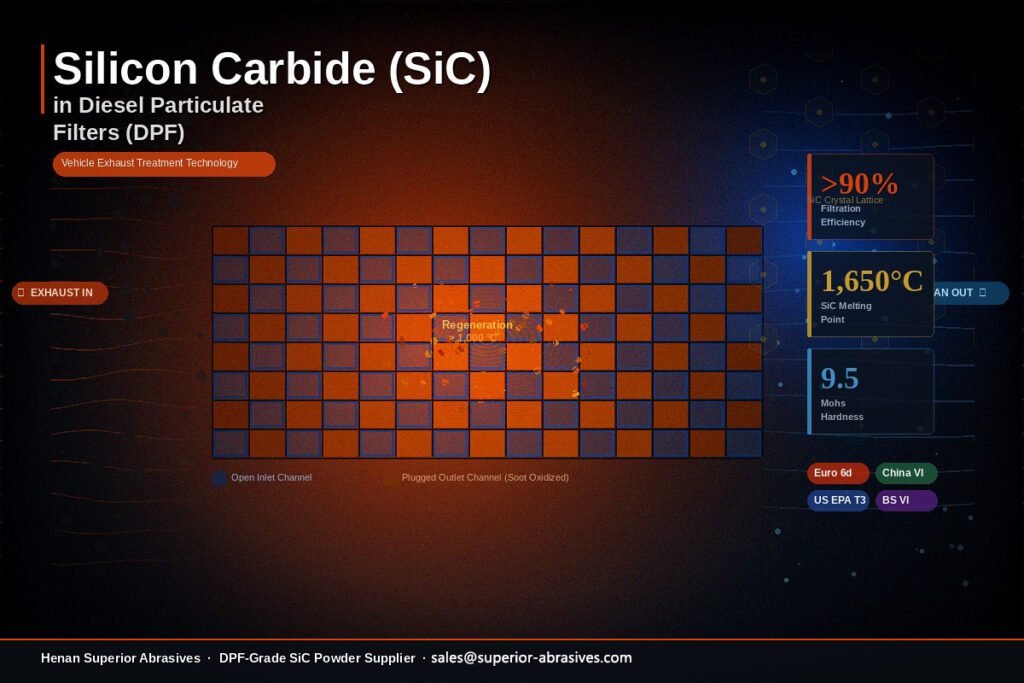
As global emissions regulations tighten from Euro 6 to China VI, the humble Diesel Particulate Filter has become one of the most critical components in modern vehicle design. At its heart lies a single material that makes all of it possible: Silicon Carbide (SiC) — a ceramic that combines extraordinary heat resistance, mechanical durability, and filtration efficiency […]
“Must-Read for Buyers”: A Complete Guide to SiC Grinding Powder Particle Size Selection (F16~F1200)
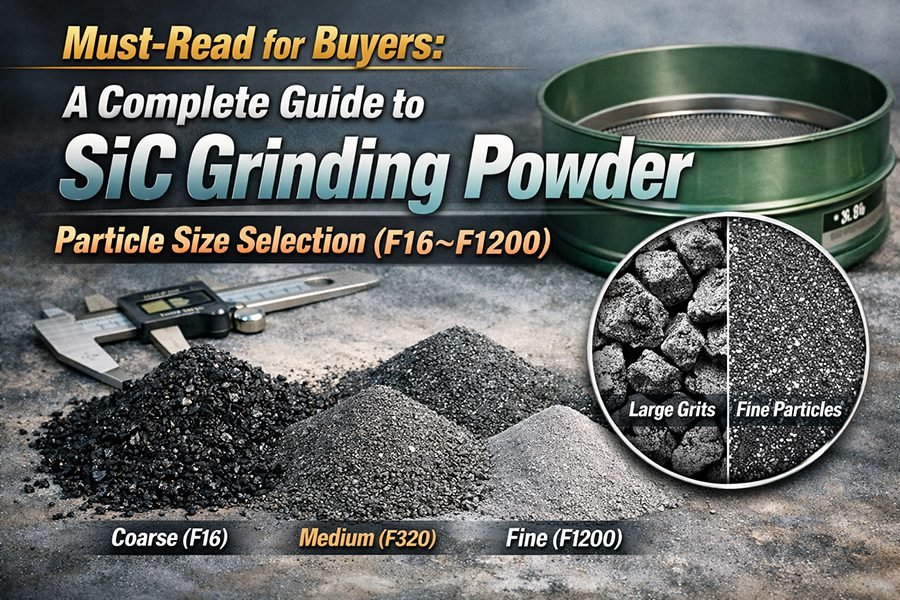
Choosing the wrong grit size for your Silicon Carbide (SiC) grinding powder can mean wasted material, damaged workpieces, or a surface finish that misses specification entirely. This definitive buyer’s guide walks you through every grit grade from F16 to F1200 — what each range is for, how to match it to your process, and how to avoid […]
Black Silicon Carbide for Bonded Abrasives and Coated Abrasives
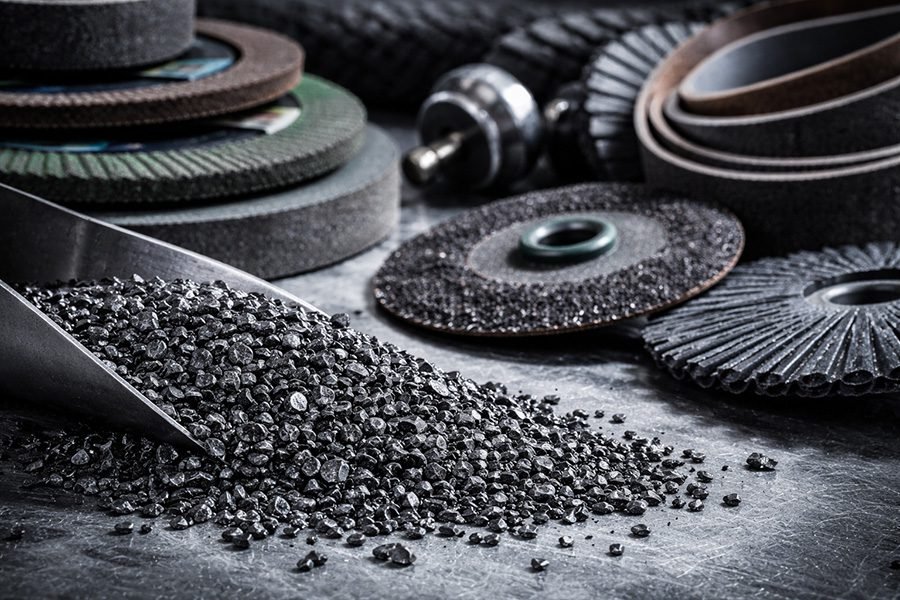
Black Silicon Carbide (Black SiC) is one of the most widely used abrasive materials in the global abrasives industry. Thanks to its high hardness, sharp grain structure, and excellent thermal properties, black silicon carbide plays a critical role in both bonded abrasives and coated abrasives. From grinding wheels and cutting discs to sandpaper and abrasive […]
5 Common Mistakes When Using Black Silicon Carbide in Grinding Wheels
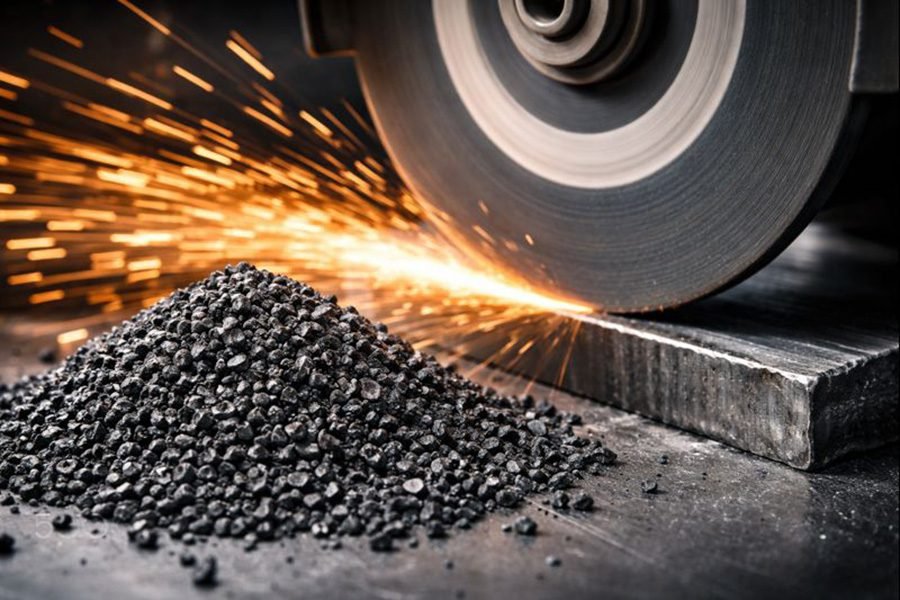
Black Silicon Carbide (Black SiC) is widely used in grinding wheels due to its high hardness, sharp cutting edges, and excellent thermal conductivity. It is especially suitable for grinding cast iron, non-ferrous metals, stone, glass, and refractory materials. However, despite its advantages, improper selection or usage of black silicon carbide can significantly reduce grinding efficiency, […]