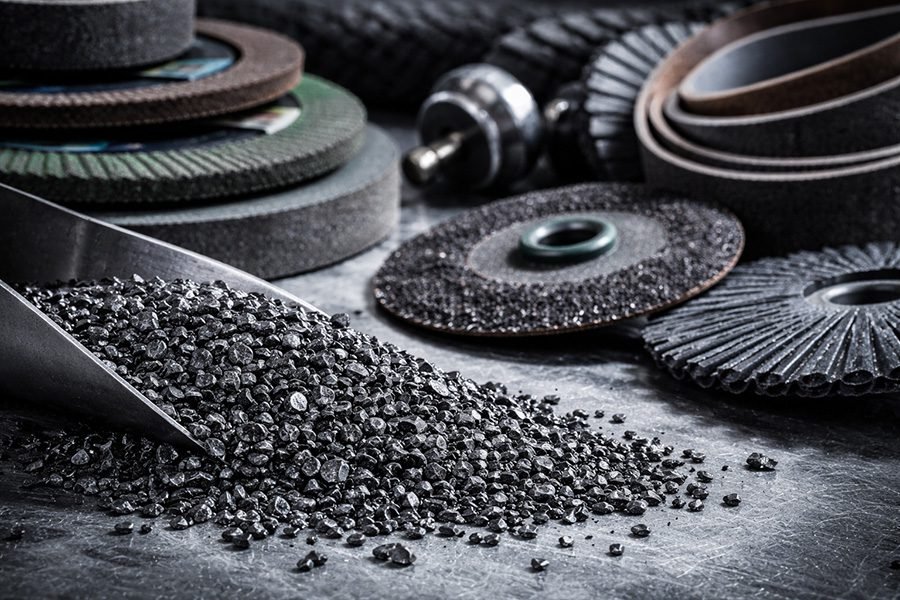
Black Silicon Carbide (Black SiC) is one of the most widely used abrasive materials in the global abrasives industry. Thanks to its high hardness, sharp grain structure, and excellent thermal properties, black silicon carbide plays a critical role in both bonded abrasives and coated abrasives.
From grinding wheels and cutting discs to sandpaper and abrasive belts, black silicon carbide delivers fast cutting performance, consistent surface finishes, and cost-effective processing solutions for a wide range of industrial applications.
What Is Black Silicon Carbide?
Black silicon carbide is a synthetic abrasive produced by reacting high-purity silica sand and petroleum coke in an electric resistance furnace at temperatures above 2,000°C. The result is a crystalline material with:
- SiC content: typically 98–99%
- Mohs hardness: ~9.2–9.3
- Crystal shape: sharp, angular
- Color: black to dark gray
Compared with other abrasives, black silicon carbide is especially valued for its cutting aggressiveness and thermal stability.
Key Properties That Make Black SiC Ideal for Abrasives
Black silicon carbide offers a combination of mechanical and thermal properties that are difficult to match:
High Hardness and Sharp Cutting Edges
Its angular crystal structure allows grains to penetrate workpiece surfaces easily, delivering fast material removal.
Self-Sharpening Behavior
During grinding, SiC grains fracture in a controlled manner, continuously exposing new sharp edges and maintaining cutting efficiency.
Excellent Thermal Conductivity
Black SiC dissipates heat efficiently, reducing thermal damage and burn marks on workpieces.
Chemical Stability
It performs well in aggressive environments and resists oxidation at high grinding temperatures.
Black Silicon Carbide in Bonded Abrasives
Typical Bonded Abrasive Products
- Grinding wheels
- Cut-off wheels
- Mounted points
- Honing stones
Common Bond Systems
- Vitrified bond – high rigidity, precision grinding
- Resinoid bond – high speed and shock resistance
- Rubber bond – fine finishing and polishing
Advantages of Black SiC in Bonded Abrasives
- Faster cutting than aluminum oxide
- Lower grinding forces
- Good surface finish on brittle materials
- Stable performance at high speeds
Typical Applications
Black silicon carbide bonded abrasives are widely used for:
- Cast iron
- Non-ferrous metals (aluminum, copper, brass)
- Carbide tools
- Ceramics and glass
- Stone and refractory materials
⚠️ Note: Black silicon carbide is generally not recommended for hardened steel, as it may react with iron at elevated temperatures.
Black Silicon Carbide in Coated Abrasives
Typical Coated Abrasive Products
- Sandpaper sheets
- Abrasive belts
- Fiber discs
- Flap discs
Backing Materials
- Paper
- Cloth
- Fiber
- Polyester film
Advantages in Coated Abrasives
- Extremely sharp cutting action
- Uniform scratch pattern
- Excellent finishing performance
- Strong performance on hard and brittle surfaces
Black silicon carbide is particularly suitable for fine grit coated abrasives, where surface finish quality is critical.
Typical Industries Using Black SiC Abrasives
Black silicon carbide abrasives are used across multiple industries, including:
- Automotive manufacturing and refinishing
- Metal fabrication
- Glass processing
- Stone and marble polishing
- Woodworking and furniture finishing
- Electronics and ceramics manufacturing
For a full range of abrasive-grade silicon carbide products, visit: https://www.silicon-carbides.com/silicon-carbide
Black Silicon Carbide vs Other Abrasive Materials
Black SiC vs Aluminum Oxide
| Property | Black SiC | Aluminum Oxide |
|---|---|---|
| Hardness | Higher | Lower |
| Cutting Speed | Faster | Moderate |
| Toughness | Lower | Higher |
| Best For | Brittle materials | Steel and alloys |
Black SiC vs Green SiC
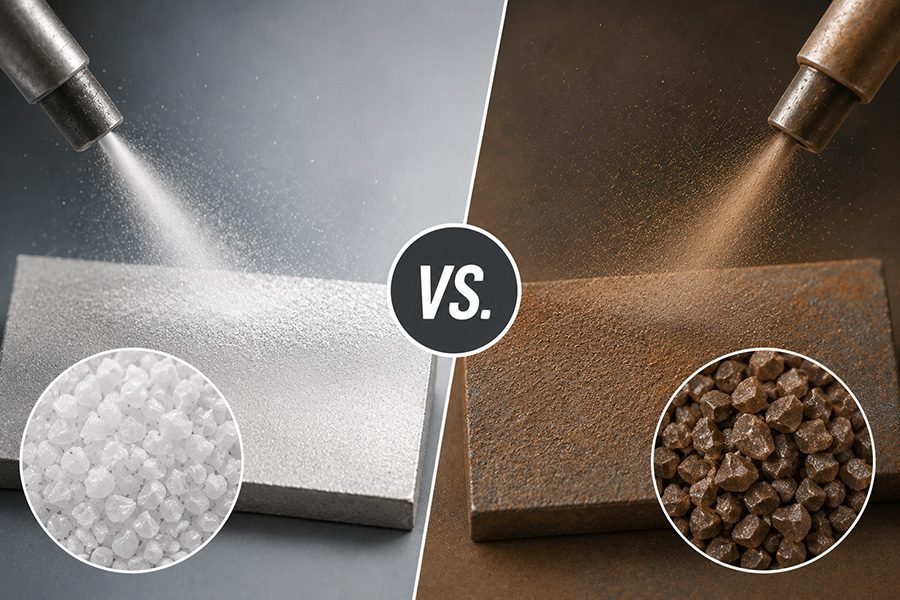
| Property | Black SiC | Green SiC |
|---|---|---|
| Purity | 98–99% | ≥99% |
| Toughness | Better | More brittle |
| Cost | Lower | Higher |
| Typical Use | General abrasives | Precision grinding |
Black silicon carbide offers the best balance of performance and cost for most bonded and coated abrasive applications.
Grit Size Standards and Quality Requirements
For abrasive manufacturing, black silicon carbide must meet strict quality standards:
- Grit size: FEPA (F), JIS, or customized distributions
- Low magnetic content
- Low free carbon
- Stable bulk density
- Consistent crystal morphology
Inconsistent grain quality can negatively affect wheel balance, coating adhesion, and abrasive life.
Choosing the Right Black Silicon Carbide Grade
When selecting black silicon carbide for abrasives, consider:
- Bonded or coated abrasive type
- Target workpiece material
- Required cutting speed
- Surface finish requirements
- Cost-performance optimization
A properly selected grade can significantly improve productivity and reduce manufacturing defects.
Why Source Black Silicon Carbide from a Reliable Supplier?
A qualified supplier ensures:
- Stable chemical composition
- Tight particle size control
- Reliable batch-to-batch consistency
- Technical support for abrasive applications
Reliable supply is essential for maintaining abrasive product performance and customer satisfaction.
Looking for High-Quality Black Silicon Carbide for Abrasives?
Henan Superior Abrasives specializes in supplying high-performance black silicon carbide for bonded abrasives and coated abrasives. Our products are trusted by abrasive manufacturers across Asia, Europe, the Middle East, and South America.
Why choose Henan Superior Abrasives?
- Stable SiC purity (98–99%)
- Tight grit size control (FEPA / JIS)
- Low magnetic content & low free carbon
- Reliable supply for long-term cooperation
- Fast response and professional technical support
Whether you are producing grinding wheels, sanding belts, or fiber discs, we can recommend the most suitable black silicon carbide grade for your application.
👉 Get in touch with us now to request samples, technical data, or a competitive quotation.