当导热聚合物化合物表现不佳时, 后果会迅速蔓延: 结温超过额定限制, 降额曲线迫使代价高昂的过度设计, 现场回报率攀升. 填料选择通常是根本原因. 黑碳化硅粗磨料 在以成本与电导率比为主导规范的散热器填料应用中,细粉末越来越多地取代氧化铝和氮化硼. 本文介绍了工程师严格评估该替代所需的热导率数据.
黑碳化硅与普通填料的固有导热率
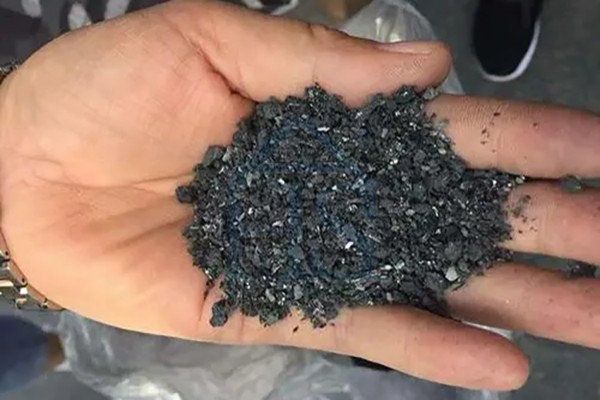
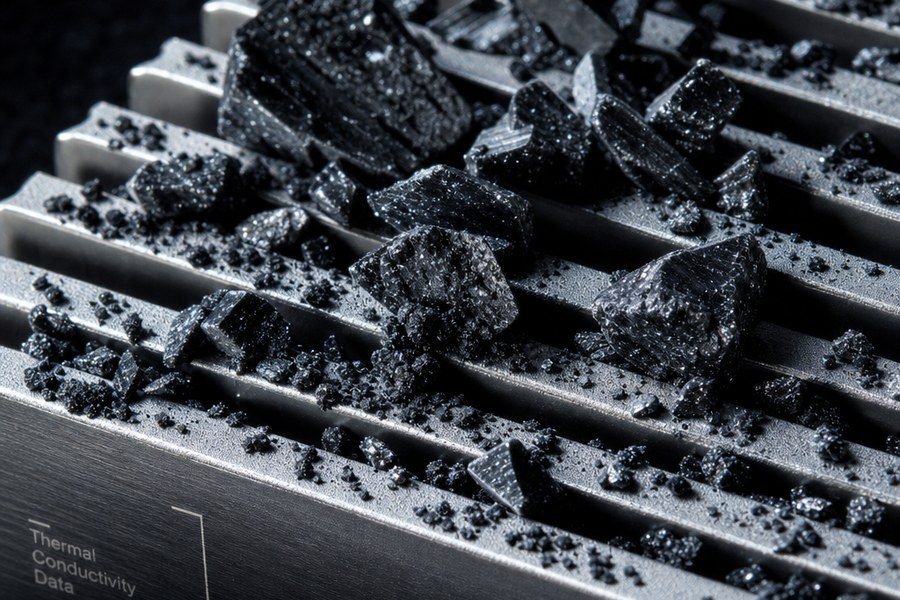
大部分 黑碳化硅 (碳化硅, 98–99% 纯度) 室温下固有导热率为 100–120 W/m·K, 根据 ASTM E1461 采用激光闪光法测量. 这个数字大约比氧化铝高四到五倍 (Al2O₃ 20–30 W/m·K) 与六方氮化硼片晶的数量级相当, 虽然六方氮化硼具有很强的各向异性. 氮化铝达到 170–220 W/m·K,但每公斤价格比黑碳化硅高出三到六倍.
下面的数据总结了聚合物热界面化合物中使用的填料的代表性室温导热系数值:
| 填充材料 | 内在的l (瓦/米·K) | 典型负载化合物 λ at 60 体积% (瓦/米·K) | 相对成本指数 (Al2O₃ = 1) |
|---|---|---|---|
| 黑碳化硅 | 100–120 | 6–12 | 1.5–2.0 |
| 氧化铝 (铝2O₃) | 20–30 | 2–4 | 1.0 |
| 氮化铝 (氮化铝) | 170–220 | 10–18 | 6–10 |
| 六方氮化硼 (六方氮化硼) | 60–400 (各向异性) | 4–8 (随机方向) | 4–7 |
| 氧化镁 (氧化镁) | 35–60 | 2–5 | 1.2–1.6 |
粒度分布如何控制堆积密度和化合物电导率
填充聚合物的热导率不仅仅是填料固有电导率的函数 - 颗粒堆积效率 控制如何有效地在矩阵中形成传导路径. 球形颗粒的单峰分布大致限制了随机堆积 64% 按体积. 黑碳化硅粉末通常是有角且不规则的, 这减少了自由流动堆积,但在固结后增加了颗粒间的接触面积, 有利于晶界处的声子传递.
合并粗分数 (D50 ~ 45–100 微米) 有一个细分数 (D50 ~ 3–10 微米) 在一个 70:30 到 60:40 质量比允许细颗粒填充间隙空隙, 将可实现的负载推过去 70 vol% 不按比例增加粘度. 在环氧树脂或有机硅基质中的负载水平下, 已独立报道本体化合物电导率值在 10–15 W/m·K 范围内. 使用有机硅烷偶联剂(尤其是氨丙基三乙氧基硅烷)进行表面处理可减少团聚并提高填料与基体的粘合力, 显着降低界面热阻.
SiC 负载水平对测量的化合物热导率的影响
导热系数与填料体积分数呈非线性关系. 低于渗滤阈值(对于有角 SiC 通常为 20-30 vol%),电导率增益不大,因为导电路径仍然不连续. 高于这个阈值, 当颗粒链桥接聚合物时,黑色碳化硅的每个增量体积百分比都会带来逐渐更大的增益. 已发表的使用有机硅基础树脂的复合试验数据显示以下代表性关系:
- 30 黑碳化硅体积%: 化合物 λ ≈ 2.5–3.5 W/m·K (与纯树脂相比,基线热界面得到改善)
- 50 黑碳化硅体积%: 化合物 λ ≈ 5–7 W/m·K (接近无源散热器垫应用的实际最小值)
- 60 黑碳化硅体积%: 化合物 λ ≈ 8–12 W/m·K (电源模块周围灌封胶的目标范围)
- 70+ 黑碳化硅体积% (双峰分布): 化合物 λ ≈ 12–18 W/m·K (需要优化的偶联剂和高剪切混合)
加工限制施加了实际的上限. 浆料超过 75 vol% 负载需要加热分配设备并表现出急剧升高的粘度, 如果没有真空辅助铸造,复杂几何形状的无空隙封装就变得困难.
导热应用中的电阻率注意事项
与氧化铝和氮化硼不同, 黑碳化硅是一种 半导体, 体电阻率在 10 至 10 Ω·cm 范围内,具体取决于纯度和杂质类型. 这限制了它在必须保持导体之间电隔离的化合物中的直接应用——绝缘栅双极晶体管的标准要求 (IGBT) 模块灌封通常规定体积电阻率高于 10^10 Ω·cm. 在高负载水平下, 即使少量互连的 SiC 颗粒也会产生违反介电规范的泄漏路径.
实践中采用了两种缓解策略. 第一的, 通过溶胶凝胶涂层将单个 SiC 颗粒封装在薄薄的氧化铝或二氧化硅壳中,可将有效化合物电阻率提高到可接受的水平,同时保留大部分热性能. 第二, 将黑色 SiC 与六方氮化硼 (hBN) 或氮化铝 (AlN) 等电绝缘填料混合,使配方设计师能够同时调节电导率和介电性能. 采购此类混合物的采购团队应验证颗粒表面化学和纯度证书, 因为铁污染的 SiC 会显着降低电阻率.
温度依赖性: 从低温到低温的性能稳定性 300 摄氏度
SiC 中声子主导的热传导遵循反温度关系——电导率随温度升高而降低, 大约从 120 W/m·K 时 25 °C 至 左右 70 W/m·K 时 200 °C 和 50 W/m·K 时 400 摄氏度. 用于填充聚合物系统, 然而, 聚合物基体在 SiC 表现出有意义的电导率损失之前就已降解. 有机硅化合物在大约 200–220 °C 的温度下仍能保持功能, 而高温环氧树脂则将温度延长至 250–280 °C. 在这些服务窗口内, 黑色 SiC 填料电导率仅略有下降 (〜15–20%), 且化合物级热性能保持基本稳定.
这种稳定性使黑色碳化硅填充化合物适用于汽车电力电子器件, 其中 IEC 60068 −40 °C 和 之间的热循环测试 +150 °C 是标准资格要求. SiC的热膨胀系数低 (4.0–4.5 × 10⁻⁶ /°C) 还可以降低循环过程中填料-基体界面处的热机械应力, 相对于 CTE 不匹配较高的填料,有助于延长化合物的使用寿命.
为您的配方选择正确的颗粒等级
牌号选择取决于最终用途的几何形状, 加工方法, 和目标电导率. 适用于薄粘合线应用,例如下面的热界面垫 250 微米, 必须严格控制最大粒径 — D99 以下 40 µm 是防止胶层空洞的常用规格. 用于灌封和浇注到散热器腔中, 更粗的分布(低至 F46 或 F60 粒度)可提供更高的装载效率和卓越的导电性. 黑碳化硅也用于其他工业领域——例如, 作为磨料 石材抛光作业 ——这意味着已建立的全球供应链大规模存在, 支持热管理量的可靠采购.
配方设计师应向供应商请求的关键规格参数包括: 化学纯度 (碳化硅≥ 98.5 重量%), 游离碳含量 (≤ 0.3 重量%), 铁含量 (≤ 0.1 重量%), 根据 ISO 激光衍射测定 D10/D50/D90 粒度分布 13320, 和 BET 表面积. 对铁和游离碳的严格纯度控制尤为重要,因为两者都会引入电子传导途径,从而损害最终化合物的介电性能. 与背后的化学反应不同 绿碳化硅在涂料行业的应用, 由于艾奇逊炉位置和原材料选择,黑碳化硅的杂质分布略有不同, 使特定等级的数据表变得至关重要,而不是通用 SiC 规范.
经常问的问题
问: 黑色碳化硅填充环氧化合物在高温下测得的导热系数是多少? 60 体积%装载量?
A: 在 60 标准环氧树脂基体中黑色 SiC 含量的 vol%, 块状化合物的导热率通常介于 8 和 12 瓦/米·K, 根据 ASTM D7984 采用瞬态热线法或根据 ASTM E1461 采用激光闪光法测量. 精确值取决于粒度分布, 表面处理质量, 和固化过程中的空隙率. 双峰分布将负载推向 70 vol% 可以将此范围扩展至 12–15 W/m·K.
问: 黑碳化硅可以用于电绝缘热界面材料吗?
A: 不以未经修改的散装形式用于高压应用. 黑碳化硅的体电阻率仅为 10^1–10^3 Ω·cm, 远低于 IGBT 或功率模块灌封化合物通常所需的 10^⁰ Ω·cm 最小值. 用介电壳封装 SiC 颗粒 (通过溶胶-凝胶法制备氧化铝或二氧化硅) 或与 AlN 或 hBN 等绝缘填料混合都是恢复介电性能同时保持热效益的可行策略.
问: 作为散热器填料,黑碳化硅与氧化铝相比在性价比方面如何?
A: 黑碳化硅每公斤的成本比氧化铝高约 1.5–2 倍,但固有导热率为 100–120 W/m·K,而氧化铝为 20–30 W/m·K. 相当于 60 体积%装载量, SiC 填充化合物达到 8–12 W/m·K,而氧化铝填充系统为 2–4 W/m·K — 化合物电导率提高了三到四倍,填料成本大约增加了一倍. 适用于结温降低对器件可靠性或降额有直接影响的应用, 成本溢价通常是合理的.
问: 对于薄粘合层热界面垫应用,我应该要求什么粒径规格?
A: 对于以下胶层厚度 250 微米, 指定 D99 ≤ 40 µm,防止单个颗粒弥合胶层间隙并产生应力集中或不完全润湿. D50 约为 8–12 µm 的双峰混合物 (粗粒部分) 和 1–3 µm (细分数) 在一个 65:35 质量比是广泛使用的起点. 根据 ISO 通过激光衍射确认 D99 13320, 不是筛分析, 作为筛法,低估了细长的有角颗粒.
问: 黑色 SiC 填料的热导率在 –40 °C 至 +150 °C 汽车工作范围?
A: SiC 固有电导率从 ~120 W/m·K 下降 25 °C 至 ~95 W/m·K 150 °C — 大约 20% 减少. 在有机硅或高温环氧化合物内, 这意味着整个汽车系列的整体化合物电导率适度降低 10-18%. 该材料在整个 IEC 范围内保持机械和化学稳定性 60068-2-14 −40 °C 和 之间的热循环测试 +150 摄氏度, 以下没有记录相变或氧化开始 800 空气中°C.
关于河南高级磨料磨具 (高铁)
河南优之源磨料 (高铁) 是一家总部位于中国的制造商和全球供应商,为全球工业应用提供高性能磨料和先进陶瓷材料. 我们的核心产品系列包括黑碳化硅, 绿碳化硅, 电子级碳化硅 (碳化硅), 白刚玉, 棕刚玉, 碳化硼, 电熔铝酸钙, 和 SG 磨料.
服务客户于 30+ 国家, HSA 提供可靠的磨料材料, 耐火材料, 技术陶瓷, 半导体应用, 精密抛光, 喷砂, 冶金, 和高性能建筑材料.
获取报价或免费样品
寻找优质磨料和先进陶瓷材料的可靠供应商? 立即联系我们的技术团队——我们会在 24 小时并可为合格的项目安排免费样品.
- 📧 电子邮件: sales@superior-abrasives.com
- 💬 WhatsApp的: +86-186-3863-8803