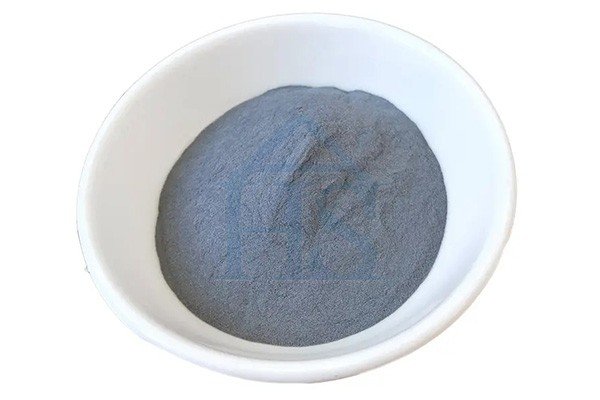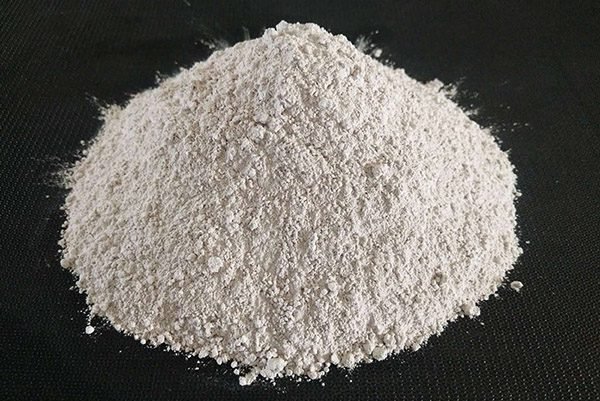
Calcined alumina is a processed form of aluminum oxide used in ceramics, sản phẩm chịu lửa, hợp chất đánh bóng, wear-resistant components and other industrial materials. It is produced by heating an alumina feedstock at a controlled temperature to remove chemically bound moisture, modify surface area and promote the formation of stable crystalline alumina phases.
The term calcined alumina covers a broad group of products rather than one universal grade. Materials can differ substantially in chemical purity, alpha-phase conversion, sodium content, particle size distribution, crystal size, surface area and degree of milling. Selecting a grade therefore requires a clear understanding of both the manufacturing process and the final application.
This guide explains the main properties and grades of calcined alumina, how it is manufactured, where it is used and which information should be reviewed before requesting a quotation.
What Is Calcined Alumina?
Calcined alumina is primarily composed of aluminum oxide, normally expressed as Al2O3. During calcination, hydrated or transitional alumina phases are heated so that water and volatile components are removed and the crystal structure becomes more stable. Depending on the temperature, residence time and feedstock, the process can produce alumina with different levels of alpha-phase conversion, surface area and crystal size.
Calcined alumina should not be treated as interchangeable with activated alumina, tabular alumina or fused alumina. Although these materials are all based on aluminum oxide, their manufacturing methods, pore structures, particle shapes and typical applications are different.
How Calcined Alumina Is Manufactured
A typical production process begins with a refined alumina feedstock. The material is heated in a rotary kiln, tunnel kiln or another controlled calcination system. Temperature and residence time determine the degree of phase transformation and influence the final crystal structure.
After calcination, the material may be crushed, classified, milled or surface-treated. Fine ceramic grades often require precise milling and narrow particle size control, while refractory grades may be supplied with a broader distribution. Quality control generally includes chemical analysis, particle size testing, phase analysis and moisture measurement.
- Feedstock selection controls the baseline chemical purity and trace-element profile.
- Calcination temperature influences phase conversion, crystal growth and surface area.
- Milling determines particle size distribution, agglomeration and packing behavior.
- Classification removes oversized particles and helps maintain lot consistency.
- Final testing confirms that the material meets the agreed specification.
Key Properties of Calcined Alumina
| Tài sản | Why It Matters | What to Confirm |
| Al2O3 purity | Affects contamination, electrical behavior, color and high-temperature performance. | Request the actual chemical analysis and test method. |
| Alpha-phase content | Influences stability, độ cứng, sintering behavior and shrinkage. | Confirm whether phase content is controlled or reported. |
| phân bố kích thước hạt | Controls packing, rheology, surface finish and sintering. | Review D10, D50, D90 or mesh distribution. |
| hàm lượng natri | Can affect electrical and high-temperature ceramic performance. | Specify low-soda requirements where necessary. |
| Surface area | Influences reactivity, binder demand and sintering behavior. | Confirm BET surface area for technical ceramic use. |
| Moisture and loss on ignition | Can affect storage, formulation accuracy and processing. | Agree on maximum limits and packaging. |
Common Calcined Alumina Grades
Standard Calcined Alumina
Standard grades are used in general ceramic, vật liệu chịu lửa, filler and polishing applications. They are typically selected where consistent aluminum oxide content and particle size are more important than ultra-low trace-element levels.
Low-Soda Calcined Alumina
Low-soda grades are processed to reduce residual sodium. They may be preferred for electrical ceramics, advanced ceramics and applications where alkali content can affect performance.
Reactive Alumina
Reactive alumina is normally very finely milled and designed to support densification and controlled sintering. It is widely used in high-performance refractory castables and technical ceramics. Its high fineness can also increase water or binder demand, so formulation trials are important.
Polishing Alumina
Polishing grades require controlled particle size, limited oversized particles and consistent cutting behavior. The correct grade depends on the substrate, desired surface finish, polishing system and acceptable removal rate.
Ứng dụng công nghiệp
Technical and Advanced Ceramics
Calcined alumina is used in ceramic bodies, chất cách điện, wear parts, seals and structural components. Ceramic manufacturers select grades according to purity, kích thước hạt, forming process, firing temperature and required density.
Vật liệu chịu lửa
In refractory castables and shaped products, calcined or reactive alumina can improve refractoriness, matrix packing and high-temperature strength. It may be combined with tabular alumina, alumin nung chảy trắng, calcium aluminate cement, silica or other additives.
Polishing and Surface Finishing
Fine calcined alumina can be used in polishing powders, compounds and slurries for metals, thủy tinh, ceramics and other hard surfaces. Particle size control is essential because oversized particles can create scratches.
Coatings, Fillers and Composite Materials
Alumina can improve hardness, hao mòn điện trở, thermal behavior and chemical stability in selected coatings and composite systems. Compatibility with the resin, binder or carrier should be confirmed through formulation testing.
How to Select the Right Grade
Start with the final application rather than selecting by product name alone. Provide the supplier with the processing method, target particle size, operating temperature, purity requirement and expected annual volume.
| Application Need | Recommended Specification Focus |
| Dense technical ceramic | độ tinh khiết, low sodium, D50/D90, surface area and sintering behavior |
| Refractory castable | Reactive fraction, particle packing, water demand and high-temperature performance |
| Precision polishing | Narrow distribution, oversized-particle control and surface finish |
| General filler | Trị giá, kích thước hạt, whiteness, moisture and dispersion |
| Electrical insulation | độ tinh khiết, alkali content, dielectric requirements and fired properties |
Before placing a production order, test a representative sample in the actual formulation or process. Laboratory values alone may not predict slurry behavior, pressing, firing shrinkage, polish rate or final surface quality.
Calcined Alumina Compared with Other Alumina Materials
| Vật liệu | Production Route | Typical Characteristics | Typical Uses |
| alumin nung | Controlled thermal treatment and optional milling | Stable alumina phase, broad grade range | Gốm sứ, vật liệu chịu lửa, đánh bóng |
| Activated alumina | Controlled dehydration with porous structure | High surface area and adsorption | Drying, filtration, Chất xúc tác hỗ trợ |
| Tabular alumina | High-temperature sintering | Dense, coarse crystals and high refractoriness | Premium refractory aggregates |
| Alumin nung chảy trắng | Electric-arc fusion | Cứng, angular and low in iron | Chất mài mòn, nổ mìn, vật liệu chịu lửa |
bao bì, Storage and Handling
Calcined alumina should be stored in a dry, covered area and protected from moisture and contamination. Packaging may include small bags, large bags or palletized formats depending on grade and order quantity. Confirm net weight, pallet configuration, inner liners and labeling before shipment.
Fine alumina powder can generate airborne dust. Use suitable ventilation, dust collection and personal protective equipment according to the product safety data sheet and local workplace regulations.
Câu hỏi thường gặp
Is calcined alumina the same as aluminum oxide?
Calcined alumina is a specific processed form of aluminum oxide. Aluminum oxide is the broader chemical term and includes calcined, activated, tabular and fused alumina products.
What is the difference between calcined alumina and activated alumina?
Calcined alumina is generally selected for ceramics, vật liệu chịu lửa, polishing and fillers. Activated alumina has a porous, high-surface-area structure and is commonly used for adsorption, drying and filtration.
What determines the best particle size?
The best particle size depends on the forming or mixing process, target surface finish, packing requirement, reaction rate and final product properties. D50 alone is not sufficient; the full distribution should be reviewed.
Can calcined alumina be used in refractory castables?
Đúng. Calcined and reactive aluminas are widely used in refractory matrices, but the correct grade and addition level depend on aggregate grading, binder system, water demand and service conditions.
What information is needed for a quotation?
Provide the application, required chemistry, kích thước hạt, số lượng, bao bì, destination port or address and any testing or certification requirements.
Request a Technical Recommendation
To recommend a suitable calcined alumina grade, please provide your application, target chemical composition, particle size requirement, processing method, trial quantity, annual demand, packaging preference and delivery destination. A representative sample should be evaluated before production use.