

Cum se măsoară puritatea carburei de siliciu neagră - și de ce contează?
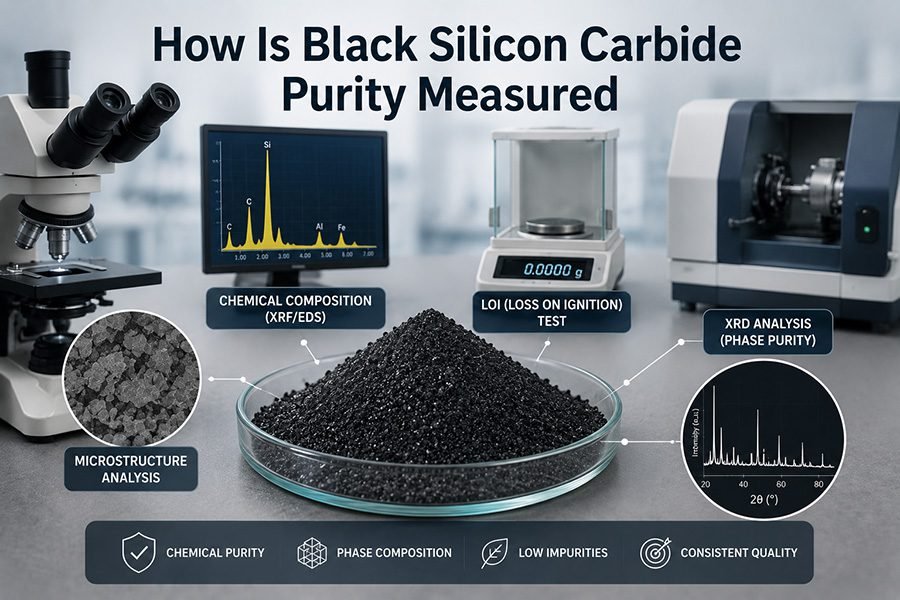
Puritatea carburei de siliciu neagră nu este o singură cifră - este un profil al conținutului de SiC, carbon liber, siliciu liber, și nivelurile de oxid metalic care împreună determină performanța de măcinare, durata de viata refractara, și respectarea limitelor de inspecție de intrare. Acest ghid explică metodele de testare pe care se bazează inginerii, modul în care tipul de impuritate determină anumite moduri de defecțiune, și ce trebuie verificat înainte de a aproba un lot furnizor.
Micropulbere verde de carbură de siliciu în materiale de interfață termică
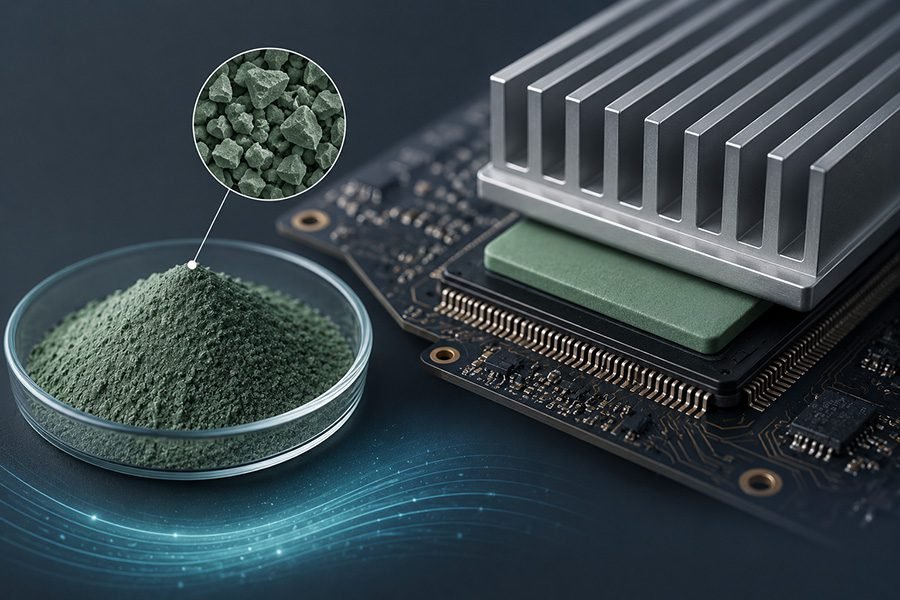
Micropulberea verde de carbură de siliciu oferă o conductivitate termică în vrac de 120–150 W/m·K, făcându-l un material de umplutură rentabil pentru materialele de interfață termică de înaltă performanță în electronica de putere. Acest ghid acoperă selecția dimensiunii particulelor, protocoale de tratare a suprafeței, strategii de încărcare, și specificații complete de achiziție pentru GSiC de calitate TIM.
Alumină topită maro pentru aplicații de acoperire cu pulverizare cu plasmă

Alumina topită maro pentru aplicații de acoperire cu pulverizare cu plasmă oferă puritatea fazei, consistența mărimii particulelor, și stabilitate termică necesară pentru hard, acoperiri ceramice bine lipite. Acest ghid acoperă specificațiile materiei prime, selecția morfologiei, pregătirea substratului, și criteriile de calificare a furnizorilor pentru ingineri și echipele de achiziții care aprovizionează BFA pentru operațiuni industriale și de pulverizare cu specificații înalte.
Alumină albă topită vs. Alumină tabulară pentru refractare la temperaturi ultra-înalte
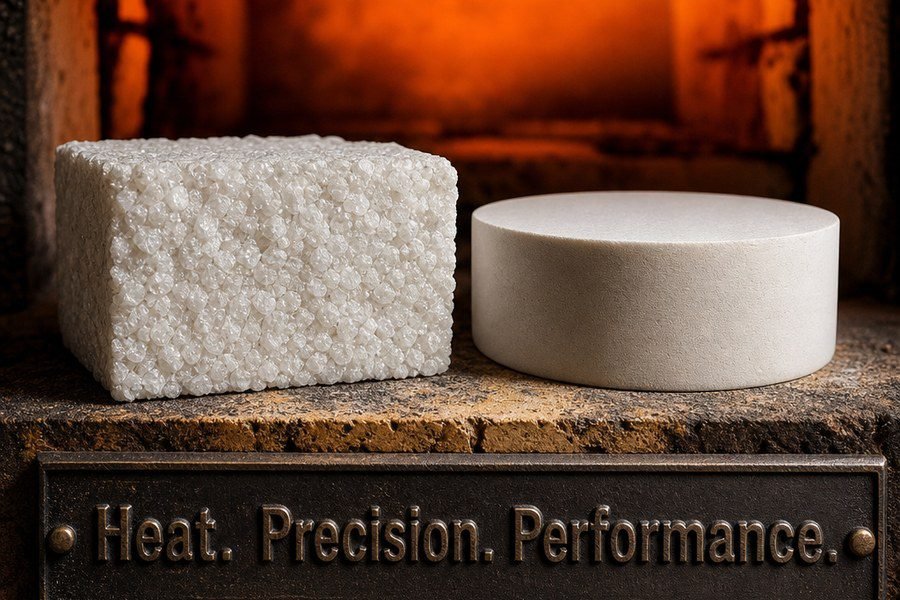
Alegerea dintre alumină topită albă și alumină tabulară pentru refractare la temperaturi ultra-înalte este o decizie structurală, nu doar o comparație a costurilor. Acest articol examinează microstructura, termic, și proprietăți chimice care determină ce material supraviețuiește serviciului susținut de mai sus 1600 °C — și unde fiecare grad oferă o rentabilitate mai bună a investiției refractare.
Aluminat de calciu topit pentru reducerea incluziunilor de MnS în oțel
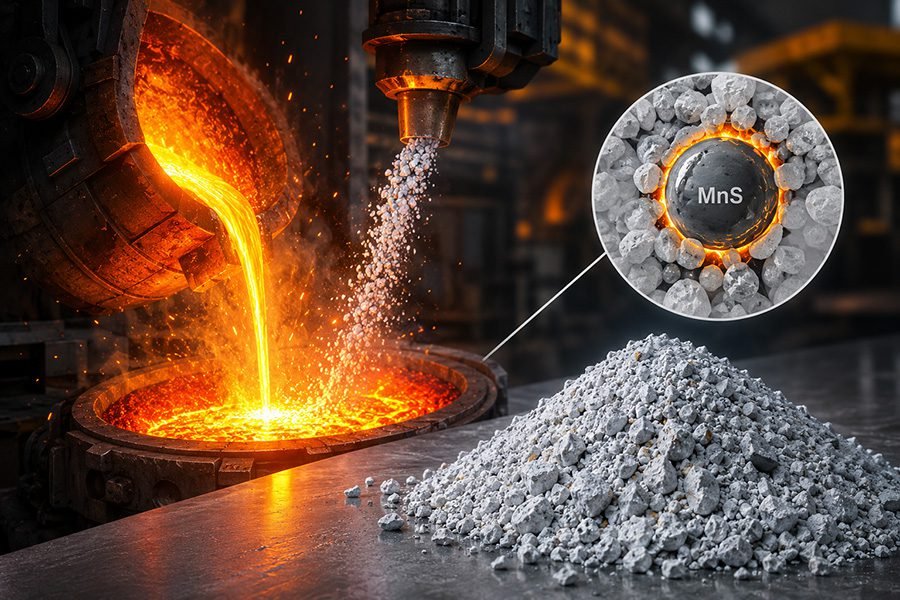
Barele MnS alungite degradează tenacitatea transversală și performanța la oboseală în oțelurile de structură și de inginerie. Acest articol explică mecanismul termodinamic prin care aluminatul de calciu topit modifică morfologia sulfurei, definește specificațiile compoziționale critice de evaluat la aprovizionare, și conturează integrarea proceselor și metodele de evaluare a includerii pentru rezultate consistente de oțel curat.
Alumină topită albă pentru șlefuirea alezajelor cilindrilor hidraulici
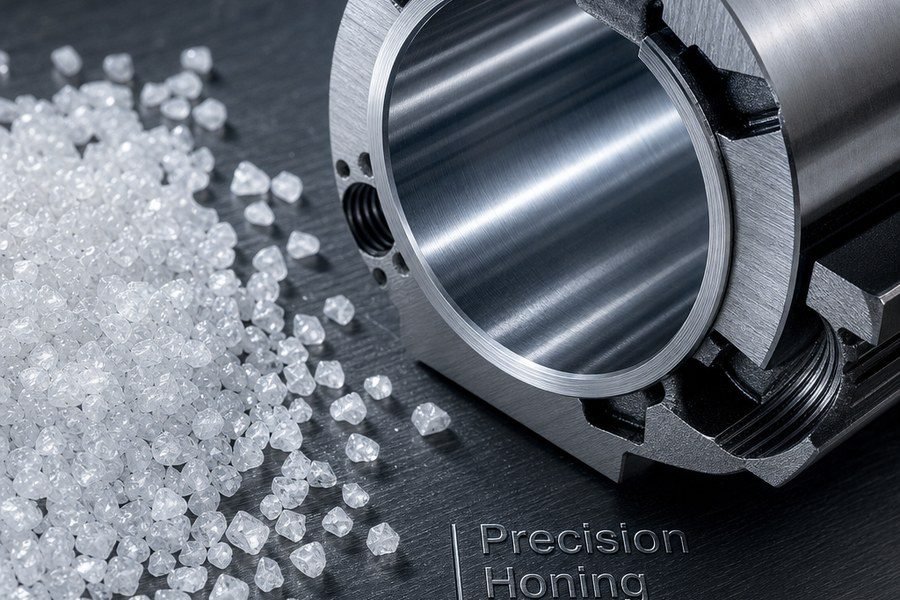
White fused alumina with ≥99.5% Al₂O₃ purity and controlled grain morphology is the reference abrasive for plateau honing hydraulic cylinder bores to Ra 0.2–0.8 µm tolerances required by high-pressure seal systems. This guide covers grit selection by honing stage, critical material specifications, and pressure-class-specific finish targets to help engineers and procurement teams specify correctly.
Cum afectează forma particulelor eficiența de tăiere cu carbură de siliciu verde
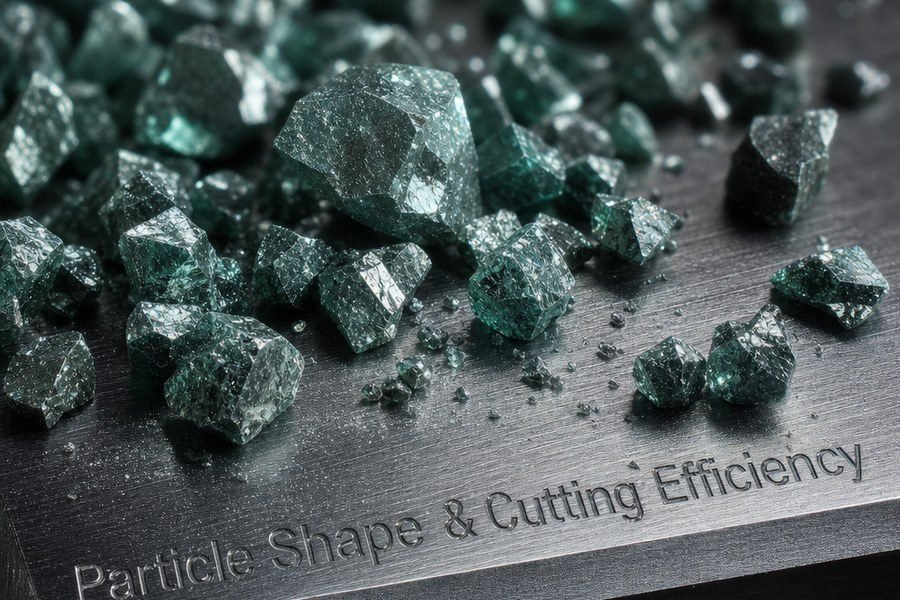
Particle shape is one of the most consequential yet under-specified variables in green silicon carbide performance. This article explains how angular, semi-blocky, and elongated grain morphologies drive different outcomes in material removal rate, finisarea suprafeței, and wheel life — with measurement standards and procurement criteria engineers can apply directly.
Macro cu carbură de siliciu neagră vs. Micro: Cum afectează dimensiunea particulelor finisajul suprafeței Valoarea Ra
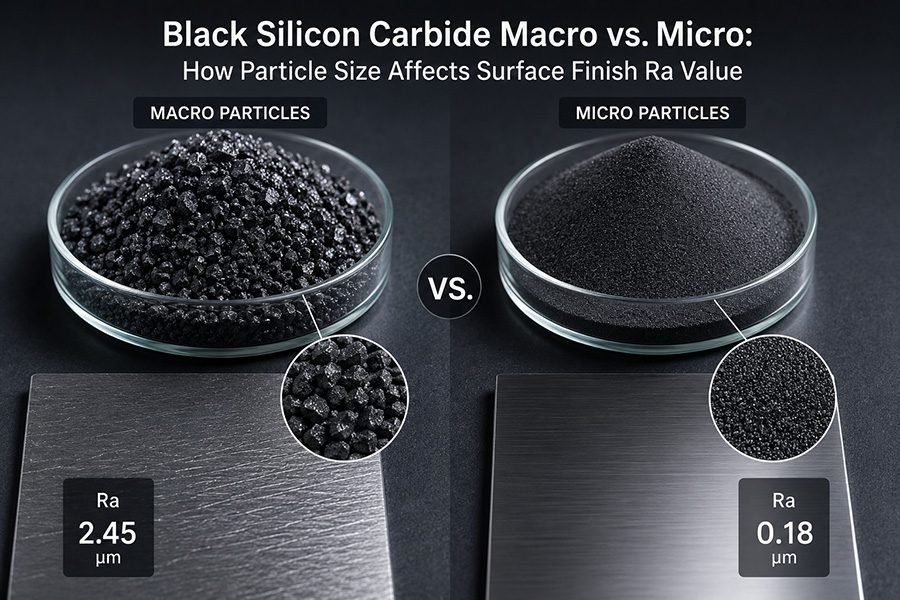
Alegerea unui interval de dimensiune greșit a particulelor pentru prelucrarea cu carbură de siliciu neagră poate lăsa valori Ra de finisare a suprafeței 8 la 15 ori peste specificație. Acest ghid mapează gradele FEPA macro și micro granulație la intervalele Ra realizabile, explică mecanismele fizice din spatele fiecărei tranziții, și oferă inginerilor un cadru practic pentru selectarea clasei potrivite din primele principii.
Carbură de bor în acoperiri rezistente la zgârieturi pentru optică și afișaje
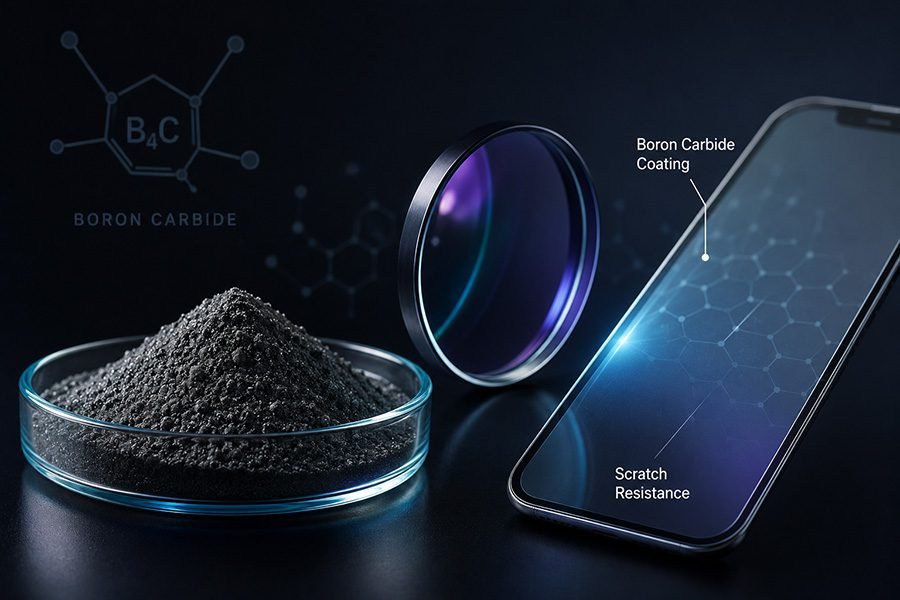
Boron carbide delivers Vickers hardness of 2,900–3,580 HV combined with 85–92% visible transmittance, making it a technically superior choice over DLC and TiN for scratch-resistant coatings on optical elements and display glass. This article covers deposition methods, adhesion interlayer design, powder purity specifications, and the standardised test protocols that govern acceptance in optical and display supply chains.