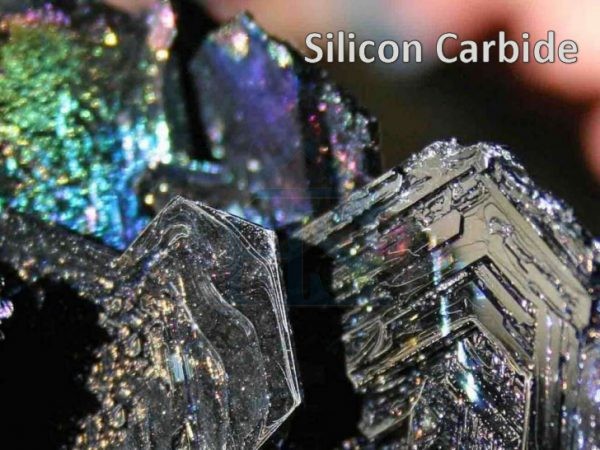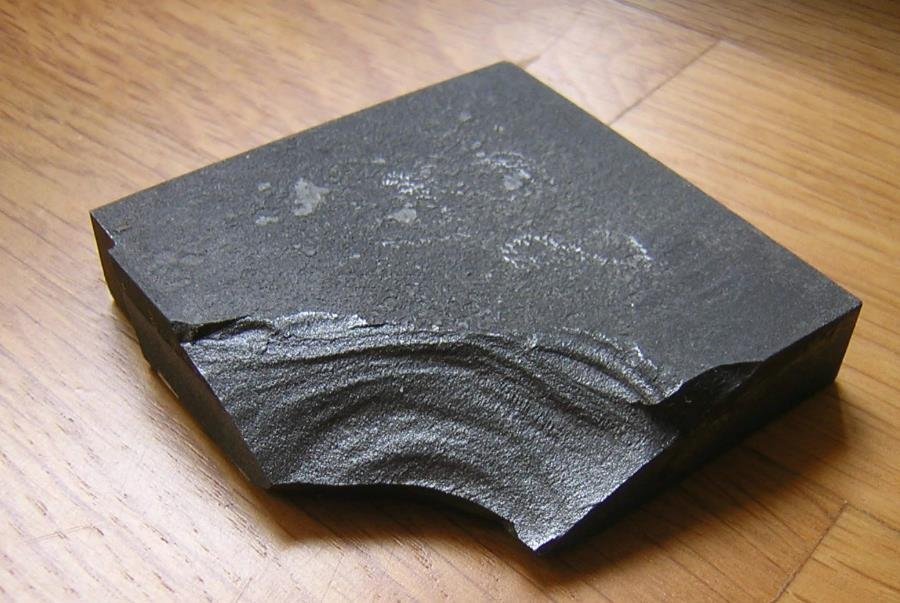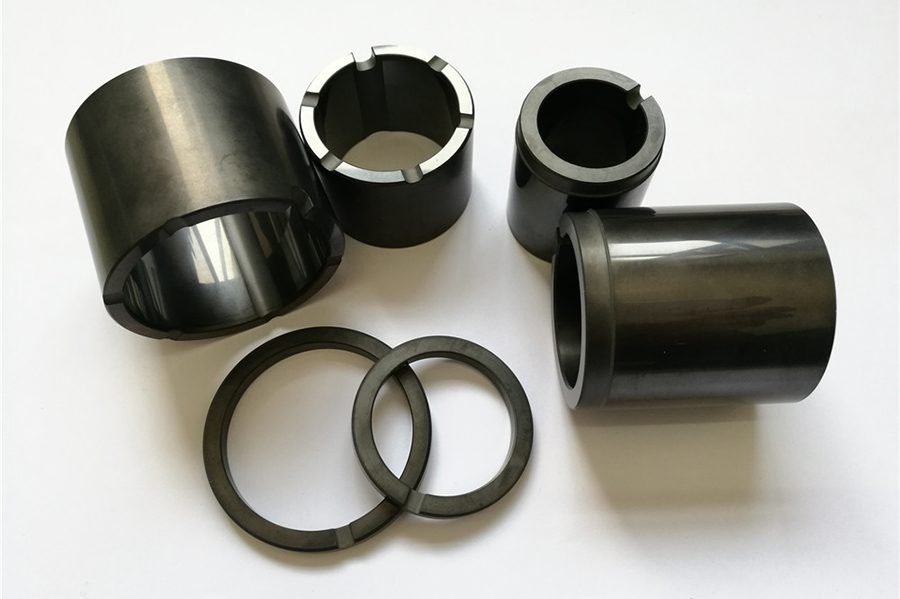
ユーロに伴い世界的な排ガス規制が強化される中 6 中国へ VI, 素朴なディーゼル微粒子フィルターは、現代の車両設計において最も重要なコンポーネントの 1 つになりました. その中心には、すべてを可能にする単一の素材があります。: 炭化ケイ素 (SiC) — 驚異的な耐熱性を兼ね備えたセラミックス, 機械的耐久性, 他の素材では真似できない濾過効率を実現します。.
ディーゼル微粒子フィルターとは何ですか — そしてなぜ材質が重要なのでしょうか?
あ ディーゼル微粒子フィルター ディーゼル燃焼中に生成される炭素質すす粒子を捕捉して酸化するように設計された排気後処理装置です。. DPFなし, これらの微粒子 — 多くは下にあります 2.5 ミクロン — 大気中に侵入し、呼吸器疾患の原因となる, スモッグ, および規制違反.
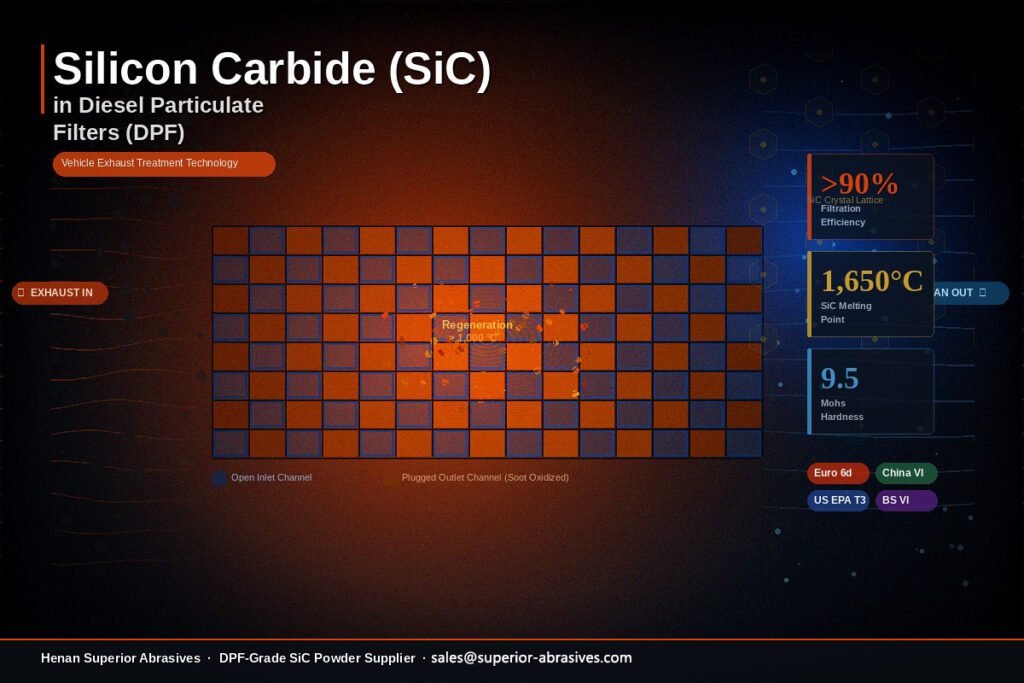
DPFは極限環境で動作します: 排気ガス温度は日常的に 600 ~ 900°C に達することがあります, また、アクティブな再生中(蓄積した煤を除去する高温の燃焼サイクル)、フィルター内の温度が 1,000°C を超える可能性があります。. 基材の材料は、これらの条件に耐えるだけでなく、寸法安定性も維持する必要があります。, ろ過の完全性, サイクル後の低背圧, 車の寿命のために.
それがまさに炭化ケイ素が登場した理由であり、炭化ケイ素が現在世界の乗用車および軽量 DPF 基板の市場を支配している理由です。.
DPF における SiC の優位性の背後にある材料科学
炭化ケイ素 ケイ素と炭素の共有結合した化合物です (SiC) 非常に高い剛性を持つ結晶格子を形成します。. DPF 基材へのその適用は偶然ではなく、排気後処理の要求に正確に適合する特性の独自の収束の結果です。.
熱特性: 再生サイクルを生き抜く
再生イベントは、DPF の動作において最も熱が要求される瞬間です。. 蓄積した煤は550℃を超える温度で燃焼します。, そして制御されていない再生イベントでは, ローカライズされた “熱暴走” 温度は1,000℃をはるかに超える可能性があります. SiC の主な競合相手であるほとんどのコーディエライト基板は、1,200°C を超えると軟化して変形し始めます。.
- 融点 ~1,650°C: SiC は、使用中に発生する最高再生温度を超える実質的な安全マージンを提供します.
- 熱伝導率 120~170 W/m・K: SiC は基板全体に熱を迅速かつ均一に放散します。, 危険なホットスポットの形成を防止.
- 低い熱膨張係数 (4.0 × 10⁻⁶/℃): 基材は、数千回の熱サイクルにわたって亀裂や層間剥離を生じることなく、予測どおりに膨張および収縮します。.
- 高い比熱容量: SiC は制御された方法で熱を吸収および放出します。, 急激な負荷変化時の温度の安定化.
機械的強度: 道路の振動と圧力に耐える
車両の下に取り付けられた DPF は、継続的な機械振動にさらされます。, 排気圧パルス, と取り付けストレス. SiCセラミックスは300~500MPaの曲げ強度を示します。, コーディエライトよりも大幅に高い, メーカーは構造の完全性を犠牲にすることなく、より薄肉のハニカム構造を製造できるようになります。. 壁が薄いため、エンジンの背圧が低くなります, これは燃費と出力に直接つながります。.
耐薬品性: 排気環境を生き抜く
ディーゼル排気には硫黄化合物が含まれています, 炭化水素, 窒素酸化物, 水蒸気 - 高温では化学的に攻撃的な混合物. SiC の優れた耐酸化性は、表面に形成される不動態の SiO₂ パッシベーション層に由来します。, バルク材料をさらなる酸化から保護する. この自己防衛行動は、ボンネット内の過酷な環境で長寿命を実現するために重要です。.
テクニカルノート: コーディエライトに対するSiCの熱伝導率の優位性 (およそ 10 ~ 15 倍高い) これが、SiC DPF がより速く再生温度に到達し、より均一に冷却される理由です。これは、熱応力を軽減し、基板の耐用年数を延ばすための重要な要素です。.
SiC DPF基板の製造方法
SiC DPF 基板の製造は、原材料の SiC 粉末の品質から始まる精密セラミック製造プロセスです。. このプロセスを理解すると、バイヤーとエンジニアが最初から正しい材料グレードを指定するのに役立ちます.
ステップ 1 — 原材料の選択
高純度α-SiC粉末 (≥99% SiC 含有量) ベース素材として選択されています. 粒子サイズは気孔率に直接影響するため、粒子サイズ分布は厳密に制御されます (通常、D50 値は 10 ~ 50 μm の範囲), 透過性, 完成した下地の壁面強度.
ステップ 2 — 可塑化と押出
SiCパウダーに有機バインダーを配合, 細孔形成剤, および可塑剤, 次に、精密金型を通して押し出し、特徴的なハニカムチャネル構造を形成します。. セル密度は通常 1 平方インチあたり 200 ~ 300 セルです (CPSI) 自動車用DPF用途向け.
ステップ 3 — 乾燥と焼結
押出およびチャネルエンドプラグ後 (多孔質の壁を通って強制的に排気するために、代替チャネルが塞がれています), グリーンボディは乾燥され、制御された雰囲気内で 2,000 ~ 2,200°C の温度で焼結されます。. このステップにより、SiC 骨格が緻密になります。, 有機結合剤を焼き尽くします, 最終的な細孔構造を確立します.
ステップ 4 — 触媒ウォッシュコーティング (オプション)
SCRF用 (選択的触媒還元フィルター) アプリケーション, 白金族金属を含む触媒ウォッシュコート (PGM) または卑金属酸化物が内部チャネル壁に適用されます, 煤の濾過と同時に NOₓ ガスを変換.
SiC 対. コーディエライト: DPF基材の材質比較
| 財産 | 炭化ケイ素 (SiC) | コーディエライト |
|---|---|---|
| 最高使用温度 | ~1,400℃連続 | ~1,200℃ (上が柔らかくなる) |
| 熱伝導率 | 120–170W/m・K | 1.5–3.0W/m・K |
| 熱膨張係数 | 4.0 × 10⁻⁶/℃ | 1.0–2.0×10⁻⁶/℃ |
| 曲げ強度 | 300–500MPa | 150–200MPa |
| 密度 | ~3.1 g/cm3 | ~2.1 g/cm3 |
| 主な DPF アプリケーション | 乗用車, 軽トラック | 大型トラック, SCRのみ |
| 再生耐性 | 素晴らしい | 適度 |
| 相対コスト | より高い | より低い |
規制要因: SiC DPFの需要が加速する理由
世界中でより厳格な微粒子排出基準への移行が、SiC DPF の採用を促進する唯一の最も強力な要因です. 規制が続くたびに、粒子数に対するより厳しい制限が課されます (PN) と粒子の質量 (午後), より高性能な基板が必要.
DPF テクノロジーを必要とする主要な排出基準
- ユーロ6d (ヨーロッパ): PN ≤ が必要です 6 × 10¹¹ 粒子/km (小型ディーゼル車の場合) — ヨーロッパで販売されるすべてのディーゼル車に高効率 DPF の搭載が事実上義務付けられる.
- 中国 VI (中国): Euro 6d に直接相当; 7月から軽自動車に適用 2020, 大型車両向けは7月から 2021.
- 米国EPAレベル 3 / カリフォルニア LEV III: すべての小型車両に適用される厳しい PM 基準, ガソリン微粒子フィルターでもDPF採用を推進 (GPF) SiC がシェアを伸ばしている用途.
- BS VI (インド): BS IV から BS VI に直接リープフロッグしました。 2020, 世界最大の自動車市場の 1 つにおいて、DPF を装備したディーゼル パワートレインに対する膨大な需要が夜間に生み出されています。.
市場洞察: 世界の DPF 市場は、 2030 新興国市場がユーロ6相当の基準を導入する中. SiC 基板の需要は直接相関しています。SiC DPF の調達サイクルは通常、原材料の仕様から車両への統合まで 18 ~ 36 か月かかります。.
DPF 用途向けの SiC の指定: 購入者が知っておくべきこと
セラミック基板メーカー様向け, 触媒コータ, DPF 製造用の SiC パウダーを調達するティア 1 自動車サプライヤー, 材質仕様は商品決定ではありません. 次のパラメータは重要です:
純度と相組成
DPF グレードの SiC はアルファ相である必要があります (6H または 4H ポリタイプ) 最低純度 98.5 ~ 99.5% の SiC. 遊離シリコン含有量は優先的に酸化し、焼結を妨げる可能性があるため、最小限に抑える必要があります。. 再生挙動を変える可能性のある触媒活性を避けるために、鉄およびその他の金属不純物を制御する必要があります.
粒度分布 (PSD)
投入粉末の PSD は、焼結基板の細孔径分布を直接制御します。, これが濾過効率と圧力損失の両方を左右します。. サプライヤーは完全な D10/D50/D90 データを提供する必要があります, 単なる中央値ではなく. 焼結前のグリーンボディの充填密度を最適化するために、二峰性分布が指定されることがあります。.
形態と表面積
小板状の SiC 粒子は、等軸形態と比較してより高いグリーン密度で充填され、より強力な焼結ネックを生成するため、DPF 用途に適しています。. 比表面積 (ベット) DPF グレードのパウダーでは、1 ~ 5 m²/g の値が一般的です.
バッチ間の一貫性
自動車のサプライチェーンには並外れた一貫性が求められます. SiC 粉末のロットには完全な分析証明書が必要です (CoA) 追跡可能な校正付き, そしてサプライヤーは統計的プロセス管理を実証できる必要があります (SPC) 生産バッチ全体のデータ. D90 テール値の偏差が 5 ~ 10% であっても、生産工程全体で基板の背圧に許容できない変動が生じる可能性があります。.
よくある質問
Q: 他のセラミック材料ではなく炭化ケイ素が DPF に使用されるのはなぜですか?
SiC は熱伝導率の最適な組み合わせを提供します, 高温強度, DPF用途向けの耐薬品性. 熱伝導率はコーディエライトよりも約 50 ~ 100 倍高く、より高速な熱伝導率を実現します。, 危険な温度勾配を最小限に抑えながら、より均一な再生を実現. 乗用車の DPF 使用例において、この特性の組み合わせに適合するコスト実行可能なセラミック材料は他にありません。.
Q: DPFパウダーのα-SiCとβ-SiCの違いは何ですか?
アルファSiC (六方晶系の結晶構造, 6H/4H ポリタイプ) 2,000℃以上で熱力学的に安定しており、より高密度に焼結するため、DPF 基板の製造に好ましい形態です。. ベータSiC (キュービック, 3C ポリタイプ) 焼結温度では安定性が低く、加工中に相変態が起こる可能性があります。, 微細構造欠陥を引き起こす可能性があります. DPF グレードの SiC 粉末の仕様では、通常、以下のベータ SiC 含有量のアルファ SiC が必要です。 5%.
Q: DPF 再生の仕組みと SiC がそれを可能にする仕組み?
DPFの壁に煤が溜まると, エンジンの背圧が上昇する. トリガーしきい値で, エンジン管理システムが再生を開始します - パッシブ (高負荷運転時の排熱を利用) またはアクティブな (燃焼後の燃料を噴射して排気温度を上昇させる). SiC の高い熱伝導率により、基板全体がいすの燃焼温度に確実に達します。 (~550~650℃) 素早く均一に, 劣化した基板に亀裂や溶解を引き起こす可能性のある局所的な過熱現象を防止します。.
Q: SiC DPFはガソリンエンジンにも使用できますか?
はい. ガソリン微粒子フィルター (GPF) ガソリン直噴用 (GDI) Euro 6d および China VI 規制の下でエンジンの要求がますます高まっています. SiC GPF は、ディーゼル DPF と同様の設計原則に従います。, ただし、GDI エンジンの煤付着率が低いということは、より薄い壁とより低いセル密度が多くの場合許容されることを意味します。. SiC の熱安定性は、依然として GPF アプリケーションにおける重要な利点です, 排気温度がディーゼル運転時に発生する温度を一時的に超える可能性がある場合.
Q: DPF 基板の製造に使用される SiC 粒径はどれくらいですか?
DPF 基板メーカーは通常、D50 値が 10 ~ 50 µm の範囲の SiC パウダーをメインバッチに使用します。, より細かい部分と組み合わせられることが多い (D50 1 ~ 5 μm) グリーンボディ内の粒子間の空隙を埋めるため. 得られた焼結基板の平均細孔径は 10 ~ 20 µm で、過剰な圧力降下を防ぐのに十分な大きさであると同時に、サブミクロンの煤粒子を効率的に捕捉するのに十分な大きさです。.
Q: 新しい SiC パウダーサプライヤーに DPF 製造の資格を与えるにはどうすればよいですか?
堅牢なサプライヤー認定プロセスには次のものが含まれる必要があります。: (1) ICP-OESによる微量金属の完全化学分析, (2) XRD相分析によりα-SiC含有量とβ-SiCの定量を確認, (3) 最小範囲で D10/D50/D90 のレーザー回折 PSD 10 連続生産ロット, (4) BET 表面積と SEM 形態の特性評価, と (5) 基板の気孔率を比較するパイロット焼結試験, モル (破壊係数), 現在の認定サプライヤーと比較した細孔サイズ分布. IATFをリクエストする 16949 自動車グレードのサプライチェーンの認証証拠.
DPF製造用の高純度SiC粉末を調達
河南優れた研磨剤 (HSA) FEPAを供給します- ISO認定の炭化ケイ素粉末をセラミック基板メーカーに供給, 触媒コータ, および世界中の自動車 Tier 1 サプライヤー. 当社の DPF グレード SiC は高純度を実現します。, PSDの一貫性, 生産に必要な位相制御.
アルファ-SiC ≥99.0%, バッチごとに完全な ICP-OES 微量金属認証を取得.
すべての製造ロットで D10/D50/D90 CoA を備えた SPC 監視 PSD.
カスタム粒子サイズの範囲は D50 = 1 μmから 50 μm; 二峰性ブレンドも利用可能.
給仕 60+ 信頼性の高いリードタイムと専用の技術サポートを備えた国々.