เนื่องจากกฎระเบียบการปล่อยมลพิษทั่วโลกเข้มงวดจากยูโร 6 ไปยังประเทศจีน VI, ตัวกรองอนุภาคดีเซลที่เรียบง่ายได้กลายเป็นหนึ่งในองค์ประกอบที่สำคัญที่สุดในการออกแบบรถยนต์สมัยใหม่. หัวใจสำคัญของมันคือวัสดุชิ้นเดียวที่ทำให้ทุกสิ่งเป็นไปได้: ซิลิคอนคาร์ไบด์ (SiC) — เซรามิกที่ผสมผสานการทนความร้อนเป็นพิเศษ, ความทนทานทางกล, และประสิทธิภาพการกรองในแบบที่ไม่มีวัสดุอื่นใดเทียบได้.
ตัวกรองอนุภาคดีเซลคืออะไร และเหตุใดวัสดุจึงมีความสำคัญ?
ก กรองอนุภาคดีเซล เป็นอุปกรณ์บำบัดไอเสียที่ออกแบบมาเพื่อดักจับและออกซิไดซ์อนุภาคเขม่าคาร์บอนที่เกิดขึ้นระหว่างการเผาไหม้ดีเซล. โดยไม่มี DPF, อนุภาคละเอียดเหล่านี้ - มากมายด้านล่าง 2.5 ไมครอน — เข้าสู่ชั้นบรรยากาศและมีส่วนทำให้เกิดโรคระบบทางเดินหายใจ, หมอกควัน, และการไม่ปฏิบัติตามกฎระเบียบ.
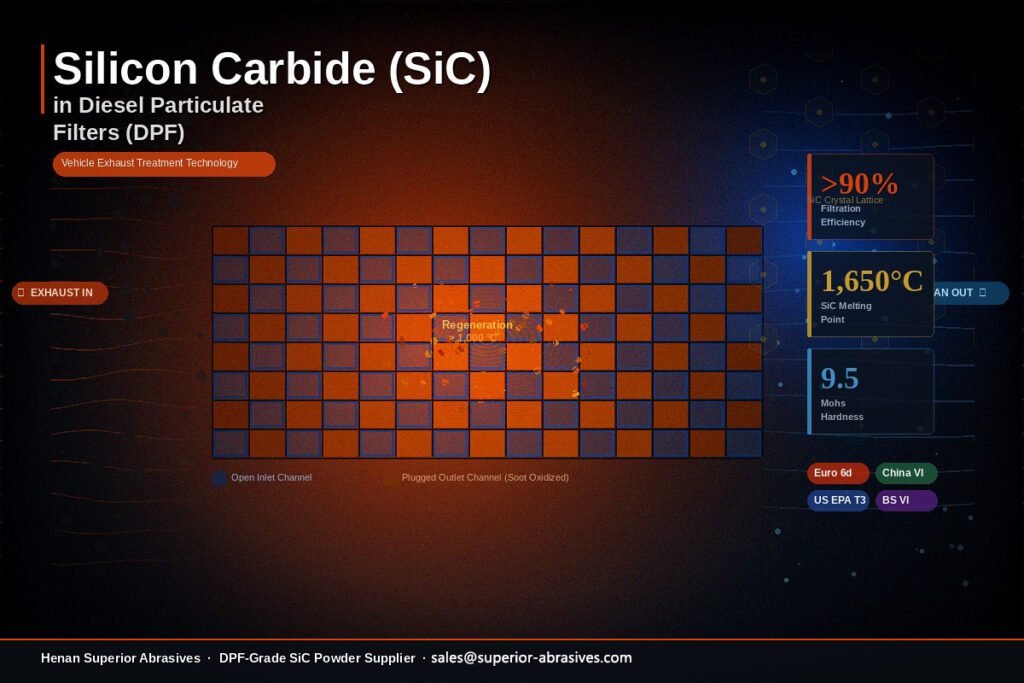
DPF ทำงานในสภาพแวดล้อมที่รุนแรง: อุณหภูมิของก๊าซไอเสียสามารถสูงถึง 600–900°C เป็นประจำ, และในระหว่างการฟื้นฟูแบบแอคทีฟ — วงจรการเผาไหม้ที่อุณหภูมิสูงซึ่งกำจัดเขม่าที่สะสม — อุณหภูมิภายในตัวกรองอาจพุ่งสูงกว่า 1,000°C. วัสดุซับสเตรตต้องไม่เพียงแค่อยู่รอดในสภาวะเหล่านี้เท่านั้น แต่ยังรักษาความเสถียรของมิติอีกด้วย, ความสมบูรณ์ของการกรอง, และแรงดันย้อนกลับต่ำเป็นรอบแล้วรอบเล่า, เพื่ออายุการใช้งานของยานพาหนะ.
นั่นคือสาเหตุที่ทำให้ซิลิคอนคาร์ไบด์เกิดขึ้น — และเหตุใดจึงครองตลาดสำหรับรถยนต์นั่งส่วนบุคคลและซับสเตรต DPF สำหรับงานเบาทั่วโลก.
วัสดุศาสตร์เบื้องหลังการครอบงำของ SiC ใน DPF
ซิลิคอนคาร์ไบด์ เป็นสารประกอบพันธะโควาเลนต์ของซิลิคอนและคาร์บอน (SiC) ที่สร้างโครงตาข่ายผลึกที่มีความแข็งแกร่งเป็นพิเศษ. การใช้งานในซับสเตรต DPF ไม่ใช่เรื่องบังเอิญ — เป็นผลมาจากการบรรจบกันของคุณสมบัติที่เป็นเอกลักษณ์ซึ่งเข้าคู่ได้อย่างแม่นยำกับความต้องการของการบำบัดไอเสียหลังการบำบัด.
คุณสมบัติทางความร้อน: การอยู่รอดของวงจรการฟื้นฟู
เหตุการณ์การฟื้นฟูคือช่วงเวลาเดียวที่ต้องการความร้อนมากที่สุดในการทำงาน DPF. เขม่าที่สะสมจะถูกเผาที่อุณหภูมิเกิน 550°C, และในเหตุการณ์การฟื้นฟูที่ไม่สามารถควบคุมได้, เป็นภาษาท้องถิ่น “หนีความร้อน” สามารถดันอุณหภูมิได้สูงกว่า 1,000°C ได้ดี. วัสดุซับสเตรต Cordierite ส่วนใหญ่ — ซึ่งเป็นคู่แข่งหลักของ SiC — เริ่มอ่อนตัวและเสียรูปที่อุณหภูมิสูงกว่า 1,200°C.
- จุดหลอมเหลว ~1,650°C: SiC ให้ความปลอดภัยที่เหนือกว่าอุณหภูมิการฟื้นฟูสูงสุดที่พบในการให้บริการ.
- ค่าการนำความร้อน 120–170 W/m·K: SiC กระจายความร้อนอย่างรวดเร็วและสม่ำเสมอทั่วพื้นผิว, ป้องกันการเกิดจุดร้อนที่เป็นอันตราย.
- ค่าสัมประสิทธิ์การขยายตัวทางความร้อนต่ำ (4.0 × 10⁻⁶/°ซ): วัสดุพิมพ์จะขยายและหดตัวอย่างคาดการณ์ได้ โดยไม่แตกร้าวหรือหลุดล่อนจากวงจรความร้อนนับพันรอบ.
- ความจุความร้อนจำเพาะสูง: SiC ดูดซับและปล่อยความร้อนในลักษณะควบคุม, รักษาอุณหภูมิให้คงที่ในระหว่างการเปลี่ยนแปลงโหลดอย่างรวดเร็ว.
ความแข็งแรงทางกล: ทนต่อแรงสั่นสะเทือนและแรงกดทับของถนน
DPF ที่ติดตั้งอยู่ใต้ยานพาหนะอาจมีการสั่นสะเทือนทางกลอย่างต่อเนื่อง, พัลส์แรงดันไอเสีย, และความเครียดที่เพิ่มขึ้น. เซรามิก SiC มีความต้านทานแรงดัดงอ 300–500 MPa, สูงกว่า Cordierite อย่างมีนัยสำคัญ, ช่วยให้ผู้ผลิตสามารถผลิตโครงสร้างรังผึ้งที่มีผนังบางลง โดยไม่สูญเสียความสมบูรณ์ของโครงสร้าง. ผนังที่บางกว่าหมายถึงแรงดันต้านที่ลดลงของเครื่องยนต์, ซึ่งแปลโดยตรงถึงประสิทธิภาพการใช้เชื้อเพลิงและกำลังขับ.
ทนต่อสารเคมี: เอาชีวิตรอดจากสภาพแวดล้อมไอเสีย
ไอเสียดีเซลมีสารประกอบกำมะถัน, ไฮโดรคาร์บอน, ไนโตรเจนออกไซด์, และไอน้ำ ซึ่งเป็นส่วนผสมที่มีฤทธิ์รุนแรงทางเคมีที่อุณหภูมิสูง. ความต้านทานต่อออกซิเดชันที่โดดเด่นของ SiC เกิดจากชั้นทู่ SiO₂ แบบพาสซีฟที่ก่อตัวบนพื้นผิว, ปกป้องวัสดุเทกองจากการเกิดออกซิเดชันเพิ่มเติม. พฤติกรรมการป้องกันตนเองนี้มีความสำคัญอย่างยิ่งต่ออายุการใช้งานที่ยาวนานในสภาพแวดล้อมใต้ฝากระโปรงที่รุนแรง.
หมายเหตุทางเทคนิค: ข้อดีของการนำความร้อนของ SiC มากกว่า Cordierite (สูงขึ้นประมาณ 10–15 เท่า) คือสาเหตุที่ SiC DPF ถึงอุณหภูมิการฟื้นฟูเร็วขึ้นและเย็นลงสม่ำเสมอมากขึ้น ซึ่งเป็นปัจจัยสำคัญในการลดความเครียดจากความร้อนและยืดอายุการใช้งานของวัสดุพิมพ์.
วิธีการผลิตพื้นผิว SiC DPF
การผลิตซับสเตรต SiC DPF เป็นกระบวนการผลิตเซรามิกที่มีความแม่นยำซึ่งเริ่มต้นจากคุณภาพของผง SiC ดิบ. การทำความเข้าใจกระบวนการนี้ช่วยให้ผู้ซื้อและวิศวกรระบุเกรดวัสดุที่ถูกต้องได้ตั้งแต่เริ่มแรก.
ขั้นตอน 1 — การเลือกใช้วัตถุดิบ
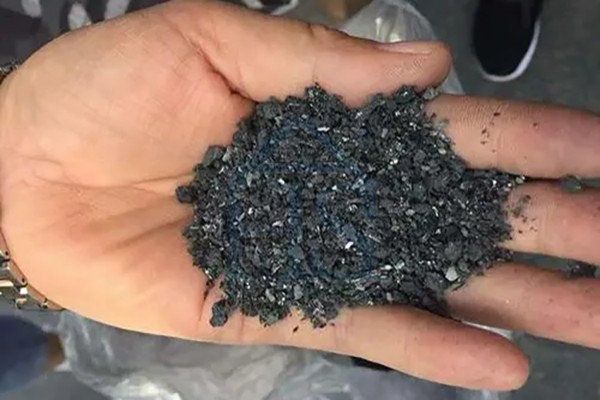
ผงอัลฟ่า-SiC ที่มีความบริสุทธิ์สูง (เนื้อหา SiC ≥99%) ถูกเลือกให้เป็นวัสดุฐาน. การกระจายขนาดอนุภาคได้รับการควบคุมอย่างเข้มงวด — โดยทั่วไปแล้วค่า D50 ในช่วง 10–50 µm — เนื่องจากขนาดอนุภาคส่งผลโดยตรงต่อความพรุน, การซึมผ่าน, และความแข็งแรงของผนังของพื้นผิวสำเร็จรูป.
ขั้นตอน 2 — การทำให้เป็นพลาสติกและการอัดขึ้นรูป
ผง SiC ผสมกับสารยึดเกาะอินทรีย์, สารสร้างรูขุมขน, และพลาสติไซเซอร์, จากนั้นจึงอัดขึ้นรูปด้วยแม่พิมพ์ที่มีความแม่นยำเพื่อสร้างโครงสร้างช่องรังผึ้งที่มีลักษณะเฉพาะ. โดยทั่วไปความหนาแน่นของเซลล์จะอยู่ที่ 200–300 เซลล์ต่อตารางนิ้ว (ซีพีไอ) สำหรับการใช้งาน DPF ในยานยนต์.
ขั้นตอน 3 — การอบแห้งและการเผาผนึก
หลังจากการอัดรีดและการเสียบปลายช่อง (เสียบช่องอื่นเพื่อบังคับไอเสียผ่านผนังที่มีรูพรุน), เนื้อสีเขียวแห้งแล้วเผาที่อุณหภูมิ 2,000–2,200°C ในบรรยากาศควบคุม. ขั้นตอนนี้ทำให้โครงกระดูก SiC หนาแน่นขึ้น, เผาผลาญสารยึดเกาะอินทรีย์ออกไป, และสร้างโครงสร้างรูขุมขนขั้นสุดท้าย.
ขั้นตอน 4 — สารเคลือบตัวเร่งปฏิกิริยา (ไม่จำเป็น)
สำหรับ SCRF (ตัวกรองการลดตัวเร่งปฏิกิริยาแบบเลือกสรร) แอพพลิเคชั่น, สารเคลือบตัวเร่งปฏิกิริยาที่ประกอบด้วยโลหะกลุ่มแพลทินัม (พีจีเอ็ม) หรือออกไซด์ของโลหะพื้นฐานถูกนำไปใช้กับผนังช่องภายใน, แปลงก๊าซ NOₓ ไปพร้อมๆ กับการกรองเขม่า.
SiC กับ. คอร์ดิเอไรต์: การเปรียบเทียบวัสดุพื้นผิว DPF
| คุณสมบัติ | ซิลิคอนคาร์ไบด์ (SiC) | คอร์ดิเอไรต์ |
|---|---|---|
| อุณหภูมิการใช้งานสูงสุด | ~1,400°C ต่อเนื่อง | ~1,200°ซ (อ่อนลงด้านบน) |
| การนำความร้อน | 120–170 วัตต์/เมตร·เค | 1.5–3.0 วัตต์/เมตร·เค |
| ค่าสัมประสิทธิ์การขยายตัวทางความร้อน | 4.0 × 10⁻⁶/°ซ | 1.0–2.0 × 10⁻⁶/°ซ |
| ความแข็งแรงของการโค้งงอ | 300–500 เมกะปาสคาล | 150–200 เมกะปาสคาล |
| ความหนาแน่น | ~3.1 ก./ซม.3 | ~2.1 ก./ซม.³ |
| แอปพลิเคชัน DPF หลัก | รถยนต์นั่งส่วนบุคคล, รถบรรทุกขนาดเล็ก | รถบรรทุกหนัก, SCR เท่านั้น |
| ความอดทนในการฟื้นฟู | ยอดเยี่ยม | ปานกลาง |
| ต้นทุนสัมพัทธ์ | สูงกว่า | ต่ำกว่า |
ไดรเวอร์ตามกฎระเบียบ: เหตุใดความต้องการ SiC DPF จึงเพิ่มขึ้นอย่างรวดเร็ว
การเปลี่ยนแปลงไปสู่มาตรฐานการปล่อยฝุ่นละอองที่เข้มงวดมากขึ้นทั่วโลกเป็นปัจจัยขับเคลื่อนที่ทรงพลังที่สุดเพียงประการเดียวในการนำ SiC DPF มาใช้. กฎระเบียบที่ต่อเนื่องกันแต่ละข้อกำหนดขีดจำกัดที่เข้มงวดมากขึ้นเกี่ยวกับหมายเลขอนุภาค (พี.เอ็น) และมวลอนุภาค (น), ต้องการวัสดุพิมพ์ที่มีประสิทธิภาพสูงกว่า.
มาตรฐานการปล่อยมลพิษที่สำคัญที่ต้องใช้เทคโนโลยี DPF
- ยูโร 6วัน (ยุโรป): ต้องใช้ PN ≤ 6 × 10¹¹ อนุภาค/กม. สำหรับรถยนต์ดีเซลงานเบา — บังคับใช้ DPF ประสิทธิภาพสูงอย่างมีประสิทธิภาพกับรถยนต์ดีเซลทุกคันที่จำหน่ายในยุโรป.
- ประเทศจีนที่หก (จีน): เทียบเท่ากับยูโร 6d โดยตรง; นำไปใช้กับยานพาหนะขนาดเล็กตั้งแต่เดือนกรกฎาคม 2020, และสำหรับรถยนต์ที่ใช้งานหนักตั้งแต่เดือนกรกฎาคม 2021.
- ระดับ EPA ของสหรัฐอเมริกา 3 / แคลิฟอร์เนีย LEV III: มาตรฐาน PM ที่เข้มงวดใช้กับยานพาหนะขนาดเล็กทุกคัน, ผลักดันการใช้ DPF แม้ในตัวกรองอนุภาคน้ำมันเบนซิน (กบข) แอปพลิเคชันที่ SiC กำลังได้รับส่วนแบ่ง.
- บีเอส วี (อินเดีย): ก้าวกระโดดจาก BS IV โดยตรงไปยัง BS VI ใน 2020, สร้างความต้องการอย่างมากในชั่วข้ามคืนสำหรับระบบส่งกำลังดีเซลที่ติดตั้ง DPF ในตลาดยานยนต์ที่ใหญ่ที่สุดแห่งหนึ่งของโลก.
ข้อมูลเชิงลึกของตลาด: ตลาด DPF ทั่วโลกคาดว่าจะเติบโตอย่างมาก 2030 เนื่องจากตลาดเกิดใหม่ใช้มาตรฐานเทียบเท่ากับยูโร 6. ความต้องการของสารตั้งต้น SiC มีความสัมพันธ์โดยตรง โดยทั่วไปรอบการจัดซื้อ SiC DPF จะใช้เวลา 18–36 เดือนตั้งแต่ข้อกำหนดวัตถุดิบไปจนถึงการรวมยานพาหนะ.
การระบุ SiC สำหรับแอปพลิเคชัน DPF: สิ่งที่ผู้ซื้อต้องรู้
สำหรับผู้ผลิตพื้นผิวเซรามิก, เครื่องเคลือบตัวเร่งปฏิกิริยา, และซัพพลายเออร์ยานยนต์ระดับ 1 จัดหาผง SiC สำหรับการผลิต DPF, ข้อมูลจำเพาะของวัสดุไม่ใช่การตัดสินใจเกี่ยวกับสินค้าโภคภัณฑ์. พารามิเตอร์ต่อไปนี้มีความสำคัญ:
ความบริสุทธิ์และองค์ประกอบเฟส
SiC เกรด DPF ควรเป็นเฟสอัลฟา (6โพลีไทป์ H หรือ 4H) โดยมีความบริสุทธิ์ขั้นต่ำ 98.5–99.5% SiC. ปริมาณซิลิคอนอิสระจะต้องถูกทำให้เหลือน้อยที่สุดเนื่องจากมันจะออกซิไดซ์ได้เป็นพิเศษ และอาจรบกวนการเผาผนึกได้. เหล็กและโลหะเจือปนอื่นๆ จะต้องได้รับการควบคุมเพื่อหลีกเลี่ยงกิจกรรมการเร่งปฏิกิริยาที่อาจเปลี่ยนแปลงพฤติกรรมการงอกใหม่.
การกระจายขนาดอนุภาค (พีเอสดี)
PSD ของผงอินพุตจะควบคุมการกระจายขนาดรูพรุนของซับสเตรตที่ถูกเผาโดยตรง, ซึ่งจะควบคุมทั้งประสิทธิภาพการกรองและแรงดันตกคร่อม. ซัพพลายเออร์ต้องให้ข้อมูล D10/D50/D90 ครบถ้วน, ไม่ใช่แค่ค่ามัธยฐานเท่านั้น. บางครั้งการแจกแจงแบบ Bimodal จะถูกระบุเพื่อเพิ่มความหนาแน่นของการอัดตัวของตัวสีเขียวให้เหมาะสมก่อนการเผาผนึก.
สัณฐานวิทยาและพื้นที่ผิว
อนุภาค SiC รูปทรงเกล็ดเลือดเป็นที่ต้องการสำหรับการใช้งาน DPF เนื่องจากมีความหนาแน่นสีเขียวสูงกว่า และสร้างคอเผาผนึกที่แข็งแกร่งกว่าเมื่อเปรียบเทียบกับสัณฐานวิทยาที่เท่ากัน. พื้นที่ผิวจำเพาะ (เดิมพัน) ค่า 1–5 ตร.ม./กรัม เป็นค่าปกติสำหรับผงเกรด DPF.
ความสม่ำเสมอแบบแบทช์ต่อแบทช์
ห่วงโซ่อุปทานของยานยนต์ต้องการความสม่ำเสมอเป็นพิเศษ. ล็อตผง SiC ต้องมีใบรับรองการวิเคราะห์ครบถ้วน (โคเอ) พร้อมการสอบเทียบแบบตรวจสอบย้อนกลับได้, และซัพพลายเออร์ควรสามารถสาธิตการควบคุมกระบวนการทางสถิติได้ (สพีซี) ข้อมูลข้ามชุดการผลิต. ความเบี่ยงเบนในค่าส่วนท้ายของ D90 แม้แต่ 5–10% อาจทำให้เกิดการเปลี่ยนแปลงที่ยอมรับไม่ได้ในแรงดันต้านของวัสดุพิมพ์ตลอดการดำเนินการผลิต.
คำถามที่พบบ่อย
ถาม: เหตุใดจึงใช้ซิลิคอนคาร์ไบด์ใน DPF แทนวัสดุเซรามิกอื่นๆ?
SiC นำเสนอการผสมผสานที่เหมาะสมที่สุดของการนำความร้อน, ความแข็งแรงที่อุณหภูมิสูง, และทนต่อสารเคมีสำหรับการใช้งาน DPF. ค่าการนำความร้อนสูงกว่า Cordierite ประมาณ 50–100 เท่า ช่วยให้เร็วขึ้น, การสร้างใหม่สม่ำเสมอมากขึ้นในขณะที่ลดการไล่ระดับความร้อนที่เป็นอันตราย. ไม่มีวัสดุเซรามิกที่คุ้มต้นทุนอื่นๆ ที่ตรงกับคุณสมบัติรวมกันนี้สำหรับกรณีการใช้งาน DPF ของรถยนต์นั่งส่วนบุคคล.
ถาม: ความแตกต่างระหว่าง alpha-SiC และ beta-SiC สำหรับผง DPF คืออะไร?
อัลฟ่า-SiC (โครงสร้างคริสตัลหกเหลี่ยม, 6โพลีไทป์ H/4H) เป็นรูปแบบที่ต้องการสำหรับการผลิตซับสเตรต DPF เนื่องจากมีความเสถียรทางอุณหพลศาสตร์สูงกว่า 2,000°C และเผาผนึกให้มีความหนาแน่นสูงขึ้น. เบต้า-SiC (ลูกบาศก์, 3ซี โพลีไทป์) มีความเสถียรน้อยกว่าที่อุณหภูมิการเผาผนึกและสามารถเปลี่ยนเฟสระหว่างการประมวลผลได้, ซึ่งสามารถทำให้เกิดข้อบกพร่องทางโครงสร้างจุลภาคได้. โดยทั่วไปข้อกำหนดเฉพาะของผง SiC เกรด DPF จะต้องใช้ alpha-SiC โดยมีเนื้อหา beta-SiC อยู่ด้านล่าง 5%.
ถาม: การฟื้นฟู DPF ทำงานอย่างไร และ SiC เปิดใช้งานได้อย่างไร?
เมื่อเขม่าสะสมอยู่บนผนัง DPF, แรงดันต้านของเครื่องยนต์เพิ่มขึ้น. ที่เกณฑ์ทริกเกอร์, ระบบการจัดการเครื่องยนต์จะเริ่มต้นการสร้างใหม่—ทั้งแบบพาสซีฟ (โดยใช้ความร้อนไอเสียจากการทำงานที่มีภาระสูง) หรือใช้งานอยู่ (การฉีดเชื้อเพลิงหลังการเผาไหม้เพื่อเพิ่มอุณหภูมิไอเสีย). ค่าการนำความร้อนสูงของ SiC ช่วยให้มั่นใจว่าซับสเตรตทั้งหมดมีอุณหภูมิการเผาไหม้เขม่าสูง (~550–650°ซ) อย่างรวดเร็วและสม่ำเสมอ, ป้องกันเหตุการณ์อุณหภูมิสูงเกินเฉพาะที่ซึ่งสามารถแตกหรือละลายพื้นผิวที่ด้อยกว่าได้.
ถาม: SiC DPF สามารถใช้กับเครื่องยนต์เบนซินได้เช่นกัน?
ใช่. ตัวกรองอนุภาคน้ำมันเบนซิน (กบข) สำหรับการฉีดโดยตรงด้วยน้ำมันเบนซิน (จีดีไอ) เครื่องยนต์มีความต้องการมากขึ้นภายใต้กฎระเบียบ Euro 6d และ China VI. SiC GPF เป็นไปตามหลักการออกแบบที่คล้ายคลึงกับ DPF ดีเซล, แม้ว่าอัตราการบรรจุเขม่าที่ต่ำกว่าในเครื่องยนต์ GDI จะทำให้ผนังบางลงและความหนาแน่นของเซลล์ต่ำลงซึ่งมักจะยอมรับได้. เสถียรภาพทางความร้อนของ SiC ยังคงเป็นข้อได้เปรียบที่สำคัญในการใช้งาน GPF, โดยที่อุณหภูมิไอเสียอาจเกินอุณหภูมิที่พบในการทำงานของเครื่องยนต์ดีเซลได้ในช่วงสั้นๆ.
ถาม: ขนาดอนุภาค SiC ใดที่ใช้ในการผลิตซับสเตรต DPF?
โดยทั่วไป ผู้ผลิตซับสเตรต DPF จะใช้ผง SiC ที่มีค่า D50 ในช่วง 10–50 µm สำหรับชุดหลัก, มักจะรวมกับเศษส่วนที่ละเอียดกว่า (D50 ของ 1–5 µm) เพื่อเติมเต็มช่องว่างระหว่างอนุภาคในตัวสีเขียว. สารตั้งต้นที่ถูกเผาที่ได้นั้นมีขนาดรูพรุนเฉลี่ย 10–20 µm ซึ่งใหญ่พอที่จะป้องกันแรงดันตกมากเกินไปในขณะที่มีขนาดเล็กพอที่จะจับอนุภาคเขม่าขนาดต่ำกว่าไมครอนได้อย่างมีประสิทธิภาพ.
ถาม: ฉันจะรับรองซัพพลายเออร์ผง SiC รายใหม่สำหรับการผลิต DPF ได้อย่างไร?
กระบวนการคัดเลือกซัพพลายเออร์ที่มีประสิทธิภาพควรประกอบด้วย: (1) การวิเคราะห์ทางเคมีเต็มรูปแบบด้วย ICP-OES สำหรับโลหะปริมาณน้อย, (2) การวิเคราะห์เฟส XRD ยืนยันปริมาณอัลฟา-SiC และการหาปริมาณเบต้า-SiC, (3) การเลี้ยวเบนของเลเซอร์ PSD ด้วย D10/D50/D90 ตลอดค่าขั้นต่ำ 10 ล็อตการผลิตต่อเนื่อง, (4) พื้นที่ผิว BET และลักษณะทางสัณฐานวิทยาของ SEM, และ (5) การทดลองเผาผนึกนำร่องเพื่อเปรียบเทียบความพรุนของซับสเตรต, มอ (โมดูลัสของการแตกหัก), และการกระจายขนาดรูพรุนเทียบกับซัพพลายเออร์ที่มีคุณสมบัติเหมาะสมในปัจจุบันของคุณ. ร้องขอ IATF 16949 หลักฐานการรับรองสำหรับห่วงโซ่อุปทานระดับยานยนต์.
แหล่งที่มาของผง SiC ที่มีความบริสุทธิ์สูงสำหรับการผลิต DPF
Henan Superior Abrasives (HSA) จัดหา FEPA- และผงซิลิกอนคาร์ไบด์ที่ได้รับการรับรองมาตรฐาน ISO ให้กับผู้ผลิตพื้นผิวเซรามิก, เครื่องเคลือบตัวเร่งปฏิกิริยา, และซัพพลายเออร์ด้านยานยนต์ระดับ 1 ทั่วโลก. SiC เกรด DPF ของเรามอบความบริสุทธิ์, ความสม่ำเสมอของ PSD, และการควบคุมเฟสการผลิตของคุณต้องการ.
อัลฟา-SiC ≥99.0%, พร้อมการรับรองโลหะติดตาม ICP-OES เต็มรูปแบบต่อชุด.
PSD ที่ตรวจสอบโดย SPC พร้อมด้วย D10/D50/D90 CoA ในทุกล็อตการผลิต.
ขนาดอนุภาคที่กำหนดเองมีตั้งแต่ D50 = 1 อืมถึง 50 ไมโครเมตร; มีส่วนผสมแบบไบโมดัลให้เลือก.
เสิร์ฟ 60+ ประเทศที่มีเวลารอคอยสินค้าที่เชื่อถือได้และการสนับสนุนด้านเทคนิคโดยเฉพาะ.