

Groen siliciumcarbide voor het slijpen van gecementeerde hardmetalen gereedschappen: Volledige gids
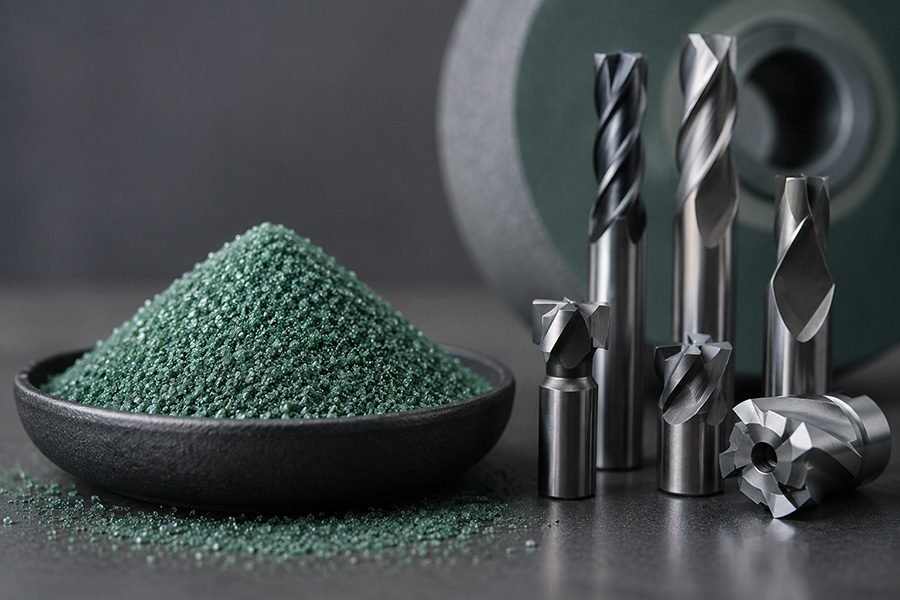
Green silicon carbide outperforms alternative abrasives on cemented carbide grinding due to its 2,480 HV hardness, controlled semi-friable fracture pattern, and purity above 99.0% SiC. This guide covers grit selection, bond system specification, thermal management, and the cost boundary where diamond wheels become preferable over GC for WC-Co tool grinding.
Gesmolten calciumaluminaat in zelfstromende gietstukken voor petrochemische ovens
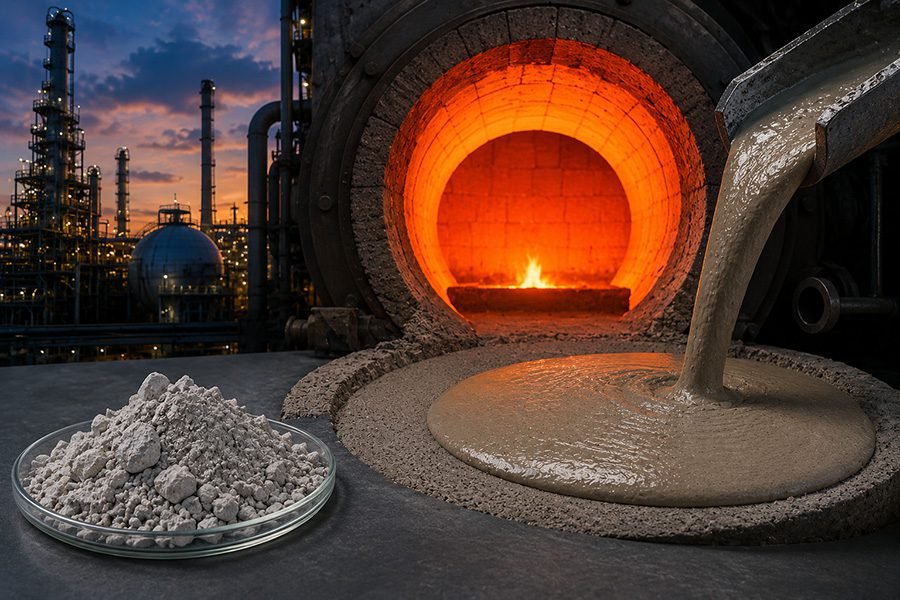
Fused calcium aluminate in self-flowing castables delivers measurably better flow, hot strength, and sulfur resistance than sintered grades in petrochemical furnace linings. This article explains the phase chemistry behind those gains, presents comparative performance data across key ISO test standards, and outlines the specification and sourcing criteria engineers need to qualify the material for critical applications.
Wit gesmolten aluminiumoxide vs. Bruin gesmolten aluminiumoxide voor stralen
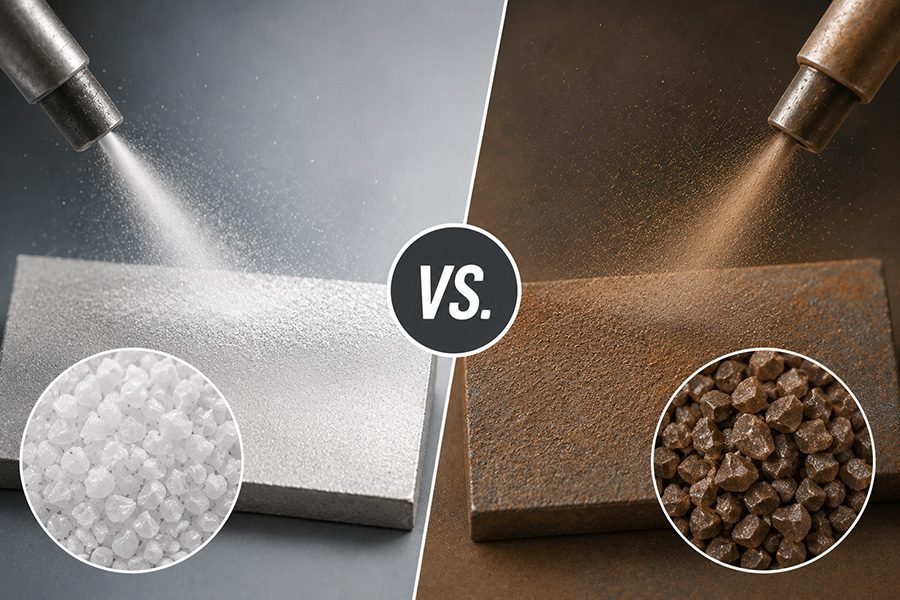
Choosing between white and brown fused alumina for blasting comes down to four variables: substrate chemistry, anchor profile target, recycling economics, and downstream process sensitivity. This guide compares hardness, brosheid, iron content, and cost-per-cycle, with a decision matrix and PO checklist to specify the right grade with confidence.
Gesmolten calciumaluminaat vs. Kalk-aluminiumbriketten in pollepelmetallurgie
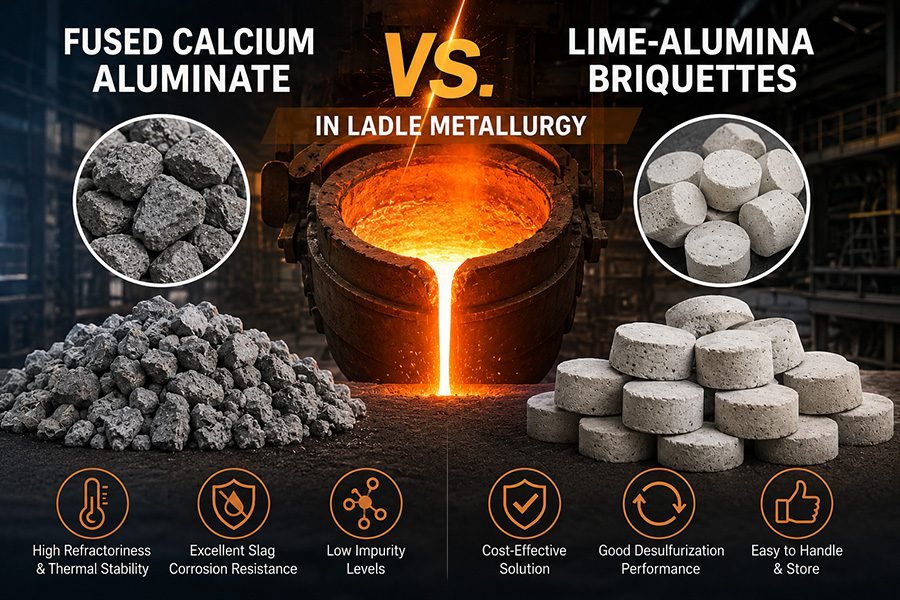
Selecting between fused calcium aluminate and lime-alumina briquettes in ladle metallurgy involves more than unit cost — dissolution kinetics, hydrogen pickup risk, inclusion control, and refractory wear all differ significantly between the two. This technical comparison gives steel process engineers the data needed to justify the right flux choice for their grade and refining route.
Zwart siliciumcarbide als koellichaamvuller: Gegevens over thermische geleidbaarheid
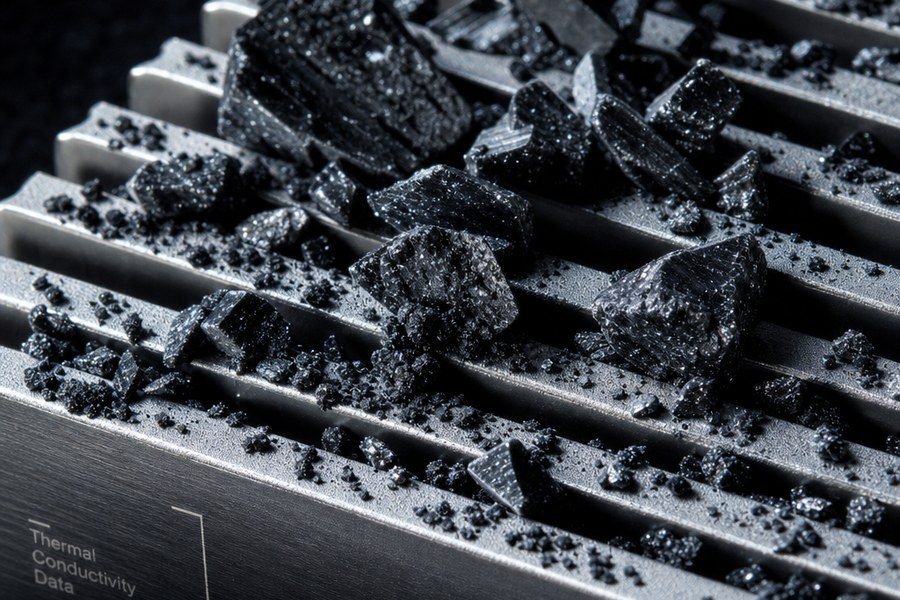
Black silicon carbide delivers intrinsic thermal conductivity of 100–120 W/m·K, making it one of the most cost-effective fillers for thermally conductive compounds. This article presents loading-level data, particle size effects, electrical resistivity trade-offs, and formulation guidance engineers need to specify SiC-filled heat sink materials with confidence.
Groen siliciumcarbide in de achterkant van fotovoltaïsche cellen
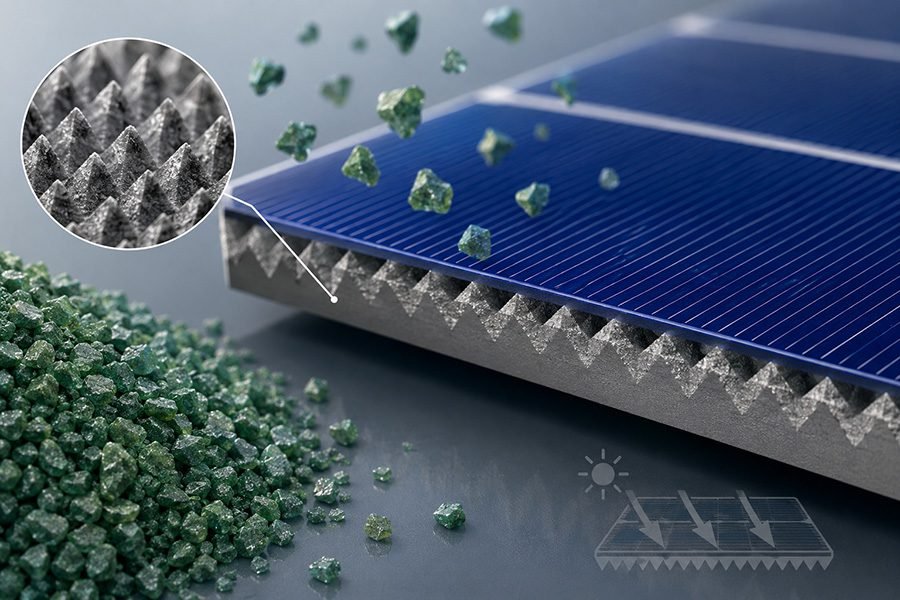
Back-surface texturing of monocrystalline and multicrystalline silicon wafers demands an abrasive capable of precise, uniform micro-pit formation without introducing sub-surface lattice damage that degrades minority carrier lifetime. When the wrong abrasive is used — or when grit distribution is too broad — surface recombination velocity rises, pulling cell efficiency below the 22 % threshold that […]
Houdbaarheid van groen siliciumcarbide en degradatie bij opslag
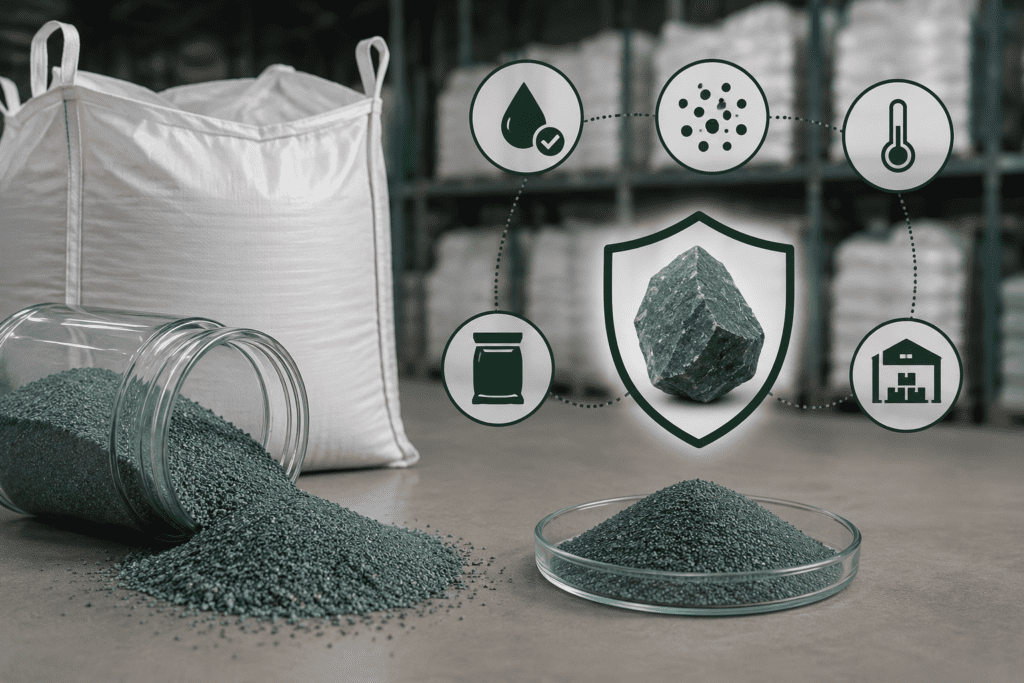
Groen siliciumcarbide wordt onder omgevingsomstandigheden niet chemisch afgebroken, maar oppervlakte-oxidatie, verdichting van zand, en fijne agglomeratie kan de adhesie van de binding en de consistentie van de deeltjesgrootte meetbaar verminderen 90 dagen onder slechte bewaaromstandigheden. Dit artikel presenteert gecontroleerde proefgegevens en praktische protocollen om de naleving van de specificaties gedurende de volledige inventarisatiecyclus te beschermen.
Hoe de kwaliteit van wit gesmolten aluminiumoxide te beoordelen: Belangrijkste specificaties om te controleren op een COA
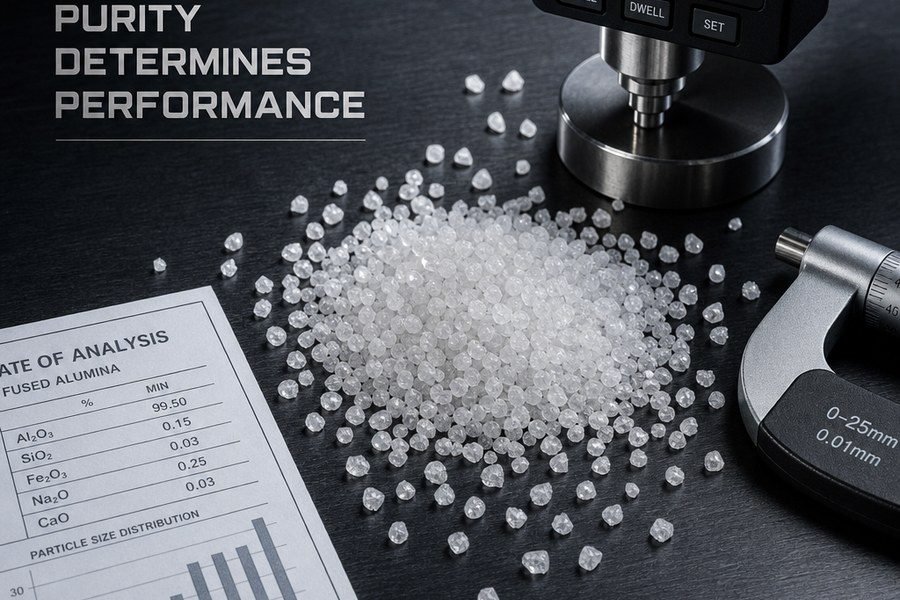
Een onnauwkeurig analysecertificaat voor wit gesmolten aluminiumoxide (WFA) doet meer dan een zending verkeerd voorstellen; het kan catastrofaal falen van de vuurvaste bekleding veroorzaken, inconsistent surface profiles in abrasive blasting, or a 15–20% drop in bonded wheel life. Engineers and procurement specialists who rely solely on a supplier’s bullet-point assurances risk installing media with hidden high-sodium content […]
Groen siliciumcarbide voor het leppen van dieselinjectoren
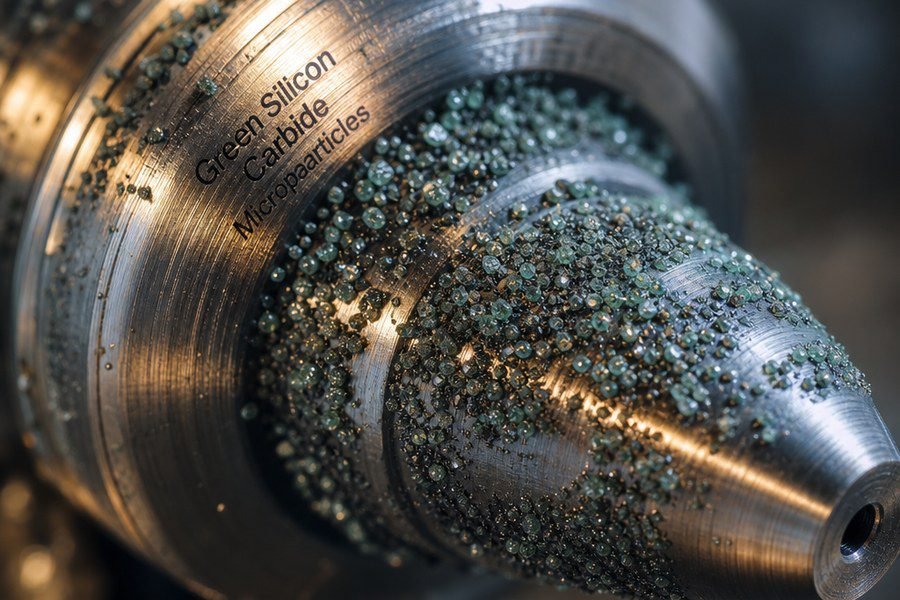
Het leppen van dieselbrandstofinjectoren vereist vlakheid op micronniveau en oppervlakte-integriteit. Een enkele afwijkende batch kan de teruglekkage van de motor met meer dan doen toenemen 15%, triggering warranty claims and costly tear-downs. Specifying the correct abrasive grain chemistry and morphology directly determines whether a lapping process achieves Ra 0.02 µm flatness or generates subsurface micro-fractures that lead to premature hydraulic […]