

Hoe wordt de zuiverheid van zwart siliciumcarbide gemeten – en waarom is dat belangrijk??
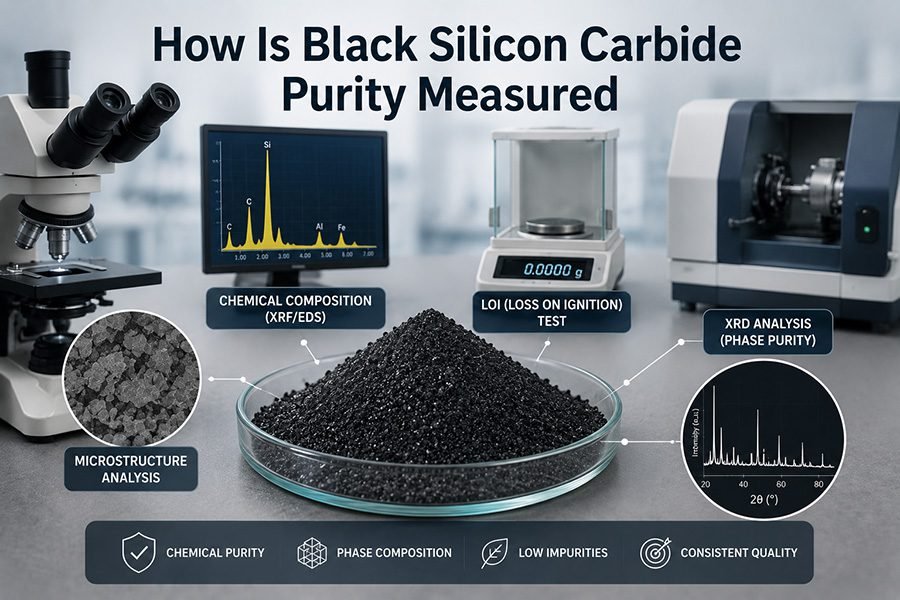
Black silicon carbide purity is not a single figure — it is a profile of SiC content, Gratis koolstof, gratis silicium, and metallic oxide levels that together determine grinding performance, refractory service life, and compliance with incoming inspection limits. This guide explains the test methods engineers rely on, how impurity type drives specific failure modes, and what to verify before approving a supplier lot.
Groen siliciumcarbide micropoeder in thermische interfacematerialen
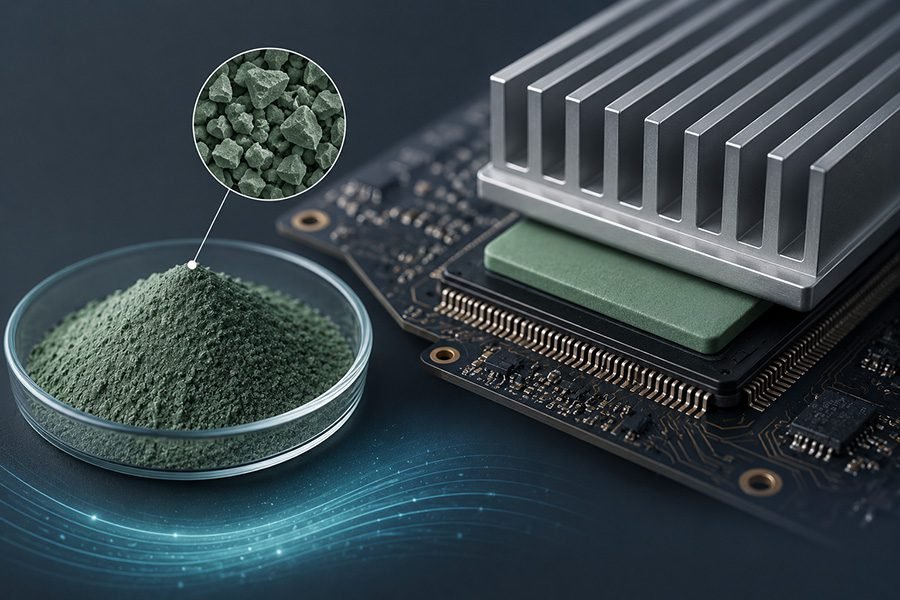
Green silicon carbide micro powder delivers bulk thermal conductivity of 120–150 W/m·K, making it a cost-effective filler for high-performance thermal interface materials in power electronics. This guide covers particle size selection, surface treatment protocols, loading strategies, and full procurement specifications for TIM-grade GSiC.
Bruin gesmolten aluminiumoxide voor plasmaspuitcoatingtoepassingen

Brown fused alumina for plasma spray coating applications delivers the phase purity, particle size consistency, and thermal stability required for hard, well-adhered ceramic coatings. This guide covers feedstock specifications, morphology selection, substrate preparation, and supplier qualification criteria for engineers and procurement teams sourcing BFA for industrial and high-specification spray operations.
Wit gesmolten aluminiumoxide vs. Aluminiumoxide in tabelvorm voor vuurvaste materialen met ultrahoge temperaturen
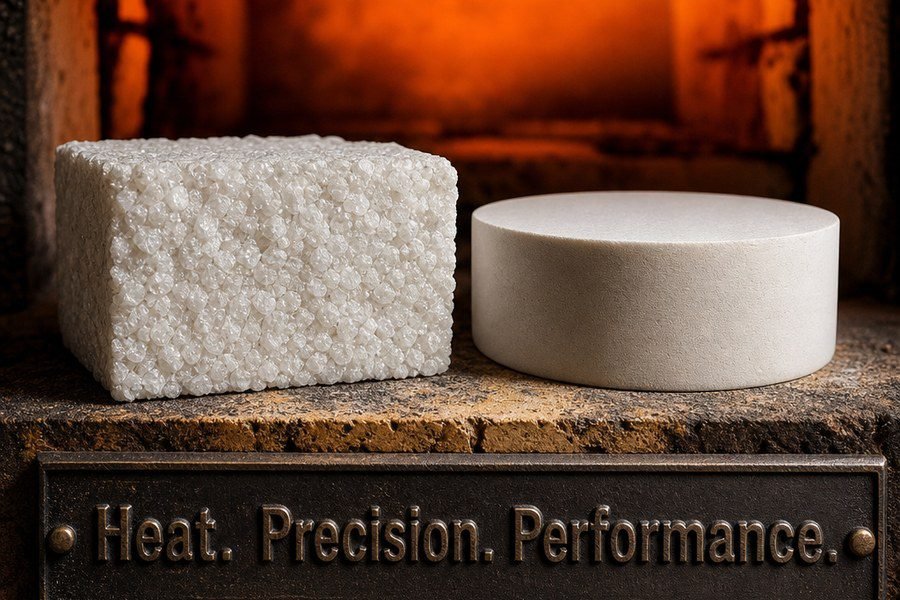
Choosing between white fused alumina and tabular alumina for ultra-high-temperature refractories is a structural decision, not just a cost comparison. This article examines the microstructural, thermisch, and chemical properties that determine which material survives sustained service above 1600 °C — and where each grade delivers the better return on refractory investment.
Gesmolten calciumaluminaat voor het verminderen van MnS-insluitsels in staal
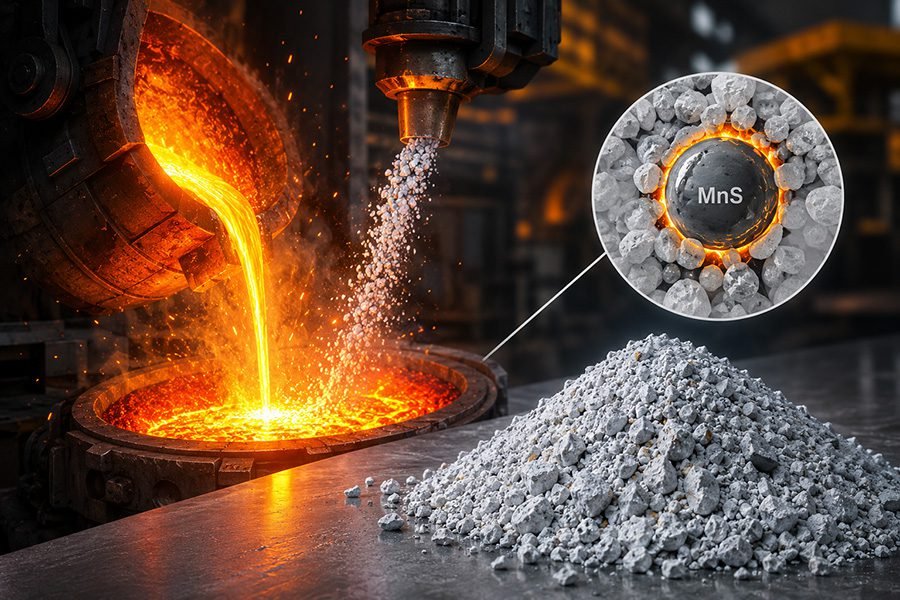
Elongated MnS stringers degrade transverse toughness and fatigue performance in structural and engineering steels. This article explains the thermodynamic mechanism by which fused calcium aluminate modifies sulfide morphology, defines the critical compositional specifications to evaluate when sourcing, and outlines process integration and inclusion assessment methods for consistent clean-steel results.
Wit gesmolten aluminiumoxide voor het slijpen van hydraulische cilinderboringen
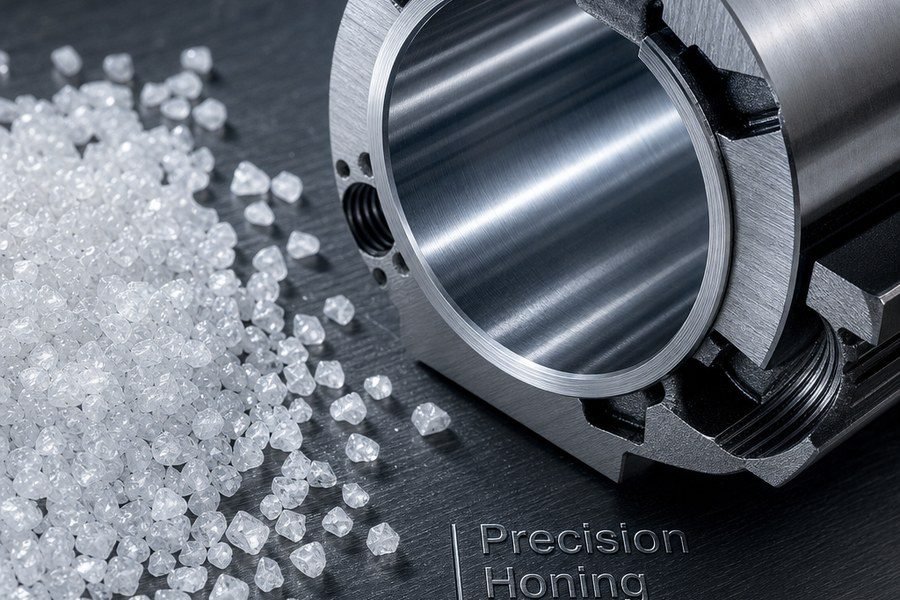
White fused alumina with ≥99.5% Al₂O₃ purity and controlled grain morphology is the reference abrasive for plateau honing hydraulic cylinder bores to Ra 0.2–0.8 µm tolerances required by high-pressure seal systems. This guide covers grit selection by honing stage, critical material specifications, and pressure-class-specific finish targets to help engineers and procurement teams specify correctly.
Hoe de deeltjesvorm de snijefficiëntie van groen siliciumcarbide beïnvloedt
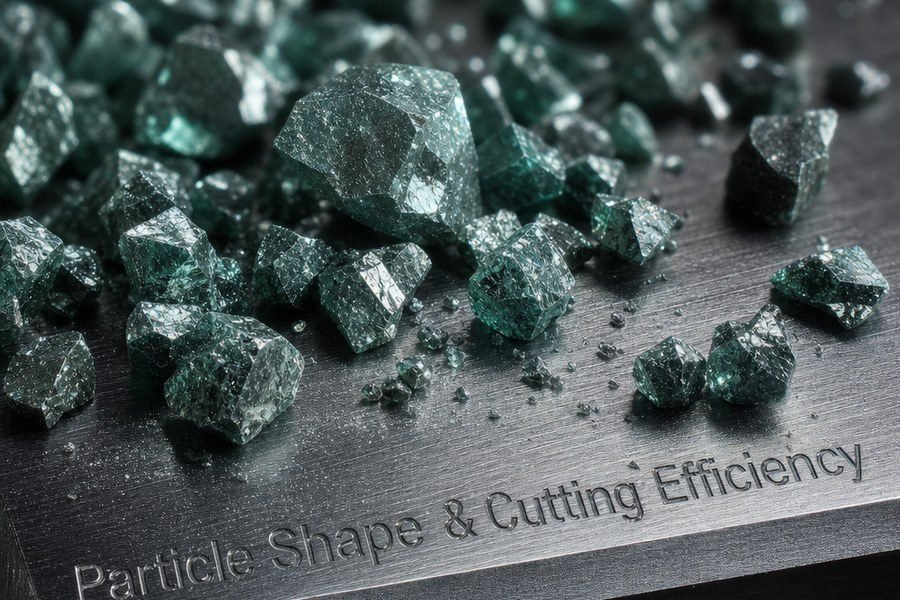
Particle shape is one of the most consequential yet under-specified variables in green silicon carbide performance. This article explains how angular, semi-blocky, and elongated grain morphologies drive different outcomes in material removal rate, surface finish, and wheel life — with measurement standards and procurement criteria engineers can apply directly.
Zwarte siliciumcarbide macro vs. Micro: Hoe de deeltjesgrootte de Ra-waarde van de oppervlakteafwerking beïnvloedt
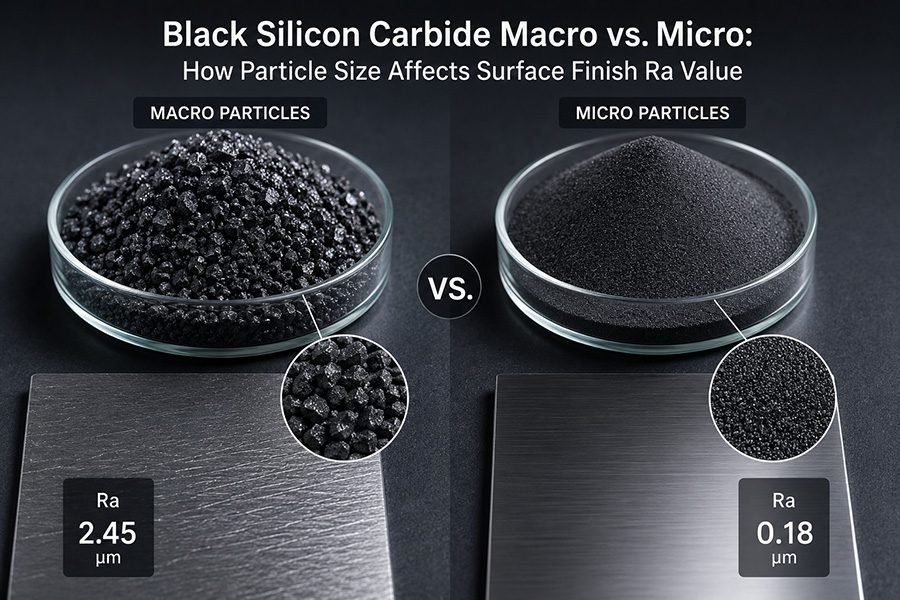
Choosing the wrong particle size range for black silicon carbide processing can leave surface finish Ra values 8 tot 15 times above specification. This guide maps FEPA macro and micro grit grades to achievable Ra ranges, explains the physical mechanisms behind each transition, and gives engineers a practical framework for selecting the right grade from first principles.
Boriumcarbide in krasbestendige coatings voor optica en displays
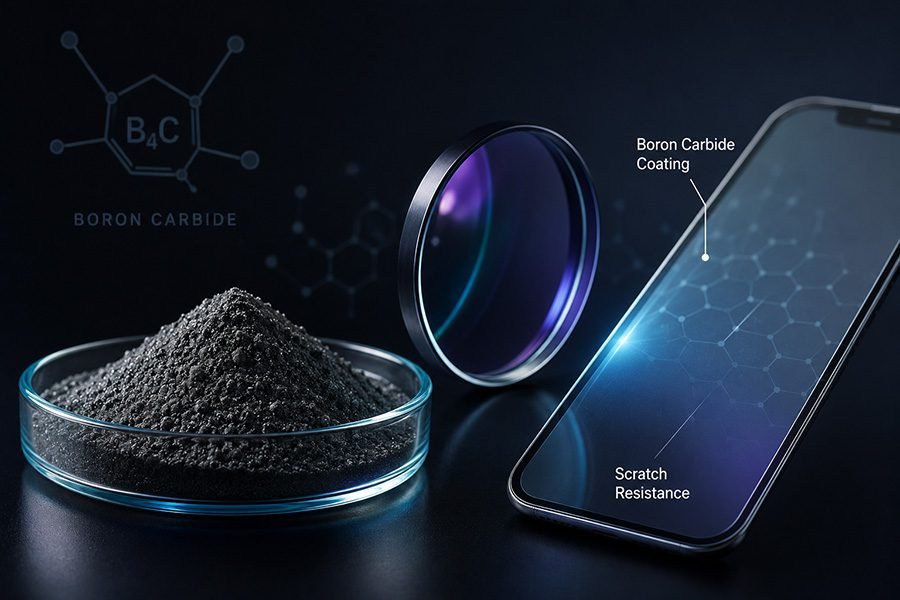
Boron carbide delivers Vickers hardness of 2,900–3,580 HV combined with 85–92% visible transmittance, making it a technically superior choice over DLC and TiN for scratch-resistant coatings on optical elements and display glass. This article covers deposition methods, adhesion interlayer design, powder purity specifications, and the standardised test protocols that govern acceptance in optical and display supply chains.