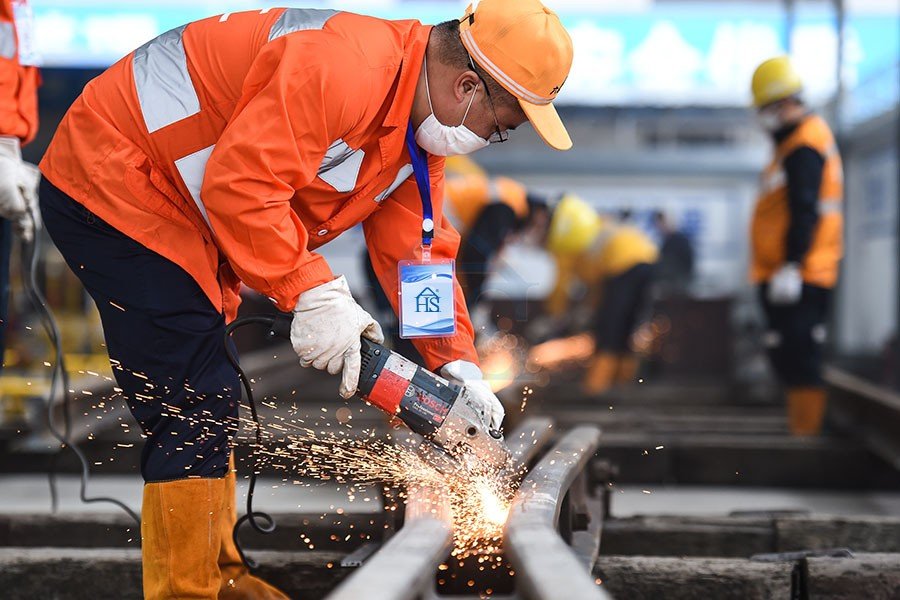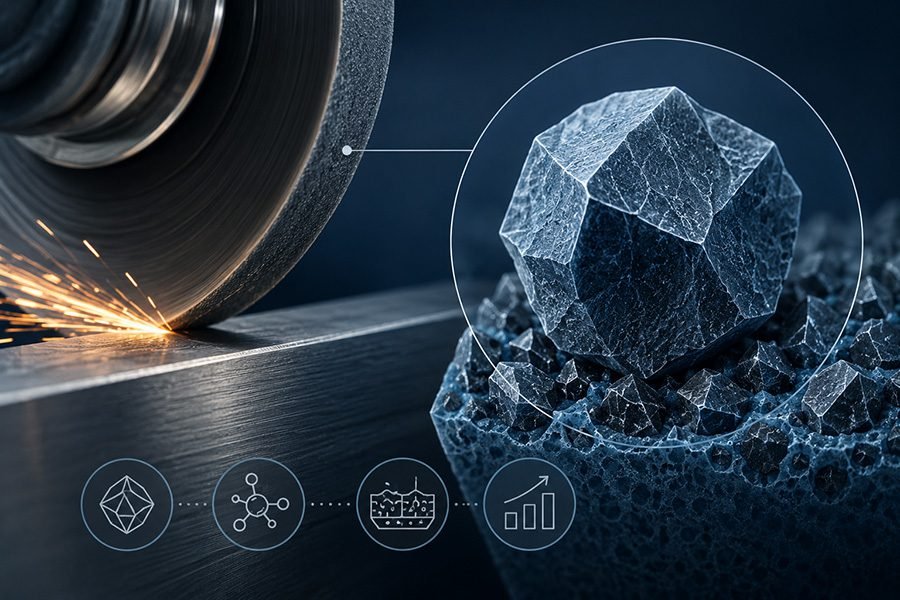
精密製造施設に入ると、砥粒が静かに動いているのがわかります。, 必要不可欠な仕事. タービンブレードを成形します, 光学レンズを研磨します, 切削工具を研ぎます, 他のプロセスでは到達できない表面を仕上げます. どこにでもあるにもかかわらず、, abrasive grain is often selected by habit rather than by informed choice — and that habit costs manufacturers in tool life, surface quality, and productivity.
This article takes a practical look at what abrasive grain is, 使い方, and what separates a well-chosen grain from a poor one. Whether you are specifying a grinding wheel, a coated abrasive belt, or a loose lapping compound, understanding the fundamentals will help you make better decisions at every stage of your process.
What Is Abrasive Grain?
Abrasive grain refers to hard, angular particles used to cut, 粉砕する, lap, hone, or polish a workpiece surface. The grain is the active cutting element in virtually every abrasive product — bonded into a wheel, coated onto a belt or disc, or suspended in a slurry.
The key physical characteristics that define an abrasive grain are:
- 硬度 — The grain must be harder than the material it is cutting. Hardness is measured on the Mohs scale or, more precisely, by Vickers or Knoop microhardness testing.
- 靭性 — A grain that fractures too easily dulls quickly. One that is too tough stays sharp but may generate excessive heat. 制御された方法での理想的な結晶粒破壊, 新鮮な刃先を露出させる.
- 破砕性 — Related to toughness, 破砕性は、荷重下で穀物がどの程度容易に自己研磨するかを表します。. 精密研削には破砕性の高い粒子が好ましい; 低破砕性の穀物は大量の素材の除去に適しています.
- 粒形 — Blocky grains cut aggressively with high stock removal; 板状または破片状の粒子により、より細かい仕上がりが得られます.
- 粒度分布 — Tight size control (FEPA の定義による, ANSI, またはJIS規格) 一貫した表面仕上げと予測可能なホイール性能を保証します.
主な砥粒の種類
現代の砥粒は大きく 2 つのグループに分類されます: 従来の研磨剤と超研磨剤.
従来の研磨材 include aluminum oxide (電融アルミナ), 炭化ケイ素, とその亜種. 工業用研削の大部分をカバーします。, 爆破, ラッピング, および研磨用途.
炭化ケイ素 (SiC) is one of the most important conventional abrasive grains. モース硬度は約 9.5 ヌープ硬度は約 2,500kg/mm², 酸化アルミニウムよりも硬く、より積極的に切断します。. 2つの一次グレードが工業的に使用されています:
- ブラックシリコンカーバイド — slightly lower purity (≥98% SiC), tougher, used for grinding cast iron, 非鉄金属, ゴム, 結石, および耐火材料.
- グリーン炭化ケイ素 — higher purity (≥99% SiC), よりもろい, preferred for precision grinding of cemented carbides, セラミック, ガラス, and hard nonferrous alloys.
You can read a detailed comparison in ブラックシリコンカーバイド vs. グリーンシリコンカーバイド.
酸化アルミニウム grains — including brown fused alumina, 白色溶融アルミナ, and pink alumina — are tougher but less hard than SiC. They excel on steel and ferrous alloys where their controlled fracture behavior extends wheel life.
超越的 — diamond and cubic boron nitride (CBN) — occupy a higher performance tier. Their cost is substantially greater, but in high-volume, 許容範囲が狭いアプリケーションは経済的に有利な場合が多い.
砥粒サイズの指定方法
粒度 (グリットサイズとも呼ばれます) 粒子の寸法を定義し、プロセスで達成できる表面仕上げを直接制御します. 2 つの主要な評価システムが広く使用されています:
- FEPA Fシリーズ — used for bonded abrasives (砥石, ホーニングストーン). F12からの範囲 (粗い) F1200へ (とても良い).
- FEPA Pシリーズ — used for coated abrasives (サンドペーパー, 研磨ベルト). P12 ~ P2500 の範囲.
2 つのシステムは、同じ公称粒度に対して異なる統計的定義を使用します。, したがって、F80 と P80 は互換性がありません. 理解 the difference between coated abrasives and bonded abrasives is essential before specifying grain size.
原則として:
- 粗い砥粒 (F12–F60) are used for heavy stock removal and rough shaping.
- Medium grits (F80–F220) handle general-purpose grinding and finishing.
- Fine and very fine grits (F240–F1200 and beyond, into micron powder ranges) are used for precision lapping, 研磨, および表面仕上げ.
Selecting the Right Abrasive Grain for Your Application
No single grain type outperforms all others in every situation. The selection process should consider:
- ワーク材質 — Hard, 脆性材料 (セラミック, ガラス, carbide) favor the sharp, friable cutting action of green SiC or diamond. Tough steels benefit from aluminum oxide’s controlled fracture.
- Required surface finish — Tighter finish tolerances push you toward finer grains and higher-purity materials with tighter size distributions.
- Process type — Bonded abrasive processes (砥石) behave differently from coated processes (ベルト, ディスク) and free-abrasive processes (ラッピング, 研磨). The grain’s interaction with the bond system matters as much as the grain itself.
- Thermal sensitivity — SiC conducts heat well, which can benefit temperature-sensitive workpieces. でも, its reactivity with iron at high temperatures makes it unsuitable for grinding most steels.
- Cost and availability — Conventional grains offer excellent value for most applications. Superabrasives are justified only when the economics — tool life, cycle time, scrap rate — clearly support the premium.
For a structured decision framework, 見る How to Choose the Right Abrasive.
Grain Quality: What to Look For
Not all abrasive grain sold under the same grade designation is equal. 品質の違いはサプライチェーンのあらゆるレベルに存在します. サプライヤーまたは多くの材料を評価する場合, 次のパラメータが重要です:
- 化学純度 — Higher SiC content means fewer soft inclusions that dull cutting edges prematurely.
- 粒子形状の一貫性 — A well-controlled process produces grains with consistent angularity. 不規則な粒子や過度に丸みを帯びた粒子はパフォーマンスが低下します.
- サイズ分布の厳しさ — Out-of-spec particles — oversized grains in particular — cause deep scratches and inconsistent finishes.
- 磁気コンテンツ — Iron contamination from production equipment must be minimized, 特に電子の場合, 光学的, および半導体アプリケーション.
- 遊離カーボンとシリカ — Excess free carbon or silica indicates process problems and degrades abrasive performance.
信頼できるメーカーはロットごとに認証データを提供します, ふるい分析を含む, 化学組成, および磁気コンテンツ. 炭化ケイ素研磨材の特性を理解する will help you interpret this data correctly.
接着砥粒 vs.. コーティング製品
The same grain behaves differently depending on how it is held and presented to the workpiece.
の bonded abrasive products (砥石, セグメント, honing sticks), grain is locked in a vitrified, レジノイド, or metal bond matrix. As grains dull, bond fracture releases them and exposes fresh grains — a self-sharpening mechanism. The grain’s toughness and the bond’s strength must be balanced for the wheel to dress properly rather than loading or glazing.
の coated abrasive products (サンドペーパー, 研磨ベルト, ディスク), grain is adhered in a single layer to a flexible backing. 結晶方位, コーティング密度 (オープン対. クローズドコート), とボンドシステムはすべてカットレートと仕上がりに影響します. SiC コーティングされた製品は、非金属基材 (石材) 上で優れた効果を発揮します。, ガラス, セラミック, とプラスチック.
の 遊離研磨プロセス (ラッピング, 研磨, ワイヤーソーイング), キャリア液に懸濁した穀物が切断を行います. ここでは粒度分布と形態が特に重要です, 粒子のばらつきを補償する結合システムがないため.
よくある質問
Q1: 砥粒と砥粒の違いは何ですか?
これらの用語はしばしば同じ意味で使用されます, しかし技術的には “粒” refers to particles in the macro grit range (typically F12–F220per FEPA), その間 “粉” また “マイクロパウダー” refers to finer particles (F230and finer, down to sub-micron sizes). Macro grains are used in grinding wheels and blasting; micro powders are used for lapping, 研磨, and precision finishing.
第2四半期: Is silicon carbide abrasive grain suitable for grinding steel?
一般的, no. SiC reacts chemically with iron at the elevated temperatures generated during grinding, causing rapid grain dulling. Aluminum oxide is the preferred grain for most steel grinding applications. SiCは, しかし, widely used for grinding cast iron, where the graphite in the microstructure acts as a lubricant.
Q3: How does grain size affect surface finish?
Coarser grains remove material faster but leave a rougher surface. Finer grains produce smoother surfaces but cut more slowly. For a given workpiece material, you typically start with a coarser grit for stock removal, then step through progressively finer grits to reach the required finish.
Q4: What does “friability” mean in practical terms?
もろい穀物が切断負荷で割れて新鮮な穀物が露出する, 鋭いエッジ. これは切削抵抗を低く抑え、熱の蓄積を防ぐため、精密研削に最適です。. 砕けにくい穀物はその形状をより長く保持します, これは積極的な削り取りに適していますが、木目が割れずに鈍くなった場合はグレージングが発生する可能性があります。.
Q5: 高品質の砥粒を購入しているかどうかを確認するにはどうすればよいですか?
ふるい分析を対象としたロット固有の試験証明書をリクエストする (サイズ分布), 化学組成, および磁気コンテンツ. これらを関連する FEPA と比較します。, ANSI, or JIS standard. A reputable supplier should provide this documentation routinely and be able to trace material back to its production batch.
河南高級研磨材について (HSA)
Henan Superior Abrasives is a China-based manufacturer and exporter of silicon carbide, 電融アルミナ, and boron carbide abrasive materials. Founded with a focus on quality consistency and international standards compliance, HSA supplies macro grits, micro powders, and specialty grades to customers in abrasives manufacturing, 耐火物, セラミック, エレクトロニクス, and metallurgy across more than 30 国.
HSA’s products are produced in compliance with FEPA, ANSI, and JIS standards and are supported by full lot traceability and third-party quality certifications. The company’s technical team can assist with grain selection, size specification, and application troubleshooting.
Learn more at www.silicon-carbides.com or visit the HSA factory page.
Ready to Source High-Quality Abrasive Grain?
If you are evaluating silicon carbide or other abrasive grains for your manufacturing process, HSA offers competitive pricing, consistent quality, and responsive technical support.
Request a quote また contact our team to discuss your specifications.