

Wie wird die Reinheit von schwarzem Siliziumkarbid gemessen – und warum ist sie wichtig??
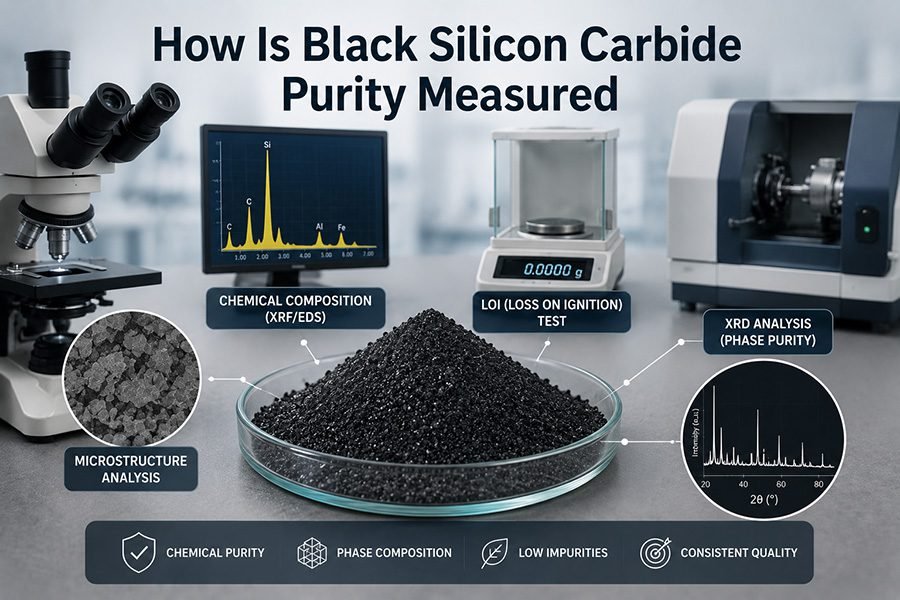
Die Reinheit von schwarzem Siliziumkarbid ist keine einzelne Zahl, sondern ein Profil des SiC-Gehalts, freier Kohlenstoff, freies Silizium, und Metalloxidgehalte, die zusammen die Schleifleistung bestimmen, Lebensdauer des Feuerfestmaterials, und Einhaltung der Eingangskontrollgrenzen. In diesem Leitfaden werden die Testmethoden erläutert, auf die sich Ingenieure verlassen, wie die Art der Verunreinigung bestimmte Fehlermodi beeinflusst, und was vor der Genehmigung einer Lieferantencharge überprüft werden muss.
Grünes Siliziumkarbid-Mikropulver in thermischen Schnittstellenmaterialien
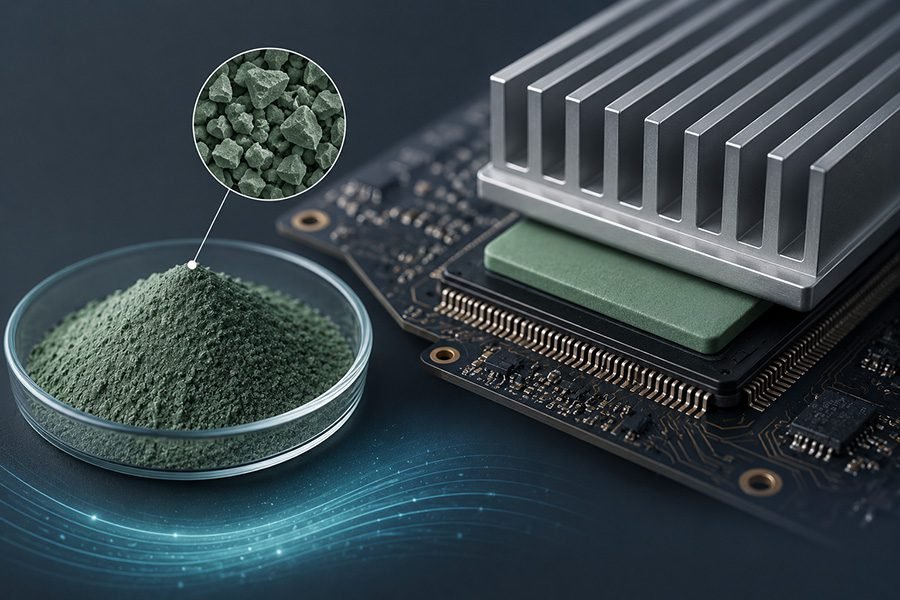
Grünes Siliziumkarbid-Mikropulver bietet eine Gesamtwärmeleitfähigkeit von 120–150 W/m·K, Dies macht es zu einem kostengünstigen Füllstoff für leistungsstarke Wärmeleitmaterialien in der Leistungselektronik. Dieser Leitfaden behandelt die Auswahl der Partikelgröße, Oberflächenbehandlungsprotokolle, Ladestrategien, und vollständige Beschaffungsspezifikationen für TIM-GSiC.
Braunes geschmolzenes Aluminiumoxid für Plasmaspritzbeschichtungsanwendungen

Braunes geschmolzenes Aluminiumoxid für Plasmaspritzbeschichtungsanwendungen sorgt für Phasenreinheit, Konsistenz der Partikelgröße, und thermische Stabilität erforderlich für harte, gut haftende Keramikbeschichtungen. Dieser Leitfaden behandelt Rohstoffspezifikationen, Auswahl der Morphologie, Untergrundvorbereitung, und Lieferantenqualifikationskriterien für Ingenieure und Beschaffungsteams, die BFA für industrielle und hochspezialisierte Spritzvorgänge beschaffen.
Weißes geschmolzenes Aluminiumoxid vs. Tafelförmiges Aluminiumoxid für Ultrahochtemperatur-Feuerfestmaterialien
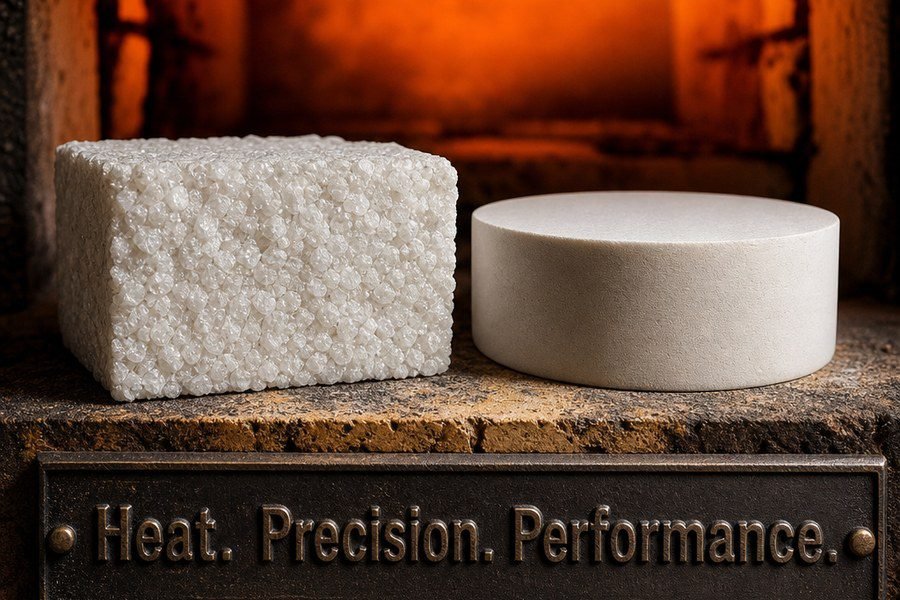
Die Wahl zwischen weißem Edelkorund und Tafeltonerde für Ultrahochtemperatur-Feuerfestmaterialien ist eine strukturelle Entscheidung, nicht nur ein Kostenvergleich. Dieser Artikel untersucht die Mikrostruktur, Thermal-, und chemische Eigenschaften, die bestimmen, welches Material den oben genannten dauerhaften Einsatz übersteht 1600 °C – und wo jede Sorte die bessere Rendite auf die Feuerfestinvestition liefert.
Geschmolzenes Calciumaluminat zur Reduzierung von MnS-Einschlüssen in Stahl
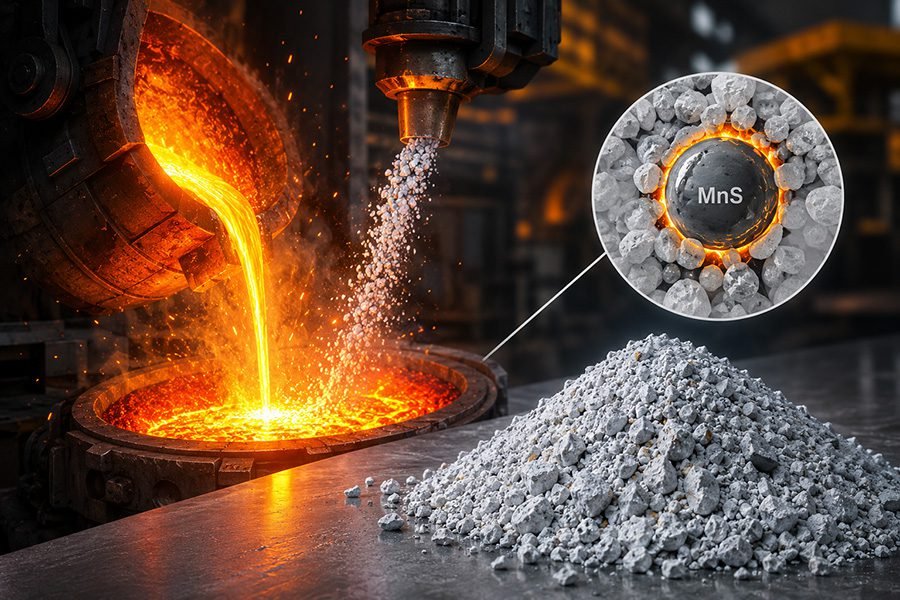
Verlängerte MnS-Stringer verschlechtern die Querzähigkeit und das Ermüdungsverhalten von Bau- und Konstruktionsstählen. In diesem Artikel wird der thermodynamische Mechanismus erläutert, durch den geschmolzenes Calciumaluminat die Sulfidmorphologie verändert, definiert die kritischen Zusammensetzungsspezifikationen, die bei der Beschaffung zu bewerten sind, und beschreibt Prozessintegrations- und Inklusionsbewertungsmethoden für konsistente Clean-Steel-Ergebnisse.
Weißes geschmolzenes Aluminiumoxid zum Honen von Hydraulikzylinderbohrungen
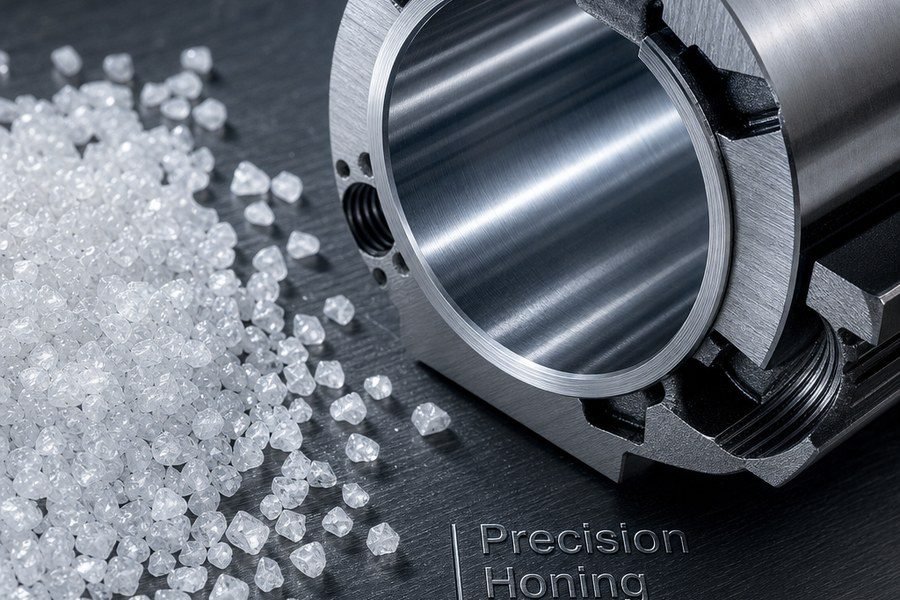
Weißes Edelkorund mit ≥99,5 % Al₂O₃-Reinheit und kontrollierter Kornmorphologie ist das Referenzschleifmittel für das Plateauhonen von Hydraulikzylinderbohrungen auf Ra 0,2–0,8 µm-Toleranzen, die für Hochdruckdichtungssysteme erforderlich sind. Dieser Leitfaden behandelt die Auswahl der Körnung nach Honstufe, kritische Materialspezifikationen, und druckklassenspezifische Endziele, um Ingenieuren und Beschaffungsteams bei der korrekten Spezifikation zu helfen.
Wie sich die Partikelform auf die Schneidleistung von grünem Siliziumkarbid auswirkt
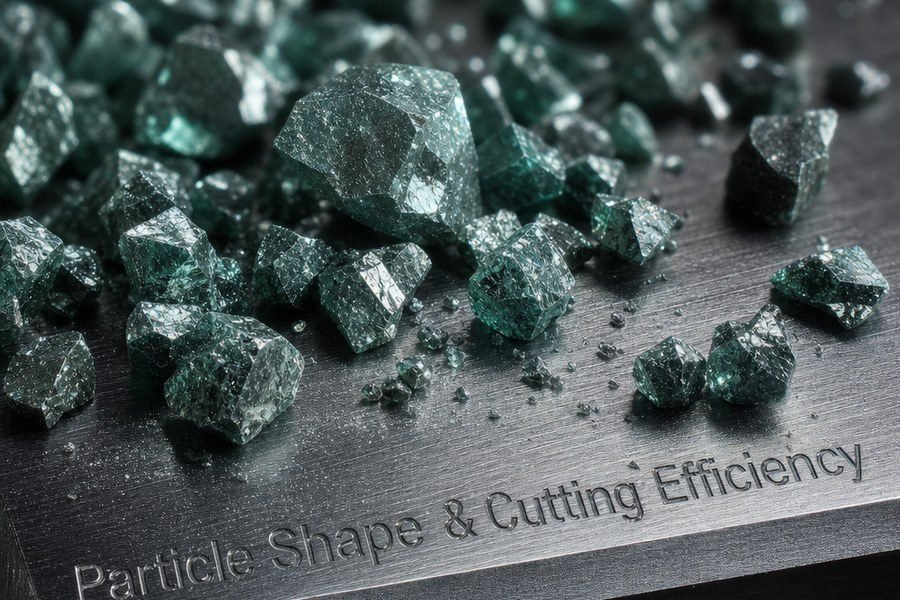
Die Partikelform ist eine der folgenreichsten, aber noch nicht ausreichend spezifizierten Variablen für die Leistung von grünem Siliziumkarbid. Dieser Artikel erklärt, wie eckig, halbblockig, und längliche Kornmorphologien führen zu unterschiedlichen Ergebnissen bei der Materialabtragsrate, Oberflächenbeschaffenheit, und Radlebensdauer – mit Messstandards und Beschaffungskriterien, die Ingenieure direkt anwenden können.
Schwarzes Siliziumkarbid-Makro vs. Mikro: Wie sich die Partikelgröße auf den Ra-Wert der Oberflächenbeschaffenheit auswirkt
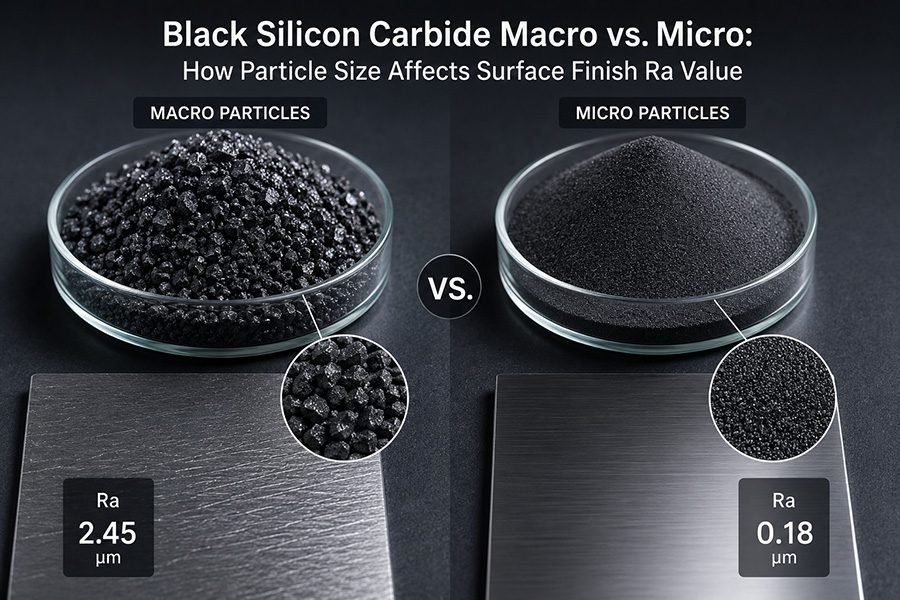
Choosing the wrong particle size range for black silicon carbide processing can leave surface finish Ra values 8 zu 15 times above specification. This guide maps FEPA macro and micro grit grades to achievable Ra ranges, explains the physical mechanisms behind each transition, and gives engineers a practical framework for selecting the right grade from first principles.
Borcarbid in kratzfesten Beschichtungen für Optiken und Displays
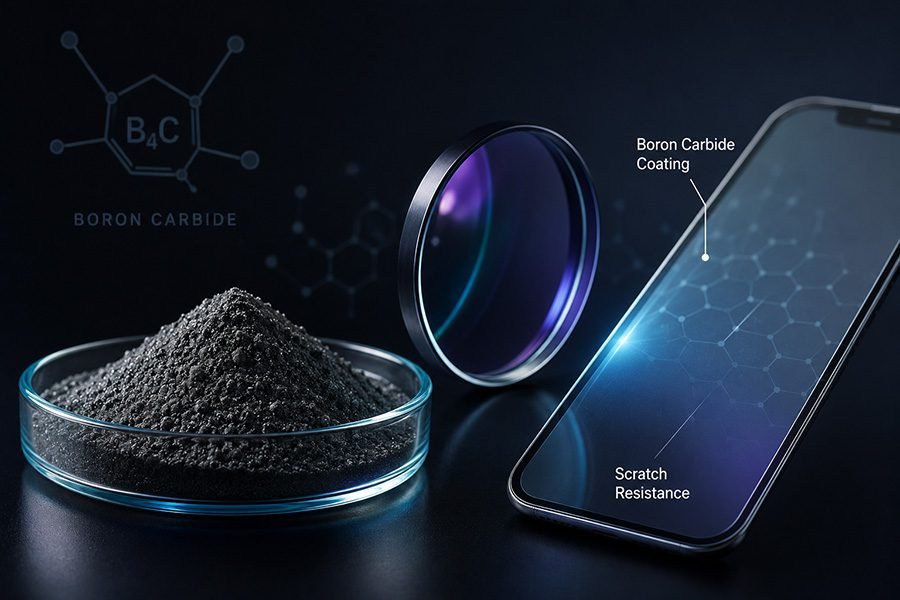
Boron carbide delivers Vickers hardness of 2,900–3,580 HV combined with 85–92% visible transmittance, making it a technically superior choice over DLC and TiN for scratch-resistant coatings on optical elements and display glass. This article covers deposition methods, adhesion interlayer design, powder purity specifications, and the standardised test protocols that govern acceptance in optical and display supply chains.