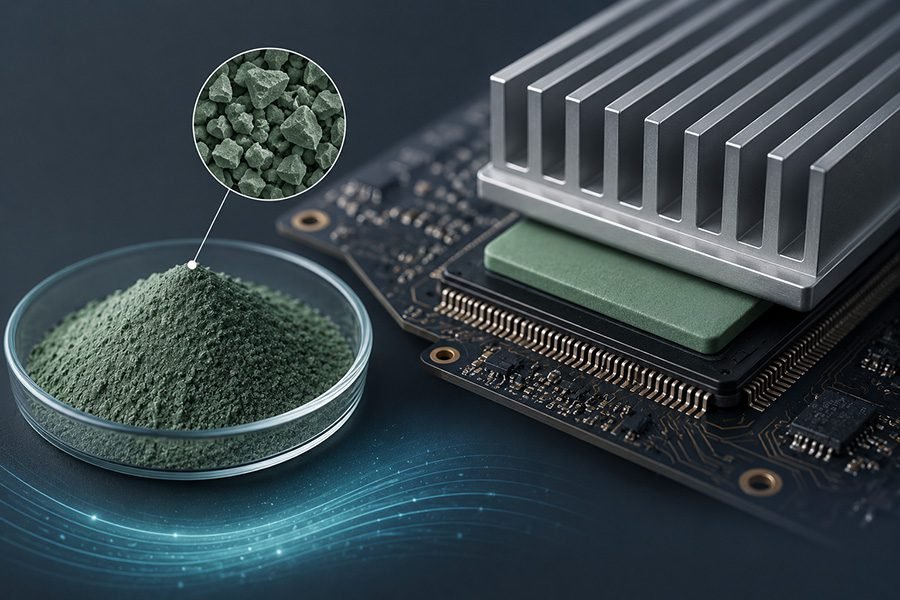
عندما ترتفع درجة حرارة وحدة الطاقة عند واجهة التوصيل بالقالب, نادرًا ما يكون وضع الفشل هو اللحام نفسه — فهو كومة المقاومة الحرارية تحته. مواد الواجهة الحرارية (تيمز) مليئة بجزيئات منخفضة الجودة أو سيئة التصنيف تقدم حدود تشتت الفونون التي تؤدي إلى تضخيم درجات حرارة الوصلات بمقدار 8-15 درجة مئوية, تسريع الهجرة الكهربائية وتقليل متوسط الوقت بين حالات الفشل بأمر من حيث الحجم. اختيار الحشو المناسب ليس قرارًا جماليًا; إنه قرار هندسي يعتمد على الموثوقية وله عواقب مباشرة على التكلفة على نطاق واسع.
لماذا يتفوق كربيد السيليكون الأخضر على حشوات TIM التقليدية
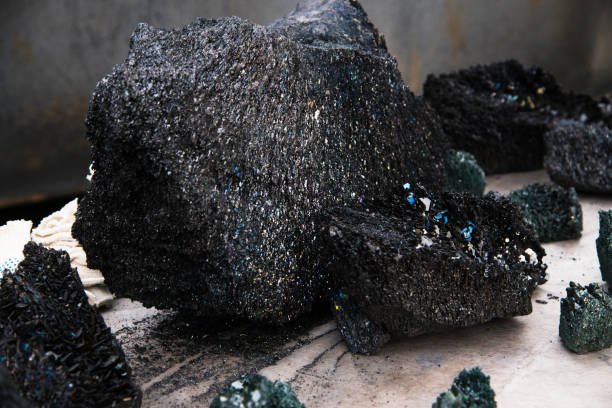
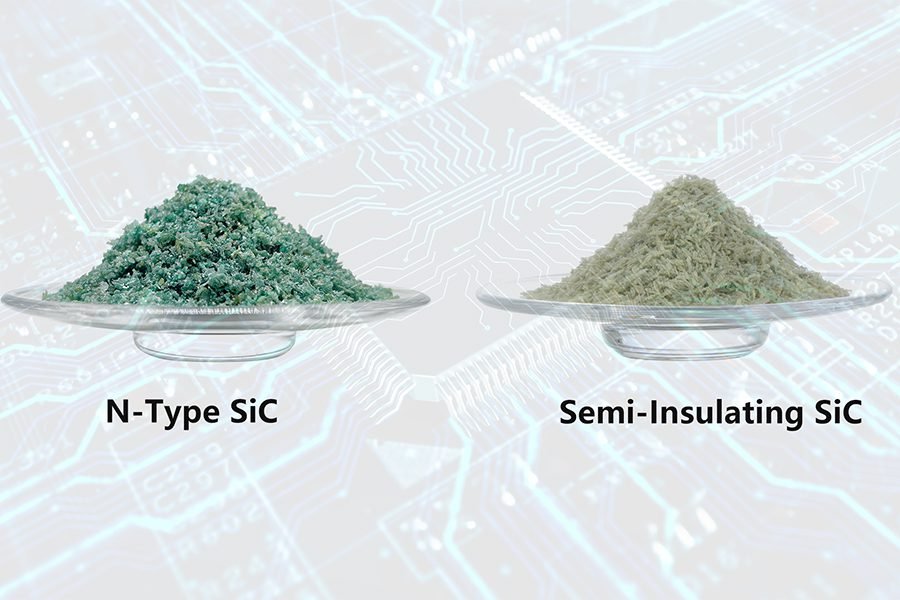
تعتمد معظم TIMs التجارية على الألومينا, أكسيد الزنك, أو نيتريد الألومنيوم كمواد مالئة موصلة للحرارة. كل يحمل مقايضات في التكلفة, التوافق, أو الموصلية السقف. كربيد السيليكون الأخضر (جي سي سي) مسحوق دقيق تحتل مستوى أداء متميز: الموصلية الحرارية بالجملة 120-150 واط/م·ك (مقابل 20-30 واط/م · كلفن للألومينا), الموصلية الكهربائية قريبة من الصفر في شكلها السلبي, وصلابة موس 9.5 يقاوم تشوه الجسيمات تحت دورة الضغط.
النقاء البلوري لـ GSiC - عادةً ≥99.0% SiC مع مستويات شوائب النيتروجين والبورون أقل 200 جزء في المليون - يحد من تشتت عيوب الشبكة التي قد تؤدي إلى تدهور النقل الحراري على مستوى الحبوب. فهم عملية تصنيع كربيد السيليكون يوضح سبب المواد ذات الدرجة الخضراء, تم تصنيعه بنقاء أعلى من SiC الأسود, يسلم باستمرار فونون متفوق يعني مسارات حرة في مصفوفات حشو كثيفة.
توزيع حجم الجسيمات: غالبًا ما يتجاهل المهندسون المتغيرون المواصفات
إن التوصيل الحراري في مركب بوليمر مملوء ليس دالة خطية لتحميل الحشو. ذلك يعتمد بشكل حاسم على توزيع حجم الجسيمات (PSD), لأن PSD متعدد الوسائط يسمح للجزيئات الصغيرة بالتجمع في الفراغات بين الفراغات الأكبر, رفع جزء حجم الحشو الفعال دون زيادة اللزوجة بشكل متناسب. بالنسبة لـ TIMs المملوءة بـ GSiC, مزيج ثنائي النسق يجمع بين D50 من 10-15 ميكرومتر مع مجموعة ثانوية عند 1-3 ميكرومتر يحقق باستمرار كثافات التعبئة أعلاه 68% - عتبة تصبح فيها شبكات الترشيح لنقل الفونون مستمرة.
مساحيق دقيقة أحادية الشكل عند D50 ≥ 5 تعمل الميكرومتر على زيادة مساحة السطح إلى أقصى حد مع إنشاء معاجين عالية اللزوجة يصعب الاستغناء عنها عند سماكة خط الربط (50-150 ميكرومتر) مطلوب في تغليف إلكترونيات الطاقة. بالعكس, المساحيق الخشنة فقط فوق D50 30 ميكرومتر يقدم عدم تطابق خشونة السطح في واجهة الركيزة. تحديد نسبة D10/D90 ضيقة - ويفضل D90/D10 ≥ 5 بالنسبة للجزء الأساسي - لا يقل أهمية عن تحديد القطر المتوسط نفسه.
مقارنة الأداء: GSiC مقابل حشوات TIM الشائعة
يقارن الجدول أدناه معلمات المواد الأساسية للحشوات المستخدمة في تركيبات TIM عالية الأداء. تمثل القيم خصائص المواد السائبة; الموصلية المركبة تعتمد على جزء التحميل, مصفوفة, ومقاومة الواجهة.
| مادة الحشو | الموصلية الحرارية السائبة (ث / م · ك) | المقاومة الكهربائية (أوه · سم) | صلابة موس | نطاق D50 النموذجي (ميكرومتر) |
|---|---|---|---|---|
| كربيد السيليكون الأخضر | 120-150 | >10⁴ (يتأكسد السطح) | 9.5 | 1-45 |
| نيتريد الألومنيوم (آل ن) | 140-180 | >10¹³ | 7 | 1-30 |
| الألومينا (Al₂O₃) | 20-35 | >10¹⁴ | 9 | 0.3-50 |
| أكسيد الزنك (أكسيد الزنك) | 25-30 | عامل (أشباه الموصلات) | 4.5 | 0.1-5 |
| نيتريد البورون (hBN) | 60-300 (متباين الخواص) | >10¹³ | 2 (الطائرة القاعدية) | 2-20 |
يقع سقف التوصيلية لـ GSiC تحت AlN بكميات كبيرة, ولكن بتكلفة تعادل الكيلوغرام الواحد, عادةً ما توفر GSiC أداءً حراريًا للألومينا يتراوح بين 2 إلى 3 مرات بجزء صغير من سعر AlN. ال كثافة كربيد السيليكون (3.21 ز / سم³) مهم أيضًا لتطبيقات الطيران والمركبات الكهربائية الحساسة للوزن, حيث يعد تقليل كتلة TIM دون التضحية بالموصلية عائقًا حقيقيًا للتصميم.
متطلبات المعالجة السطحية لتوافق مصفوفة البوليمر
تحمل جزيئات GSiC غير المعالجة طبقة سطحية أصلية من SiO₂ — يبلغ سمكها عادةً 2-5 نانومتر — تعمل على تحسين العزل الكهربائي ولكنها تخلق عدم تطابق قطبي/غير قطبي مع مصفوفات السيليكون والإيبوكسي. بدون علاج وكيل اقتران, الالتصاق في واجهة مصفوفة الجسيمات ضعيف, مما يؤدي إلى التصفيح تحت التدوير الحراري (-40 درجة مئوية إلى 150 درجة مئوية, جيديك JESD22-A104) وزيادة مقاسة في المقاومة الحرارية البينية.
عوامل اقتران السيلان - على وجه التحديد أمينوبروبيل تريثوكسيسيلان (مناسب) أو جلاسيدوكسي بروبيل تريميثوكسيسيلان (جي بي تي ام اس) - يتم تطبيقه بنسبة 0.5-1.5٪ بالوزن بالنسبة إلى كتلة الحشو مما يؤدي إلى تحسينات قابلة للقياس في كل من قوة الالتصاق والتوصيل الحراري المركب. تمت معالجة مركبات GSiC في 60 أظهر التحميل٪ الحجمي في مصفوفات السيليكون قيم موصلية كبيرة تبلغ 4.5-6.0 واط/م · كلفن, مقابل 2.8-3.5 واط/م · كلفن للمكافئات غير المعالجة عند نفس التحميل.
قائمة مراجعة المواصفات المهمة لمشتريات GSiC من فئة TIM
يجب على المهندسين الذين يصدرون مواصفات الشراء لمسحوق GSiC الصغير المخصص لإنتاج TIM أن يطلبوا وثائق حول المعلمات التالية من أي مورد:
- النقاء الكيميائي: محتوى كربيد السيليكون ≥99.0%; السيليكون الحر .10.1%; الكربون الحر .30.3%; مجموع الشوائب المعدنية (الحديد, آل, كاليفورنيا) ≥500 جزء في المليون بواسطة ICP-OES
- توزيع حجم الجسيمات: د10, D50, قيم D90 لكل ISO 13320 (حيود الليزر); الحد الأقصى للجزء الكبير الحجم فوق D90 + 20% يجب أن يكون .10.1%
- مورفولوجيا: تأكيد SEM للجزيئات شبه الزاويّة إلى الزاويّة; تجنب الأشكال المهيمنة على الصفائح الدموية والتي تزيد من تباين الخواص في طبقات TIM الموزعة
- كيمياء السطح: مساحة سطح الرهان (م²/جم) ومحتوى أكسيد السطح; حدد ما إذا كانت عملية السيلان المسبق مطلوبة أو تم توفيرها دون معالجة للاقتران الداخلي
- الاتساق من الكثير إلى الكثير: معامل PSD للاختلاف ≥5% عبر دفعات الإنتاج; ضروري لخطوط التوزيع الآلية حيث يجب أن تظل اللزوجة في حدود ±10% من الهدف
- محتوى الرطوبة: .10.1٪ بالوزن عند التسليم; تتسبب الرطوبة الزائدة في الإفراغ أثناء معالجة TIM وتؤدي إلى تدهور أداء العزل الكهربائي على المدى الطويل. سليم ظروف تخزين كربيد السيليكون يجب الحفاظ عليها من خلال سلسلة التوريد.
صياغة استراتيجيات التحميل وأهداف التوصيل الحراري
تحقيق TIM مركب مع الموصلية السائبة أعلاه 3 يتطلب W/m·K تجاوز أجزاء حجم الحشو 50 المجلد٪ - وهو المستوى الذي يتطلب إدارة انسيابية دقيقة للحفاظ على قابلية الطباعة أو التوزيع. يمزج ثنائي النسق GSiC (10– 15 ميكرومتر ابتدائي, 1-3 ميكرومتر ثانوي عند 70:30 نسبة الوزن) السماح للتركيبات بالوصول إلى 58-62 حجمًا٪ من التحميل مع لزوجة أقل 50 Pa·s بمعدل قص قدره 10 ق⁻¹, وهو متوافق مع طباعة الاستنسل ومعدات توزيع الإبرة.
بالنسبة إلى TIMs المتغيرة الطور وملء الفجوات حيث يلزم الامتثال عند الضغط المنخفض, عادةً ما يتم تحديد الحد الأقصى لعمليات تحميل GSiC بنسبة 40-50% للحفاظ على المرونة الميكانيكية. في هذه الصيغ, GSiC معالج سطحيًا مع PSD أضيق (D90/D10 ≥ 3) يُفضل لأنه يقلل من مخاطر التكتل أثناء الخلط ويحسن تجانس سمك خط الربط. المصممين الذين يعملون مع الطور بيتا مقابل كربيد السيليكون الطور ألفا يجب أن نلاحظ أن معظم المساحيق الصغيرة من فئة TIM هي في الغالب مرحلة ألفا (6أنواع متعددة H أو 4H), والتي تظهر تباينًا أعلى قليلاً على المستوى البلوري ولكنها تؤدي أداءً مشابهًا في المصفوفات المركبة الخواص.
الأسئلة المتداولة
س: ما هو حجم الجسيمات من مسحوق كربيد السيليكون الأخضر الصغير الأفضل لمواد الواجهة الحرارية?
أ: توزيع ثنائي النسق يجمع بين D50 من 10-15 ميكرومتر مع جزء ثانوي عند 1-3 ميكرومتر (المخلوطة في حوالي 70:30 بالوزن) هو الأمثل لمعظم تطبيقات TIM. يحقق هذا المزيج كثافات التعبئة أعلاه 68 المجلد٪ مع الحفاظ على اللزوجة القابلة للاستغناء عنها أدناه 50 باس في 10 s⁻¹ معدل القص. مساحيق أحادية الوسائط أقل من D50 5 ميكرومتر تنتج لزوجة مفرطة; المساحيق الخشنة فقط فوق D50 30 ميكرومتر يقلل من جودة التلامس السطحي في واجهة الركيزة.
س: هل كربيد السيليكون الأخضر موصل للكهرباء - هل سيؤدي إلى حدوث قصور في مكونات الدائرة الكهربائية في TIM؟?
أ: يتمتع كربيد السيليكون السائب بمقاومة كهربائية في نطاق 10²–10⁴ Ω·cm, وهو أشباه الموصلات. لكن, يقوم المسحوق الصغير SiC الأخضر بتطوير طبقة سطحية خاملة من SiO₂ (2– سماكة 5 نانومتر) أثناء التصنيع والتخزين, رفع المقاومة الفعالة ل >10⁴ أوم·سم على شكل مسحوق. في مصفوفة من السيليكون أو الإيبوكسي عند تحميل بنسبة 50-60%, تتجاوز مقاومة الحجم المركب عادةً 10⁸ Ω·cm, وهو مقبول لمعظم تطبيقات تغليف إلكترونيات الطاقة. يجب على المحددات التي تتطلب عزلًا أعلى تقييم معالجات ما بعد أكسدة السطح أو المزج مع AlN.
س: ما هو مستوى نقاء SiC الأخضر المطلوب لتطبيقات TIM, وكيف يتم التحقق منها?
أ: يجب أن يفي كربيد السيليكون الأخضر بدرجة TIM بمحتوى SiC بنسبة ≥99.0% مع السيليكون الحر ≥0.1%, الكربون الحر .30.3%, ومجموع الشوائب المعدنية (الحديد, آل, كاليفورنيا) ≥500 جزء في المليون. ينبغي إجراء التحقق بواسطة ICP-OES (قياس طيف الانبعاث البصري للبلازما المقترنة حثيًا) وفقًا لطريقة تم التحقق من صحتها ويمكن إرجاعها إلى مواد مرجعية معتمدة. مضان الأشعة السينية (XRF) مقبول للفحص على مستوى الإنتاج ولكن لا ينبغي أن يحل محل ICP-OES في مجموعات التأهيل, كحساسية XRF للمعادن النزرة أدناه 100 جزء في المليون غير كافٍ لتطبيقات الإلكترونيات عالية الموثوقية.
س: كيف يمكن مقارنة SiC الأخضر بنتريد الألومنيوم كمادة حشو TIM من حيث التكلفة والأداء?
أ: نيتريد الألومنيوم (آل ن) لديه سقف أعلى التوصيل الحراري (140-180 واط/م·ك مقابل. 120-150 واط/م·ك لـ GSiC) وعزل كهربائي فائق (المقاومة >10¹³ أوم·سم). لكن, عادةً ما يكون سعر AlN أعلى بمقدار 4-8 مرات للكيلوغرام الواحد من GSiC ذي الحجم المكافئ للجسيمات والنقاء, وهو حساس للتحلل المائي في البيئات الرطبة, تتطلب مراقبة أكثر صرامة للرطوبة أثناء المعالجة. بالنسبة إلى TIMs المركبة حيث تكون الموصلية السائبة المستهدفة هي 3-6 واط/م·ك, يحقق GSiC أداءً مكافئًا للتطبيق بتكلفة صياغة أقل بكثير, مما يجعلها الحشو المفضل حيث يتم استيفاء متطلبات العزل الكهربائي عن طريق اختيار المصفوفة.
س: ما هي عوامل اقتران السيلاني الموصى بها لتحسين التصاق GSiC في مصفوفات TIM السيليكونية?
أ: أمينوبروبيلترييثوكسيسيلان (مناسب) و جلاسيدوكسي بروبيل تريميثوكسيسيلان (جي بي تي ام اس) هي الخيارات الأكثر التحقق من صحتها على نطاق واسع. المعالجة بنسبة 0.5-1.5% بالوزن نسبة إلى كتلة GSiC, يتم تطبيقه في عملية جافة أو في مرحلة المحلول عند 80-120 درجة مئوية, ينتج رابطة تساهمية Si-O-Si بين طبقة الأكسيد الأصلي للجسيم ومجموعة رأس السيلاني. في 60 المجلد٪ GSiC / مركبات السيليكون, تظهر العينات المعالجة باستمرار موصلية مجمعة تبلغ 4.5-6.0 واط/م·ك مقابل 2.8-3.5 واط/م·ك للمعادلات غير المعالجة, جنبا إلى جنب مع تحسين الاحتفاظ بالأداء الحراري بعد 1,000 الدورات الحرارية (-40 درجة مئوية إلى 150 درجة مئوية, جيديك JESD22-A104).
حول مزيلات خنان المتفوقة (HSA)
خنان متفوقة مزيلات (HSA) هي شركة توريد عالمية مقرها الصين للمواد الخزفية الكاشطة والمتقدمة عالية الأداء للتطبيقات الصناعية في جميع أنحاء العالم. تشتمل مجموعة منتجاتنا الأساسية على كربيد السيليكون الأسود, كربيد السيليكون الأخضر, كربيد السيليكون الصف الإلكتروني (SiC), الألومينا البيضاء المنصهرة, الألومينا البني المنصهر, كربيد البورون, ألومينات الكالسيوم المنصهرة, والمواد الكاشطة SG.
خدمة العملاء في 30+ بلدان, توفر HSA مواد موثوقة للمواد الكاشطة, الحراريات, سيراميك تقني, تطبيقات أشباه الموصلات, تلميع دقيق, السفع الرملي, علم المعادن, ومواد بناء عالية الأداء.
احصل على عرض أسعار أو عينة مجانية
تبحث عن مورد موثوق به للمواد السيراميكية المتقدمة والكاشطة المتميزة? اتصل بفريقنا الفني اليوم - وسنرد عليك في غضون ذلك 24 ساعات ويمكن ترتيب عينات مجانية للمشاريع المؤهلة.
- 📧 البريد الإلكتروني: sales@superior-abrasives.com
- 💬 ال WhatsApp: +86-186-3863-8803